




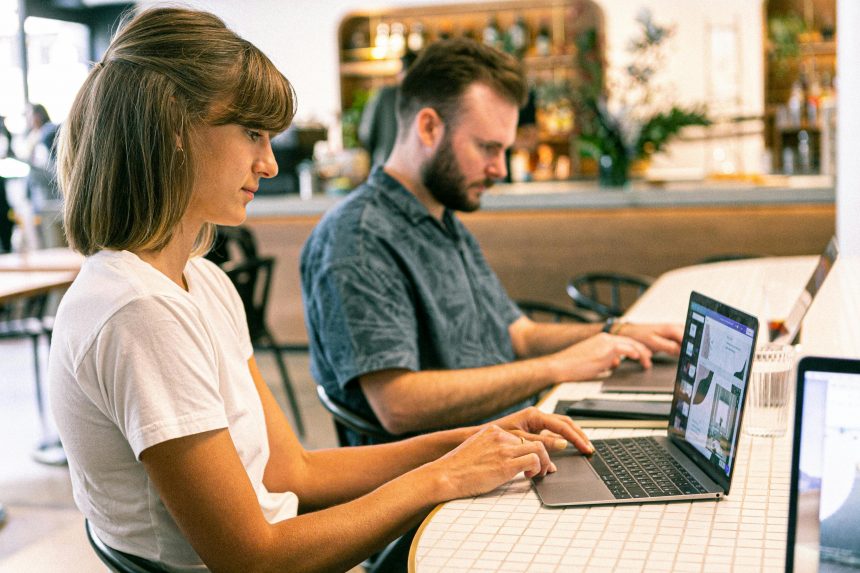
A decade is a short span in historical terms, yet in modern life it can fundamentally reshape how people think, work, and interact. Advances in technology, shifts in social norms, and changes in economic structures have quietly introduced habits that now feel routine — even inevitable. Many of these behaviors were rare, impractical, or culturally unfamiliar just ten years ago. Together, they reveal how rapidly everyday life has been reengineered.
Living by Algorithmic Recommendations
Ten years ago, people searched, compared, and decided largely on their own. Today, algorithms actively shape daily choices. From what people watch and listen to, to what they buy, read, and even eat, recommendation systems now operate continuously in the background.
Streaming platforms suggest entertainment, apps recommend restaurants, and social feeds curate information streams personalized to individual behavior. This habit of deferring choice to algorithms has become normalized, subtly altering decision-making and reducing the role of conscious exploration.
Working Without a Fixed Workplace
Remote and hybrid work existed a decade ago, but it was the exception rather than the norm. Today, working without a fixed office is a widespread habit across industries. People structure their days around laptops, cloud-based tools, and virtual meetings, often blending personal and professional time in ways previously uncommon.
This shift has changed daily routines, from how mornings begin to how social lives are organized. Work has become something people do, not somewhere they go, redefining boundaries that once felt stable.
Documenting Life for a Continuous Audience
The habit of constantly documenting everyday experiences for public or semi-public viewing is distinctly modern. While social media existed ten years ago, the expectation to share daily moments — meals, workouts, commutes, thoughts — has intensified.
Life is increasingly lived with an imagined audience in mind. This has normalized behaviors such as photographing ordinary activities, narrating personal routines, and measuring experiences by their shareability rather than their intrinsic value.
Managing Identity Across Multiple Digital Selves
A decade ago, most people maintained a single online presence, if any. Today, managing multiple digital identities has become habitual. Professional profiles, private messaging accounts, public social feeds, and anonymous platforms all coexist, each requiring different tones and behaviors.
This constant identity switching is now an unconscious skill. People instinctively adjust language, presentation, and even values depending on the platform, reflecting a fragmented but socially accepted version of selfhood.
Treating Mental Optimization as a Daily Task
Ten years ago, mental health was often discussed only in clinical or crisis contexts. Today, everyday mental optimization has become a routine habit. People track sleep, monitor stress, practice mindfulness, and consume content focused on productivity, emotional regulation, and self-improvement.
This shift reflects both increased awareness and increased pressure. The mind is now treated as something to be continuously managed, optimized, and refined, much like physical fitness or career performance.
The following habits illustrate how normalized these changes have become:
- Relying on apps to structure attention, focus, and rest
- Actively curating emotional and cognitive states
Why These Habits Feel Natural Now
What unites these modern habits is speed. They emerged quickly, spread globally, and integrated seamlessly into daily routines. Social reinforcement, convenience, and technological infrastructure made adoption easy and resistance feel impractical.
Crucially, many of these behaviors did not replace older habits outright; they layered on top of them. People still work, socialize, relax, and make choices — but increasingly through systems that did not exist a decade ago.
The Quiet Transformation of Everyday Life
Modern habits rarely announce themselves as revolutions. They arrive gradually, framed as tools or conveniences, until they become invisible. Looking back ten years reveals just how dramatically daily behavior has shifted — not through grand cultural movements, but through small, repeated actions that now define normal life.
As technology and social norms continue to evolve, today’s habits may soon feel as dated as those they replaced. The pace of change suggests that what feels ordinary now may once again be unrecognizable a decade from today.
7 years in the field, from local radio to digital newsrooms. Loves chasing the stories that matter to everyday Aussies – whether it’s climate, cost of living or the next big thing in tech.