


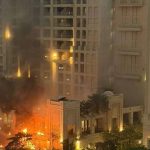

Australian police have charged Naveed Akram, 24, with 15 counts of murder and dozens of additional offences over the Bondi Beach mass shooting that killed 15 people at a Hanukkah celebration and wounded many more, in an attack authorities have described as terrorism and antisemitic violence.
The charges were announced on Wednesday, December 17, 2025, as Sydney began the first funerals for victims and as memorials along the waterfront swelled with flowers, candles and handwritten notes.
The charges: murder counts, terrorism allegation, and a long list of offences
NSW Police said Akram faces 59 offences, including 15 murder charges—one for each victim—plus a charge related to committing a terrorist act, alongside other serious allegations tied to the wounded and the events around the attack.
According to reporting, the alleged offences extend beyond the deaths, reflecting the number of people hurt and the scale of the response required that night.
Akram remains hospitalised under police guard, after being shot during the incident.
What investigators allege happened at Bondi
The shooting occurred during a public Hanukkah gathering near Bondi Beach. Police allege Akram acted alongside his father, Sajid Akram, who was shot dead at the scene by police.
Authorities have said the violence was inspired by the Islamic State group, and investigators have been examining the suspects’ movements and potential preparations in the weeks beforehand.
Evidence and ongoing lines of inquiry
As the case moves into its next phase, key questions remain public—and investigative—obsessions: how the weapons were obtained, what planning occurred, and whether there were missed warning signs.
A parallel line of inquiry is the suspects’ reported trip to the Philippines in November 2025, which has been cited in coverage as part of the timeline investigators are building around possible radicalisation and preparation.
The court pathway: a major case just beginning
With charges now laid, the matter shifts from an immediate police operation into a long legal process. Reporting indicates Akram is expected to reappear in court on April 8, 2026, as investigations continue under a named operation.
For prosecutors, the challenge will be assembling evidence robust enough to meet the standards for murder and terrorism offences. For the public, the court proceedings will likely become the most detailed—and most painful—accounting of what happened and why.
A country mourning—and arguing about what comes next
The charges land in a country still absorbing the enormity of the event. Political leaders have pledged stronger action against antisemitism and have signalled tougher measures around public safety and gun controls, while community leaders have emphasised resilience and solidarity.
But beneath the unity are intensifying debates—about extremism, online misinformation, policing and intelligence, and the kind of security Australians want at public events that, until this week, were assumed to be safe by default.
7 years in the field, from local radio to digital newsrooms. Loves chasing the stories that matter to everyday Aussies – whether it’s climate, cost of living or the next big thing in tech.