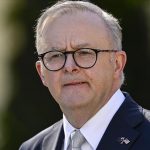





Former Australian Labor Party senator Nick Bolkus, a significant figure in federal politics during the Hawke and Keating eras, has died at the age of 75, prompting an outpouring of tributes from political leaders and community figures. Bolkus was widely respected for his contributions to multicultural policy, immigration reform, and the Labor movement, and his death — announced on Christmas Day, December 25, 2025 — marks the end of a storied career in public service.
A Life Dedicated to Public Service
Born in Adelaide on July 17, 1950, Nick Bolkus was the son of Greek immigrant parents and grew up immersed in the vibrant cultural tapestry of South Australia’s capital. He became involved in politics at a young age, even helping with Don Dunstan’s campaign in the mid-1960s — a formative experience that foreshadowed his long career in the Australian Labor Party.
Bolkus entered federal politics as a Senator for South Australia in 1981, embarking on a career that stretched over two and a half decades. He remained a senator until his retirement in 2005, making him one of the state’s longest-serving representatives in the upper house. Over the years, Bolkus held several portfolios, including consumer affairs, immigration and ethnic affairs, and played an influential role in shaping policy across diverse areas of national life.
Ministerial Impact in Hawke and Keating Governments
Under Prime Minister Bob Hawke, Bolkus was appointed Minister for Consumer Affairs in 1988, before moving to more prominent roles in the Keating government. In 1993, he became Minister for Immigration and Ethnic Affairs and Minister Assisting the Prime Minister for Multicultural Affairs, positions he held until the Labor government’s defeat in 1996.
Bolkus’s tenure in immigration policy is particularly remembered for its emphasis on humanity and inclusion. One of his most lauded decisions allowed tens of thousands of Chinese nationals who arrived before the 1989 Tiananmen Square massacre, and their family members, to settle permanently in Australia — a move praised for its ethical leadership and lasting impact on the nation’s multicultural fabric.
His ministerial work reflected his deep belief in multiculturalism as a cornerstone of modern Australia, and he became the first Greek-Australian to serve in the federal cabinet, symbolising the country’s increasingly diverse political landscape.
Tributes from Across the Political Spectrum
News of Bolkus’s death drew heartfelt tributes from leaders across Australia’s political and civic arenas. Prime Minister Anthony Albanese described Bolkus as one of Labor’s “great sons,” praising his steadfast commitment to public service, his idealism, and his belief in the principles of democracy and citizenship. Albanese highlighted Bolkus’s role in advocating for a more inclusive and equitable Australia.
South Australian Premier Peter Malinauskas echoed these sentiments, calling Bolkus a “formidable intellect” and a “tireless advocate for the Labor Party” who was deeply respected even across political divides. Malinauskas also emphasised Bolkus’s mentorship of younger political figures and his influential presence within the Labor movement.
Bolkus was remembered not only for his political achievements but also for his warmth and generosity with colleagues, friends, and community leaders. His legacy as a mentor to the next generation of leaders — including figures active in both state and federal politics — was frequently noted in tributes.
Legacy in Multicultural Australia
Bolkus’s passing comes at a moment when debates about immigration, diversity and national identity remain central to Australian life. His impact on multicultural policy — particularly at a time when Australia was grappling with its evolving cultural landscape — has been widely acknowledged as a defining contribution to the nation’s political history.
Long after leaving parliament, Bolkus continued to shape public life. In later years, he was active in party affairs and community engagement, including roles in party fundraising and mentoring emerging political talent. His connection to his Greek-Australian heritage and engagement with cultural organisations reinforced his lifelong commitment to inclusion and representation.
Personal Life and Survivors
Nick Bolkus is survived by his wife, Mary Patetsos, and their three children. His daughters, Aria and Mikayla, and his son, Nick Jr., carry forward the family’s ongoing engagement in public life. Notably, his daughter Aria is currently a Labor candidate for the 2026 South Australian state election, continuing a legacy of civic involvement.
Bolkus’s life and career were marked by a blend of principled politics, compassionate policy making and a steadfast belief in the potential of Australia’s multicultural society. His passing has prompted reflection on the arc of Australian political reform and the enduring influence of leaders who champion inclusion and diversity.
A Moment of Reflection for National Life
As Australia marks the passing of Nick Bolkus, commentators and historians alike are likely to assess his influence on national policy and public life for years to come. Amid tributes and remembrances, his role in fostering a more inclusive, representative and resilient Australia stands as a testament to the impact one individual can have on a nation’s trajectory.
7 years in the field, from local radio to digital newsrooms. Loves chasing the stories that matter to everyday Aussies – whether it’s climate, cost of living or the next big thing in tech.