


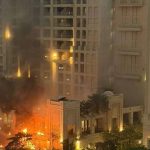

A devastating fire that tore through a packed bar in the Swiss ski resort of Crans-Montana on New Year’s Day — killing at least 40 people and injuring 119 others — was likely triggered by sparklers or “fountain candles” attached to champagne bottles, Swiss prosecutors and investigators have said. The tragedy, one of the worst in recent Swiss history, has prompted questions about fire safety, venue practices and liability as officials continue probing how a night of celebration turned into a catastrophic blaze.
Moment of Celebration Turns to Inferno
The fire erupted in the early hours of January 1, 2026, at Le Constellation bar, a popular nightlife spot in the resort town nestled in the Valais Alps. New Year’s revellers — many of them young adults — had gathered to celebrate when investigators believe the blaze began.
Investigators, after reviewing mobile phone footage and witness testimony, said the most credible early explanation is that sparkler candles placed atop champagne bottles were raised close to the bar’s low ceiling, which was lined with sound-absorbing foam or acoustic paneling. The sparks from these pyrotechnics are believed to have ignited the ceiling material, starting a rapidly spreading fire.
Rapid Spread and Terrifying Flashover
Once the ceiling caught fire, the blaze spread with astonishing speed. Fire experts use the term “flashover” to describe how intense heat in an enclosed space can cause virtually all combustible surfaces to ignite almost simultaneously, creating a sudden and overwhelming fire that leaves little time for escape. Surviving footage and eyewitness accounts show flames and thick smoke filling the space within seconds of ignition.
The venue — reportedly hosting around 200 people when the fire began — quickly became a death trap. Narrow exits and a basement layout compounded the danger, with patrons and staff alike struggling to find safe egress as heat and fumes intensified. Many suffered severe burns, smoke inhalation and trauma in the ensuing chaos.
Casualties and Emergency Response
Authorities have confirmed that at least 40 people died in the fire and 119 were injured, with many still in serious condition. Hospital units in the surrounding region were overwhelmed, prompting transfers of victims to specialized burn and trauma centers in neighboring countries, including France, Italy and Germany. Identification of the deceased has been complicated by the severity of the burns, with officials relying on dental records and DNA in many cases.
Victims came from a range of nationalities, underlining the international draw of Crans-Montana as a winter destination. Swiss President Guy Parmelin described the blaze as “one of the worst tragedies our country has experienced,” as families of the missing and injured awaited news.
Official Findings and Ongoing Investigation
Valais canton’s chief prosecutor, Beatrice Pilloud, spoke at a news conference confirming that the emerging evidence points to “sparklers or Bengal candles” on champagne bottles that were moved too close to the ceiling as the probable ignition source. While authorities have not yet declared this an official cause, she said that “everything suggests” this scenario is correct, and investigations into other factors are ongoing.
Officials are conducting a comprehensive review of the bar’s:
- Building materials, especially the flammability of acoustic foam panels on walls and ceilings
- Fire safety measures, including the presence and placement of extinguishers and alarms
- Emergency exits and crowd capacity planning
- Operating permits and compliance with fire safety regulations
The inquiry will also determine whether any criminal charges — such as negligent arson, negligent homicide or corporate negligence — should be filed against individuals responsible for safety at the venue.
Social Media and Early Visual Evidence
Videos circulating online shortly after the fire showed revelers holding champagne bottles adorned with flaming sparklers, moments before the flames spread across the ceiling. One clip quickly went viral, capturing glimpses of sparks flying upward and igniting darkened acoustic material. These early visuals helped investigators home in on the sparkler hypothesis as they sifted through multiple lines of inquiry.
Questions About Safety and Regulation
Le Constellation’s owners have insisted the venue had passed inspections and adhered to applicable regulations, including three inspections over the past decade, according to local media. However, whether those inspections sufficiently addressed fire hazards — especially in a crowded nightclub with pyrotechnic stunts — remains under scrutiny.
Authorities are also looking at whether the sound-dampening ceiling materials used were compliant with Swiss fire safety codes. Flammable acoustic foams and similarly treated paneling can dramatically accelerate fire spread if ignited, trapping patrons in seconds.
International Repercussions and Mourning
The deadly fire has drawn global attention and condolences, with leaders and citizens from across Europe expressing sorrow. The incident has prompted calls for stricter fire safety enforcement at nightlife venues and sparked debates about the use of indoor pyrotechnics, especially in spaces with limited ventilation and close-quartered crowds.
Local authorities have declared days of mourning, and memorials honoring the victims have grown near the site as Crans-Montana residents and visitors alike grapple with the scale of the tragedy.
Looking Ahead
As Swiss authorities continue their investigation, the tragic loss of life at Le Constellation raises urgent questions about how celebratory traditions intersect with regulatory safety measures. The likely role of sparklers on champagne bottles highlights how seemingly innocuous party practices can have disastrous consequences when combined with flammable materials and crowded environments.
Officials have not yet ruled out any scenario entirely, and the full findings of the inquiry — including potential criminal accountability — are still to come. Meanwhile, families of victims and the wider international community continue to mourn and demand answers following one of the most harrowing New Year’s tragedies in recent memory.
7 years in the field, from local radio to digital newsrooms. Loves chasing the stories that matter to everyday Aussies – whether it’s climate, cost of living or the next big thing in tech.