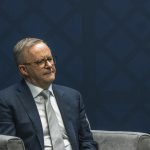



In the wake of an unprecedented military operation by the United States that resulted in the capture of Venezuelan President Nicolás Maduro, Australian Prime Minister Anthony Albanese has issued a measured call for dialogue, diplomacy and a peaceful, democratic transition of power in Venezuela. His response reflects Canberra’s concern for regional stability, international law and democratic principles amid a sharply divided global reaction to the dramatic events unfolding in South America.
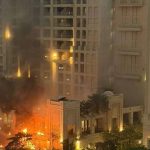
The crisis erupted after a large‑scale United States military operation in Caracas, during which Maduro — long accused by Washington of orchestrating drug trafficking and corruption — was reportedly taken into custody along with his wife, Cilia Flores. Former US President Donald Trump announced the operation and asserted that the US would “run” Venezuela temporarily to ensure stability and pave the way for a “proper transition” of government.
While Washington cast the seizure as part of its campaign against narco‑terrorism, the move has sparked intense debate globally — with some governments celebrating Maduro’s downfall and others condemning the action as a violation of international law and national sovereignty.
Albanese’s Response: Diplomacy and Democratic Principles
Rather than taking sides in the international debate, **Prime Minister Albanese emphasised the need for a **peaceful — not violent — and democratic shift in Venezuelan leadership that reflects the will of the Venezuelan people. He urged all parties involved to seek dialogue and diplomatic solutions to prevent further escalation in the region.
In social media posts and official statements, Albanese underscored Australia’s longstanding concern about Venezuela’s political and humanitarian crisis, and stressed support for international law, human rights and democratic freedoms. He also highlighted the importance of regional stability and warned against actions that could plunge the country into further conflict.
Australia is also monitoring developments closely and has reiterated travel warnings for its citizens, citing “an unpredictable security environment” and limited consular capacity in Venezuela amid ongoing unrest.
Why Canberra is Taking a Cautious Line
Australia’s position comes at a moment of sharp international disagreement. Countries such as Argentina supported the end of Maduro’s regime, while nations including Russia and China condemned the strike as a violation of sovereignty. Many regional governments — from Mexico to Brazil — have expressed concerns about the implications of military intervention by a foreign power in the affairs of a sovereign state.
Albanese’s emphasis on dialogue and adherence to international norms positions Australia as urging a measured regional approach, neither wholly endorsing the US operation nor entirely condemning it, but prioritising stability, legal principles and the agency of Venezuelans themselves.
This stance reflects broader diplomatic priorities for Canberra, which has historically supported democratic processes while navigating strategic alliances, including with the United States and fellow middle powers with interests in Latin American stability.
International Law and Regional Stability Concerns
Legal scholars and foreign policy analysts have raised questions about the legality of the US operation, noting it may challenge established norms under the United Nations Charter unless justified by self‑defense or Security Council approval. Critics argue that unilateral military intervention sets a dangerous precedent; proponents counter that Maduro’s regime was undemocratic and responsible for widespread abuses.
At the same time, global leaders such as German Foreign Minister Annalena Baerbock — reflecting positions in Europe — have called for a political settlement and de‑escalation, mirroring the tone of Australia’s calls for restraint.
Who’s in Charge in Venezuela Now?
Venezuela’s political situation remains fluid. While the US asserts control pending a transition, Vice President Delcy Rodríguez — backed by elements of the Venezuelan government — insists that Maduro is still the legitimate president. Power structures within Caracas and among the military are contested, and how leadership will be resolved — whether through negotiated political settlement, elections or transitional arrangements — is still unresolved.
Domestic Australian Politics and Reactions
Within Australia, the handling of the Venezuela situation has prompted debate. The Liberal‑National Coalition broadly endorsed Maduro’s removal as a step toward freedom and democracy, while the Greens criticised the U.S. action as breaching international norms and questioned Australia’s alignment with military intervention. Smartraveller — the government’s travel advice service — has continued its warning against travel to Venezuela, citing heightened risks of unrest and limited assistance for citizens.
What Comes Next?
With international observers including the UN Security Council expected to convene emergency discussions, the focus is shifting toward how Venezuela’s governance transition might proceed while avoiding violence and regional destabilisation. The path forward remains uncertain, as various global powers and regional organisations weigh in on what a democratic transition should look like — and who should lead it.
7 years in the field, from local radio to digital newsrooms. Loves chasing the stories that matter to everyday Aussies – whether it’s climate, cost of living or the next big thing in tech.