
Australia is confronting a concerning rise in measles infections following increased international travel over the holiday period, prompting urgent health alerts across New South Wales (NSW), South Australia (SA) and Victoria. Health authorities have warned the public about multiple exposure sites and urged Australians to ensure their measles, mumps and rubella (MMR) vaccinations are up to date as the nation grapples with an uptick in cases not seen in years.
Surge in Cases After Holiday Travel
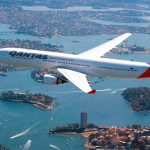
Health officials have linked the recent spike in measles cases to returned travellers from overseas, particularly regions experiencing ongoing outbreaks. NSW has recorded at least three confirmed measles cases in a week, all tied to individuals who travelled abroad and moved through high-traffic public spaces, including Sydney Airport and Qantas flights, while infectious.
In South Australia, authorities issued alerts after a confirmed measles case visited crowded locations including Marion Westfield Shopping Centre, Event Cinemas and Cockles Café in Port Elliot, and was on a flight from Adelaide to Sydney late in December.
Victorian health authorities have similarly highlighted the risk, with recent exposures and alerts tied to confirmed cases in and around greater Melbourne prompting reminders that measles — one of the most contagious viral diseases — can spread easily through respiratory droplets.
Broader National Trend: Cases Nearly Triple
The uptick in cases reflects a wider national trend. In 2025, Australia recorded 168 measles cases, a significant increase from 57 in 2024, and one of the highest totals seen since local elimination was first achieved in 2014. Experts attribute the surge to frequent international travel and a decline in vaccination coverage, with the national two-year-old MMR vaccination rate dropping below levels needed to maintain herd immunity.
Measles is exceptionally contagious — up to nine out of ten unvaccinated individuals exposed to the virus will become infected if they aren’t immune from prior vaccination or infection — which makes exposure in airports, cinemas, shopping centres and hospital waiting rooms particularly concerning.
What Health Alerts Mean for the Public
Health departments in NSW, SA and Victoria have issued public warnings and exposure site lists, detailing times and locations where infectious individuals were present. This includes parts of Sydney Airport, Blacktown Hospital and retail zones — with authorities advising people who were present at these sites during specified windows to monitor for symptoms up to 18 days after potential exposure.
Common early signs of measles include fever, cough, runny nose and red eyes, followed by a distinctive red, blotchy rash several days later. Because the virus is airborne and can linger in enclosed spaces for up to two hours after an infected person departs, people at exposure sites may still be at risk.
Vaccination and Prevention Urged
Health authorities are reinforcing that vaccination remains the most effective defence against measles. Clinicians and public health officials are urging Australians — especially those born after 1965, who may not be fully protected — to check their MMR status and get vaccinated if necessary. In NSW, the MMR vaccine is provided free for eligible individuals, and even infants as young as six months can safely receive an early dose if travel or exposure risk warrants it.
Public health messaging also emphasises that even partially vaccinated individuals may experience milder disease, underscoring the importance of immunisation throughout life.
Complications and Vulnerable Groups
While many people recover from measles without severe issues, the disease can cause serious complications, particularly in young children, older adults, pregnant people and individuals with weakened immune systems. Pneumonia, ear infections and, rarely, encephalitis (inflammation of the brain) are among the possible outcomes that make prevention and early detection critical.
Health System Response
In addition to public alerts, health departments are enhancing surveillance and contact tracing to limit further spread. NSW Health has issued clinician alerts emphasising the need to consider measles in anyone presenting with fever and rash symptoms, even without recent international travel, because of the risk of secondary local transmission.
Authorities have also been quick to update exposure sites online and through media channels to ensure that potentially exposed people can seek timely advice and testing.
The Broader Global Context
Australia’s increase in measles cases mirrors trends seen overseas. Ongoing outbreaks in parts of South and Southeast Asia, the Americas and Europe have contributed to rising importation risk, and travellers returning from these regions often bring infections back home. Global declines in routine childhood immunisation during and after the COVID-19 pandemic have further created conditions that allow measles — a disease once rare in Australia — to re-establish itself temporarily.
Where to Next? Addressing the Risk
Public health experts warn that without improved vaccination coverage and vigilant surveillance, Australia risks larger outbreaks and even losing its measles-free status as defined by the World Health Organization. Maintaining robust immunisation programmes, encouraging vaccination before travel, and rapid response to exposure clusters are key strategies being emphasised as part of the country’s public health efforts.
7 years in the field, from local radio to digital newsrooms. Loves chasing the stories that matter to everyday Aussies – whether it’s climate, cost of living or the next big thing in tech.