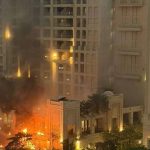

In the wake of an unprecedented United States military operation in Venezuela that resulted in the capture of President Nicolás Maduro and his wife, the Cuban government has confirmed that 32 Cuban nationals were killed during the attacks — a development that has escalated tensions across Latin America and drawn sharp international reactions. The deaths, announced by Havana on January 5, 2026, have sparked mourning, diplomatic condemnation and heightened geopolitical concern as the fallout from the mission reverberates worldwide.
Cuba Confirms Losses: Who the Victims Were
Cuba’s government said the 32 killed were members of its armed forces and intelligence services deployed in Venezuela as part of longstanding cooperation with the Maduro government. Officials describe them as carrying out missions “at the request of Venezuelan authorities” and say they died with dignity and heroism, either in direct combat or as a result of bombings during the U.S. raid.
President Miguel Díaz-Canel declared two days of national mourning — on January 5 and 6 — to honour those who fell and announced that funeral arrangements would be announced in due course. The government’s statement emphasised the solidarity between Cuba and Venezuela, portraying the deaths as part of a shared struggle.
How the Casualties Occurred
The fatal losses occurred during a large-scale U.S. attack on Caracas aimed at seizing Maduro, who was wanted on U.S. indictments related to drug trafficking and narco-terrorism. U.S. special forces and air strikes struck military and security facilities in the Venezuelan capital, ultimately capturing Maduro and flying him to New York for prosecution. While Washington characterised the mission as a law-enforcement action, the intensity of combat and targeting of security installations led to significant casualties among Venezuelan personnel and their allies.
U.S. officials, including President Donald Trump, acknowledged that Cuban casualties occurred, with Trump stating third-party losses were “a lot” but asserting there were no U.S. deaths in the operation.
Cuba’s Mourning and Messaging
In Havana, the deaths of the Cuban personnel triggered public mourning and official condemnation. State media and government channels highlighted the fallen as defenders of sovereignty and allies of Venezuela, framing their deaths as a consequence of U.S. “military aggression” against a friendly government. Cuban leadership characterised the operation as a violation of international law and an act of aggression against both Venezuela and its allies.
The Cuban presidency issued messages of condolence and emphasised the “solidarity and shared struggle” between the two nations, underscoring the historical ties that extend back decades under leaders such as Fidel Castro and Hugo Chávez.
Venezuela’s Response to the Casualties
Venezuelan officials, including Defence Minister Vladimir Padrino, paid tribute to the Cuban combatants killed during the U.S. strikes, acknowledging their role within Maduro’s security architecture. The Maduro government and its supporters have denounced the U.S. action as cold-blooded aggression, accusing Washington of violating Venezuelan sovereignty and causing unnecessary deaths.
With Maduro and his wife in U.S. custody, Venezuela’s Supreme Court appointed Delcy Rodríguez as interim president, though she has faced opposition from Maduro loyalists and international critics. Rodríguez’s administration has condemned the raid and honoured those killed, including the Cuban personnel who died alongside Venezuelans.
International Reactions and Rising Tensions
The Cuban government’s confirmation of the 32 deaths has sparked international condemnation and diplomatic strain. Havana’s allies, including China, Russia and Iran, criticised the U.S. operation as a violation of international law and an act of unilateral military intervention. Several Latin American nations also expressed concern about precedent-setting actions that involve the use of force against a sovereign state’s leader.
In contrast, some Western governments and U.S. allies framed the mission as a lawful response to longstanding criminal indictments against Maduro, though even within the U.S. there have been debates about the legality and strategic implications of direct military force for law enforcement objectives.
Implications for Cuban-Venezuelan Relations
Cuba has had a long-standing security and intelligence role in Venezuela, particularly since the early 2000s, when ties were strengthened under then-President Hugo Chávez. Cuban personnel have been embedded within Venezuelan security and defence structures, a point of contention among critics who argue it complicated internal loyalty dynamics in Caracas.
The deaths of the Cuban contingent are likely to deepen Havana’s stance against U.S. actions in the region and could influence future diplomatic and military alignments across Latin America and the Caribbean. Analysts warn the incident may lead to further polarisation between U.S. policy objectives and the bloc of nations critical of American interventions.
Human and Political Fallout
Beyond geopolitical ramifications, the human toll of the Cuban casualties resonates deeply within communities in both countries. With limited information about individual identities, families of the fallen have appealed for recognition and honour, while public memorials in Havana highlight sacrifice and solidarity. The deaths have sparked debates in Cuba about foreign deployments and the risks of allied engagements abroad.
For Venezuela, the incident raises questions about internal security dynamics, the reliance on foreign personnel for regime protection, and the complex interplay of ideology and strategic alliances in times of crisis.
Looking Ahead
As diplomatic tensions simmer and international bodies — including the United Nations Security Council — turn their attention to the crisis, the deaths of the 32 Cuban nationals remain a poignant symbol of the broader human cost of the conflict. With Maduro in U.S. custody awaiting trial and Venezuela navigating a volatile transition period, the repercussions of the operation continue to shape regional politics, alliances and the future stability of the Americas.
7 years in the field, from local radio to digital newsrooms. Loves chasing the stories that matter to everyday Aussies – whether it’s climate, cost of living or the next big thing in tech.