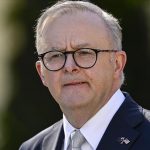



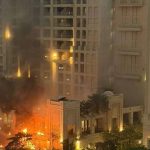

Australia’s Prime Minister Anthony Albanese has signalled a shift in his stance on a federal royal commission into the Bondi Beach terror attack, opening the door to the possibility amid intensifying pressure from across the political spectrum, community leaders, sporting icons, legal bodies and business figures. The move comes after weeks of resistance by the federal government — and reflects a growing national debate over how best to respond to the worst terror attack on Australian soil in decades and the broader issue of rising antisemitism.
From Emphatic ‘No’ to a Softer Line
Initially, Albanese had firmly ruled out a Commonwealth royal commission, arguing that an existing review — led by former intelligence chief Dennis Richardson — and state inquiries in New South Wales would be more effective and timely. The prime minister emphasised that a royal commission could be lengthy, divisive and duplicative, potentially slowing urgent legal and security reforms his government is pursuing after the December 14 attack.
But in recent days, Albanese’s language has evolved significantly. Asked directly whether he would now consider a federal royal commission, the prime minister declined to rule it out, acknowledging that the government is “continuing to examine everything else required” and is in discussions with NSW authorities and the broader community. His office said the NSW government has set out it will hold a royal commission, and Canberra is talking about how a federal process might operate alongside that.
This softening represents a notable shift from previous dismissals and indicates that the prime minister is responding to growing calls and public sentiment — even if no final decision has yet been made.
Mounting Pressure from Across Society
Support for a federal royal commission has grown rapidly, crossing traditional political and social divides:
- Former Labor figures — including ex-MPs and senators — have penned open letters urging Albanese to back a royal commission, warning that a state-level inquiry may lack the scope and independence to fully address systemic issues surrounding the attack and extremism.
- The Law Council of Australia — representing the legal profession — has thrown its weight behind the call, arguing that only a Commonwealth royal commission can thoroughly examine the rise of antisemitism and institutional responses needed to restore public confidence.
- Business and community leaders, including major business bodies and influential figures from sporting and cultural sectors, have publicly backed a broader inquiry, stressing the need for a national response beyond legislative tweaks.
Local government voices — such as Waverley Council in the Bondi area — are also preparing to formally request federal action, with meetings scheduled to support a Commonwealth royal commission.
Why Calls Have Resonated
Proponents of a royal commission argue that the Bondi terror attack, which killed 15 people at a Chanukah celebration, was not merely a tragic criminal act but the culmination of broader societal issues. These include a documented rise in antisemitic sentiment, online radicalisation and perceived gaps in law enforcement and intelligence coordination. They assert that only a federal royal commission — with powers to compel testimony and cross jurisdictions — can properly unpack how these forces converged and recommend systemic reforms.
Supporters have also framed the royal commission as crucial for national healing and trust-building, providing a transparent forum for victims, families and community groups to be heard and see concrete commitments emerge from the findings.
Political Dynamics and Opposition Pressure
The Albanese government’s shift comes amid sustained pressure from the Opposition Coalition, which has made a royal commission a central demand in its political campaign. Coalition leader Sussan Ley and other senior figures have outlined detailed proposals for a federal inquiry that would examine intelligence, extremist networks, online platforms and university environments — areas they say have been underexplored.
Some moderate and centrist MPs — including teal independents — have also urged Albanese to embrace a royal commission, arguing that political resistance is politically costly and undermines community confidence.
Albanese’s Immediate Priorities and Legislative Agenda
Despite the softened stance, Albanese has reaffirmed his priority remains the Richardson review into intelligence and security agencies and the passage of new hate speech and gun control laws designed to address factors linked to domestic extremism. He has proposed recalling federal parliament early to advance these reforms, suggesting that legislative action should accompany any inquiry process.
He has also sought to frame the discussion around unity and community safety, indicating ongoing consultations with Jewish community leaders and broader civil society about what a national response should entail.
Public and Community Reaction
The prime minister’s softened language has been met with cautious optimism by many advocates for a royal commission, who see it as a sign that government may be listening to widespread concerns. Jewish community groups, victims’ families and civil liberties organisations have welcomed the shift, even as they continue to press for a clear commitment and terms of reference for any federal inquiry.
However, critics argue that the government’s previous resistance has eroded trust and that any delay in announcing a formal royal commission risks prolonging uncertainty and pain for affected communities.
Looking Ahead: What Comes Next
With Albanese taking a more open posture, attention now turns to how, when and on what terms a Commonwealth royal commission might be established. Key questions include whether it will operate in parallel to the NSW state royal commission, what issues it will be authorised to examine (e.g., hate, intelligence system failings, social media, protests), and how it will balance public transparency with national security concerns.
The timing of parliament’s return, scheduled discussions with NSW officials, and continued community consultations could shape the ultimate scope and framework of any federal inquiry.
Conclusion: A Pivotal Moment in National Debate
Prime Minister Albanese’s shift on the royal commission issue marks a significant moment in Australia’s response to the Bondi terror attack and the broader challenge of responding to extremism and antisemitism. While resistance has softened and the door is now open to the possibility of a national inquiry, the path forward remains complex. The coming weeks are likely to be decisive as political leaders, communities and public institutions negotiate a way to address both the lasting impact of the Bondi tragedy and the structural questions that its aftermath has raised.
7 years in the field, from local radio to digital newsrooms. Loves chasing the stories that matter to everyday Aussies – whether it’s climate, cost of living or the next big thing in tech.