



Australia’s cultural institutions tell a story far larger than their walls. From the world’s oldest continuing cultures to bold contemporary experimentation, the nation’s art galleries and museums reflect Australia’s evolving identity, its tensions, and its place in the global cultural conversation. Spread across major cities and regional centres, these institutions are not just repositories of objects, but living spaces for debate, education and creative expression.
National Gallery of Australia: A Continental Collection
Located on the shores of Lake Burley Griffin in Canberra, the National Gallery of Australia (NGA) holds the most comprehensive art collection in the country. Established in 1967, the NGA is particularly renowned for its extraordinary Indigenous art collection, considered one of the finest in the world.
The gallery’s Aboriginal and Torres Strait Islander works span tens of thousands of years, from ancient bark paintings to cutting-edge contemporary installations. Alongside this sits a vast international collection featuring European masters, Asian art, and modern Australian works, positioning the NGA as a bridge between Australia and the wider world.
The sculpture garden, with iconic works by Henry Moore and Fujiko Nakaya, has become a destination in its own right, reinforcing the gallery’s role as both a national institution and a public gathering space.
Art Gallery of New South Wales: Tradition Meets Transformation
Perched above Sydney Harbour, the Art Gallery of New South Wales (AGNSW) is one of Australia’s oldest and most visited art institutions. Founded in 1871, the gallery has long been central to the country’s artistic life.
In recent years, AGNSW has undergone a dramatic transformation with the opening of the Sydney Modern Project, a major expansion that has redefined how art is experienced in Australia. The new spaces prioritise Indigenous voices, performance art and immersive installations, reflecting a shift away from traditional, Eurocentric gallery models.
The gallery’s annual Archibald Prize exhibition continues to draw huge crowds, cementing its role in shaping national conversations around portraiture, celebrity, and identity.
National Museum of Australia: Stories That Shape a Nation
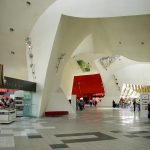
Also based in Canberra, the National Museum of Australia (NMA) focuses less on fine art and more on the social, political and cultural history of the country. Its exhibitions explore themes of colonisation, migration, democracy, environment and Indigenous sovereignty, often confronting uncomfortable truths about Australia’s past.
The museum’s distinctive architecture and interactive displays are designed to engage visitors of all ages, making it a key educational institution. Its Indigenous-led exhibitions, developed in collaboration with First Nations communities, have been particularly influential in reshaping how Australian history is told.
Museum of Contemporary Art Australia: Global and Local Voices
Sitting prominently at Circular Quay, the Museum of Contemporary Art Australia (MCA) is dedicated exclusively to living artists. With a strong emphasis on Australian and Indigenous contemporary art, the MCA has become a platform for experimentation and social commentary.
The museum’s exhibitions often tackle urgent issues such as climate change, gender politics and post-colonial identity. Its commitment to showcasing First Nations artists as central rather than supplementary voices has helped redefine contemporary art practice in Australia.
The MCA’s location and free general admission have also made it one of the most accessible cultural spaces in the country.
Melbourne’s Cultural Powerhouses: NGV and ACMI
Melbourne’s reputation as Australia’s cultural capital is anchored by institutions clustered along St Kilda Road and Federation Square.
The National Gallery of Victoria (NGV), Australia’s oldest public art gallery, operates across two sites: NGV International and The Ian Potter Centre: NGV Australia. Its blockbuster exhibitions—ranging from European fashion houses to ancient civilisations—regularly draw record-breaking crowds.
Complementing the NGV is ACMI (Australian Centre for the Moving Image), which explores film, television, video games and digital culture. Recently redeveloped, ACMI reflects how storytelling has evolved in the digital age and highlights Australia’s contributions to screen culture.
Queensland Art Gallery and Gallery of Modern Art: Asia-Pacific Focus
The Queensland Art Gallery (QAG) and Gallery of Modern Art (GOMA) form a cultural precinct on Brisbane’s South Bank that has gained international recognition. GOMA, in particular, is known for its ambitious, large-scale exhibitions and strong engagement with Asia-Pacific artists.
The galleries’ focus on regional connections reflects Queensland’s geographic and cultural positioning, fostering dialogue between Australia and its neighbours. Their commitment to children’s programming and community engagement has also broadened the audience for contemporary art.
South Australian Museum and Art Gallery of South Australia
In Adelaide, the South Australian Museum is internationally respected for its anthropology and natural history collections, especially its extensive holdings of Aboriginal cultural material. Its research role makes it a critical institution for understanding human history in Australia and the region.
Nearby, the Art Gallery of South Australia (AGSA) offers a more traditional gallery experience while increasingly embracing contemporary and Indigenous art. Adelaide’s cultural institutions play a key role during major events such as the Adelaide Festival and WOMADelaide, reinforcing the city’s reputation for arts and ideas.
Western Australia’s Cultural Institutions: Local Stories, Global Reach
Perth’s Art Gallery of Western Australia (AGWA) has undergone significant renewal, shifting towards immersive experiences and contemporary storytelling. Its programming highlights Western Australia’s unique geography, multicultural population and strong Indigenous cultures.
Meanwhile, the Western Australian Museum Boola Bardip, redeveloped in the heart of Perth, presents a bold reinterpretation of the state’s history. Its emphasis on First Nations perspectives and scientific research positions it as one of the most forward-looking museums in the country.
Regional Galleries and Museums: Culture Beyond Capital Cities
Australia’s cultural life extends far beyond major metropolitan centres. Institutions such as the Museum of Old and New Art (MONA) in Hobart have had an outsized impact on tourism and contemporary art discourse. MONA’s provocative exhibitions and unconventional approach have reshaped how museums engage audiences.
Regional galleries, from Bendigo Art Gallery to the Heide Museum of Modern Art, play a vital role in supporting local artists and bringing major exhibitions to diverse communities.
Why These Institutions Matter
Australia’s art galleries and museums are more than tourist attractions. They are spaces where national identity is questioned, history is re-examined and future possibilities are imagined. As debates around representation, restitution and climate responsibility intensify, these institutions are increasingly called upon to lead rather than simply preserve.
7 years in the field, from local radio to digital newsrooms. Loves chasing the stories that matter to everyday Aussies – whether it’s climate, cost of living or the next big thing in tech.