


A Shift in the Federal Response
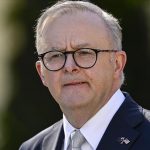
Australian Prime Minister Anthony Albanese is widely expected to announce a federal royal commission into the Bondi Beach terror attack, reversing earlier resistance to such an inquiry. The move comes after weeks of mounting pressure from victims’ families, community groups, political opponents, and public opinion that has increasingly favoured a broad, transparent investigation into the massacre and its causes.
The federal royal commission would be one of the most high-profile inquiries in Australia’s recent history, tasked with examining not only the events of the December 14 attack — in which 15 people were killed and scores injured at a Hanukkah celebration — but also broader issues such as law-enforcement and intelligence agency performance, rising antisemitism, and potential policy shortcomings.
Sources report that former High Court Justice Virginia Bell is set to be appointed as the head of the commission following Cabinet approval, although some community leaders have expressed concern over key appointments.
Background: Bondi Beach Nightmare
On December 14, 2025, a father and son allegedly inspired by extremist ideology carried out a deadly shooting at Bondi Beach in Sydney during a Jewish community Chanukah event — an act that has been widely condemned as both terrorism and an attack driven by antisemitic hatred. The atrocity is now considered one of the deadliest in modern Australian history, prompting national grief and growing unease about extremism and hate-fueled violence.
In the immediate aftermath, the Albanese government introduced legislation to crack down on hate speech and proposed reforms targeting extremist influences, while commissioning a federal review of intelligence and law-enforcement performance rather than a full royal commission. Critics argued such measures fell short of comprehensively addressing systemic failings.
Calls for a Federal Inquiry: Broad and Bipartisan
Calls for a national royal commission united a broad coalition of voices. Families of victims penned open letters urging the Prime Minister to establish a federal inquiry, citing the need to understand how warning signs were missed, why violence occurred, and how antisemitic hatred gained traction in Australia.
Jewish organisations, including the Australia/Israel & Jewish Affairs Council and other communal bodies, issued formal appeals for a Commonwealth investigation into the attack and the wider social climate that preceded it.
Political pressure has been bipartisan. Opposition leaders, former Labor ministers, and senior figures from multiple parties have backed a national commission, arguing that state-level inquiries — like the one initiated by New South Wales authorities — lack the legal reach and scope to compel testimony from federal agencies.
A national poll also indicated majority public support for a federal royal commission, with more than half of Australians surveyed in favour of a comprehensive national inquiry.
Adding to the chorus, local government leaders, including the Mayor of Waverley Council, formally backed the call for a federal royal commission, highlighting community demand for accountability and systemic reform.
PM’s Earlier Hesitation and Government Strategy
Until recently, the Prime Minister had resisted launching a federal royal commission. Government sources and public statements suggested concerns that a prolonged public inquiry could be “too lengthy” and might provide platforms for divisive rhetoric, potentially inflaming tensions rather than healing them. Instead, the government emphasised immediate legislative and policy responses, such as hate speech laws and intelligence reviews.
Albanese also argued that a New South Wales state-level royal commission, coupled with federal cooperation, would be sufficient and faster than a Commonwealth inquiry — a stance that did not satisfy many advocates for a more expansive national probe.
Pressure mounted from within his own party and former Labor figures, who urged Albanese to reconsider and match the depth of a federal inquiry to the scale of the tragedy and its societal implications.
What a Royal Commission Could Examine
If established, the federal royal commission is expected to investigate several critical areas:
- Intelligence and Law Enforcement: A thorough look at how agencies tracked extremist threats, assessed risks, and shared information leading up to the Bondi attack.
- Rise of Antisemitism: Analysis of whether growing antisemitic sentiment in public discourse and social media contributed to the tragic events and how such hate can be countered.
- Policy and Legislative Gaps: Evaluation of existing hate crime laws, firearm regulation, and strategies to prevent similar attacks in the future.
- Community and Social Impact: Examination of the effects of the shooting on the Jewish community and broader Australian society, including social cohesion and multicultural relations.
The inquiry’s recommendations could influence federal and state policymaking for years, shaping Australia’s approach to extremism, discrimination, and national security.
Community Voices: Inclusivity and Scope Debates
While many leaders strongly back the prospective commission, there are debates about its scope. Some Muslim community representatives have emphasised that any inquiry should address all forms of racism and bigotry, not solely antisemitism, warning that narrow terms of reference may overlook broader societal issues.
Jewish leaders have also voiced differing opinions on potential leadership appointments for the inquiry, stressing the importance of ensuring community confidence in the commissioners chosen.
These nuanced debates reflect the complexity of bringing together divergent perspectives in the pursuit of truth, accountability, and national healing.
Next Steps: Formal Announcement Imminent
Political insiders and media reports indicate the government’s formal announcement of a federal royal commission is imminent, likely following a cabinet meeting this week in Canberra. Details on the commission’s terms of reference, scope, timeframe and leadership are expected to be outlined at that time.
7 years in the field, from local radio to digital newsrooms. Loves chasing the stories that matter to everyday Aussies – whether it’s climate, cost of living or the next big thing in tech.