



Board Rebuffed 2024 Petition to Remove Thomas Friedman
In 2024, the Adelaide Festival faced pressure from a group of academics — including Dr Randa Abdel-Fattah — to remove New York Times columnist Thomas L. Friedman from that year’s Adelaide Writers’ Week program. The petition objected to a controversial column by Friedman that likened Middle Eastern conflicts to animal metaphors, which critics described as dehumanising and offensive. However, the festival’s board rejected the request and upheld Friedman’s invitation, citing its commitment to artistic freedom and open dialogue. Ultimately, Friedman did not participate that year due to scheduling issues, not a cancellation by the organisers.
This context has resurfaced amid the broader crisis surrounding the 2026 Adelaide Writers’ Week, highlighting perceived inconsistencies in how the board applies decisions about controversial speakers and contributors.
Background: 2026 Controversy Over Randa Abdel-Fattah’s Removal
The scrutiny over the board’s 2024 decision comes against the backdrop of intense criticism over its 2026 choice to remove Dr Randa Abdel-Fattah from the festival roster. The board announced that it would no longer include the Palestinian-Australian author and academic in the forthcoming Writers’ Week program, stating that “given her past statements … it would not be culturally sensitive to continue to programme her … so soon after the Bondi Beach terror attack” in December 2025.
Abdel-Fattah has labelled her removal racist and a form of censorship, arguing that her exclusion singles out her identity and political views rather than the substance of her work. Her critics, including some Jewish community leaders, supported the board’s move, saying the festival needed to prioritise cultural safety in a fraught national climate.
Comparisons Fuel Debate on Consistency and Free Expression
The revelation that the board declined to cancel Friedman’s 2024 participation despite similar objections has become a focal point in the current debate. Abdel-Fattah and supporters argue that the festival’s willingness to uphold Friedman’s invitation — which she and others had challenged — indicates a double standard when compared with her own exclusion in 2026.
In response, some commentators note that the circumstances surrounding each case were different: Friedman’s column was contextualised as part of broader literary discussion, while the board framed Abdel-Fattah’s removal around sensitivities linked to a national tragedy and past social media statements.
Escalating Fallout for the Festival
The controversy over Abdel-Fattah’s removal — and this precedent from 2024 — has triggered a major boycott of Adelaide Writers’ Week, with dozens of authors withdrawing from the event in protest. Some First Nations writers have also pulled out, and former festival leaders have signed open letters urging the board to reverse its decision.
Meanwhile, parts of the Writers’ Week website have been temporarily unpublished as organisers navigate a rapidly evolving situation marked by intense public and industry scrutiny.
Political and Community Pressure
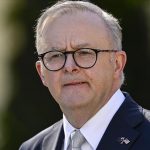
South Australian Premier Peter Malinauskas has publicly backed the board’s decision to remove Abdel-Fattah, saying he expressed his view to the board before it made its final choice — but maintained he did not instruct or direct the board’s actions. Malinauskas referenced the 2024 incident involving Friedman in arguing for consistency in how festival programming responds to concerns about cultural safety.
Jewish community leaders, such as Norman Schueler, have said their membership requested Abdel-Fattah’s removal, supporting the board’s action in the current context. Others, however, have condemned the situation as a troubling move away from free expression and inclusive cultural exchange.
Wider Implications for Free Speech and Cultural Events
The comparison between the 2024 and 2026 decisions has sparked wider debate across Australia’s literary and arts communities about free speech, cultural sensitivity, and festival governance. Critics of the board argue that literary festivals should be spaces for challenging ideas and diverse viewpoints — regardless of political polarity — and that selective exclusions undermine those principles.
Supporters of the board’s 2026 decision counter that cultural events must be mindful of community tensions, particularly in the wake of traumatic events such as the Bondi Beach attack, which claimed 15 lives. They argue that programming decisions should reflect broader societal contexts to avoid exacerbating pain or division.
Looking Ahead: Crisis Continues for Adelaide Writers’ Week
As the festival approaches, the fallout from the Abdel-Fattah decision and the reminder of the Friedman case continues to shake Adelaide Writers’ Week. With ongoing withdrawals, leadership resignations and legal challenges looming, organisers face mounting pressure to reassess their approach to programming, governance and engagement with community stakeholders. The outcome may shape not only this year’s festival but the future ethos of Australia’s major cultural gatherings.
7 years in the field, from local radio to digital newsrooms. Loves chasing the stories that matter to everyday Aussies – whether it’s climate, cost of living or the next big thing in tech.