



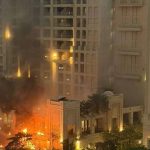

Australia is grappling with a major bushfire disaster in the southeastern state of Victoria, where a deadly combination of extreme heat, dry conditions and strong winds has ignited and sustained dozens of out-of-control fires. The state has declared a state of emergency, with authorities confirming one person has died and more than 300 buildings — including homes and other structures — destroyed amid intense flames and extensive smoke.
The blazes are concentrated in central and northeastern Victoria, with fires in areas such as Longwood, Walwa, the Otways and the Great Otway Ranges posing an ongoing threat to lives, property and infrastructure.
Human Toll: First Fatality in Longwood Fire Zone
Victoria Police confirmed that human remains were discovered near a vehicle in the Longwood fire area, approximately 110 km north of Melbourne, marking the first confirmed death linked to this year’s bushfire crisis. The victim has not yet been formally identified as of the latest reports.
Premier Jacinta Allan described the discovery as deeply distressing and warned residents that the state had “not seen the worst of this yet,” urging vigilance as firefighters continued to battle multiple blazes across vast areas of the state.
Widespread Destruction: Hundreds of Structures Lost
Emergency management officials have assessed that more than 300 structures have been razed, with approximately 80 homes destroyed among them. The tally also includes sheds, farm buildings and other rural properties consumed in the fast-moving fires.
Across the landscape, over 350,000 hectares — an area almost twice the size of Greater London — has been scorched by the infernos, leaving behind charred farmland, forests and infrastructure.
Extreme Weather and Fire Conditions Exacerbate the Crisis
Experts have attributed the intensity and rapid spread of the fires to an ongoing severe heatwave, which saw temperatures soar past 40 °C in parts of Victoria. These conditions have created catastrophic fire weather, with low humidity and strong winds fanning flames and complicating containment efforts.
A total fire ban has been imposed across large parts of the state, and authorities have warned that the situation could worsen before moderating, with fire agencies preparing for extended operations and unpredictable flare-ups.
Emergency Response: Firefighters, Aircraft and Evacuations
Thousands of firefighters, supported by more than 70 aircraft, have been mobilised in a massive response to the crisis, working to contain dozens of blazes that remain active throughout the region.
Evacuation orders and emergency warnings have been issued for multiple communities, with residents advised to leave immediately or take shelter depending on their proximity to advancing fire fronts. Roads leading into firegrounds have been closed due to hazardous conditions.
In some cases, rescues have been carried out by helicopter, saving residents and even pets from fast-approaching flames, though many have already lost their homes and belongings.
Government Actions and Support Measures
Prime Minister Anthony Albanese visited affected communities, pledging support and announcing an initial AU$19.5 million emergency relief package jointly funded by federal and state authorities. The package is designed to provide disaster recovery payments, emergency housing support and aid for farmers, including fodder distribution to support livestock affected by the fires.
“You’ve got our support not just during this crisis, but through the recovery as well,” Albanese told residents, emphasising that relief efforts would prioritise both immediate and long-term needs.
Air Quality, Infrastructure Impact and Public Health Concerns
The bushfires have significantly degraded air quality across much of Victoria, with smoke plumes affecting communities including Melbourne and regional centres. Health authorities have raised concerns about the impact of prolonged smoke exposure, particularly for vulnerable groups such as young children, the elderly and individuals with respiratory conditions.
In addition to property loss, tens of thousands of households have experienced power outages as fire activity damaged electrical infrastructure and prompted preventive shutdowns. Restoration is expected to take time, further complicating recovery efforts for affected communities.
Historical Context and Comparison to Previous Seasons
Officials have noted that the current fires are among the most severe since the notorious 2019–20 Black Summer bushfires, which burned millions of hectares across multiple states and resulted in significant loss of life and property.
Climatologists and disaster response experts warn that climate change — with increased frequency of heatwaves, drought and extreme fire weather — is likely intensifying bushfire seasons, making such destructive events more common and more difficult to manage. Evacuation orders and disaster preparations reflect lessons learned from previous catastrophes, even as communities confront the immediate reality of loss.
Voices from the Firegrounds: Stories of Loss and Resilience
Residents returning to fire-affected zones have described scenes of utter devastation, with entire neighbourhoods reduced to ashes and families grappling with the emotional and financial toll of rebuilding. In towns like Harcourt, firefighters who lost their own homes while battling blazes expressed the raw duality of their situation: fighting for the community while facing personal loss.
Others have shared accounts of narrowly escaping advancing flames, helping neighbours flee, or salvaging what remains of their properties, underscoring both the peril and resilience evident across fire-scarred regions.
Looking Ahead: Recovery and Remaining Threats
As firefighters continue their efforts and temperatures moderate slightly, authorities are cautiously optimistic about improving containment. However, ongoing risks remain, with dozens of active fire fronts still capable of flaring up with changing wind patterns and lingering heat.
Recovery operations are expected to span months, involving rebuilding homes, supporting displaced families, addressing environmental impacts and reviewing disaster preparedness strategies to mitigate future fire seasons. Community leaders emphasise that while the immediate danger may ease with time, the long-term process of healing and reconstruction has only just begun.
7 years in the field, from local radio to digital newsrooms. Loves chasing the stories that matter to everyday Aussies – whether it’s climate, cost of living or the next big thing in tech.