



SYDNEY / MELBOURNE — From the “smiling” quokka selfies to iconic kangaroo footage and cuddly koala pics, Australian animals have become some of the most shared wildlife stars on social media and searches worldwide. Whether it’s cuteness, quirkiness or sheer uniqueness, creatures from the island continent regularly go viral, cut through the noise of online content, and capture global attention. Behind this phenomenon lies a mix of biology, culture, tourism trends and internet psychology that explains just why Australia’s wildlife dominates our feeds.
The Quokka Effect: The Internet’s “Happiest Animal”
Perhaps no Australian animal better illustrates the internet’s affection for Aussie fauna than the quokka — a small macropod native to Rottnest Island off Western Australia. These compact, herbivorous marsupials have been dubbed the “world’s happiest animal” because of their facial structure, which gives them an almost perpetual grin, and their friendly curiosity around people.
Quokkas have become a staple of viral content, with thousands of #quokkaselfie posts flooding social media platforms as tourists and celebrities alike snap photos with the charming creatures. While their “smile” is biological rather than emotional, the perceived happiness resonates with global audiences and makes them instant social media stars.
Why Cuteness and Curiosity Capture Clicks
Australian animals tap into fundamental triggers of internet engagement:
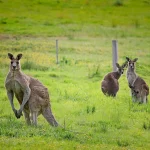
- Distinctive appearance: Creatures like koalas and kangaroos are instantly recognisable, with features that easily captivate casual viewers. Iconic species contribute to strong visual branding of Australia in global culture.
- Unusual behaviours: Many species, from quokkas’ boldness around humans to wombats’ burrowing habits and platypuses’ egg‑laying mammals, are inherently interesting and novel to audiences unfamiliar with such wildlife.
- Photogenic appeal: Animals that display expressive faces, cute proportions or unique forms translate well into memes, short videos and shareable images — exactly the types of content platforms amplify.
This combination of visual appeal and novelty aligns perfectly with how social media algorithms prioritise engagement, helping Australian fauna break through the noise and become global viral sensations.
Cultural Icons With Worldwide Recognition
Australia’s native animals have long held symbolic power in global culture, long before the age of TikTok and Instagram. Kangaroos and koalas are internationally recognised symbols of the continent, appearing on stamps, travel brochures and even national emblems like the Australian coat of arms.
This enduring imagery builds a cultural foundation that makes these animals instantly recognisable and desirable online. When users scroll past an image of a koala or a kangaroo, they often stop scrolling, thanks to years — even decades — of cultural reinforcement connecting these animals to ideas of wilderness, adventure and Australia itself.
Tourism and the Shareable Wildlife Experience
Tourism plays a major role in pushing Australian animals into global feeds. Wildlife encounters — whether a quokka on Rottnest Island, sea lions off the South Australian coast or the chance to glimpse wombats at Wilsons Promontory — create repeatable, shareable moments for travellers seeking authentic experiences.
Travel content creators and tourism authorities have also capitalised on this. By encouraging visitors to share their wildlife experiences — safely and responsibly — destinations amplify online interest, which in turn fuels more travel and more wildlife content creation.
Conservation Stories Add Depth and Engagement
Viral animal content is not all superficial cuteness — it often intersects with important awareness about conservation. Many Australian species, including koalas and quokkas, face habitat loss, climate pressures and invasive predators. The internet spotlight can thus serve as an engine for conservation awareness, helping non‑profits, researchers and tourism bodies communicate not just beauty, but vulnerability and the need for protection.
The Broader Biodiversity Factor
Australia is one of the world’s hotspots of biodiversity, home to a vast array of species found nowhere else on Earth. According to wildlife experts and travel studies, Australian wildlife dominates lists of “must‑see” endemic creatures, ranging from quokkas and platypuses to Tasmanian devils and echidnas.
This uniqueness isn’t merely a hook for travellers — it makes Australian animals naturally compelling in digital storytelling, where novelty and rarity drive attention.
Internet Psychology: Why Animals Always Win
Finally, Australian animals benefit from the same psychological drivers that make animal content universally popular:
- Emotional response: Animals evoke emotional reactions more reliably than most other content, making users more likely to engage, comment and share.
- Stress relief and positive affect: Viewing animal videos and photos has been shown to reduce stress and induce positive feelings, which further boosts engagement and shareability.
- Low barrier to consumption: Short clips or adorable snapshots require little context or explanation, making them easy for global audiences to enjoy regardless of language or culture.
As social platforms continue to prioritise engaging, visually compelling content, Australian wildlife — with its blend of charm, uniqueness and cultural resonance — is likely to remain a dominant force in global online animal fandom.
7 years in the field, from local radio to digital newsrooms. Loves chasing the stories that matter to everyday Aussies – whether it’s climate, cost of living or the next big thing in tech.