




SYDNEY / CANBERRA — A profound national day of mourning descended across Australia as the country marked the victims of the Bondi Beach terror attack, which killed 15 people during a Hanukkah celebration on 14 December 2025. In cities, towns and homes from coast to coast, Australians came together in silence, candlelight and reflection to honour the dead, support survivors and reject the hatred behind the attack. Flags flew at half-mast, public institutions dimmed their lights, and a minute of silence was observed nationwide as part of a solemn and emotional national response.
A Day Designated for Remembrance and Reflection
The federal government formally designated 22 January 2026 as a National Day of Mourning to honour the victims of the Bondi shooting — the deadliest terror attack in Australia in decades. The decision reaffirmed a national commitment to remember those killed and to stand in solidarity with the Jewish community, which was targeted in the assault at Bondi’s “Chanukah by the Sea” event.
Prime Minister Anthony Albanese urged all Australians to participate in acts of remembrance, including observing a one-minute silence at 7:01 pm AEDT, placing candles in windows and performing acts of kindness — or mitzvahs — as symbols of unity and compassion.
Silence Across the Nation
At the heart of the day’s observances was an overwhelming stillness at dusk, as millions paused what they were doing to reflect on the lives lost and the lives forever changed. In cities including Sydney, Melbourne and Canberra, Australians placed candles in front windows, at memorials and around civic spaces, symbolising light in the face of darkness.
Flags were flown at half-mast on government buildings nationwide, including the Sydney Harbour Bridge, state parliaments and community halls, emphasising a unified national moment of grief.
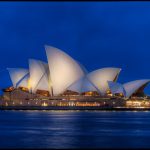
The Sydney Opera House played a central role in the day of remembrance, with candlelight and tributes accompanying speeches and prayer, framing grief with a message that “Light will win,” the theme chosen by the Bondi Chabad community for the day. Families of victims lit 15 candles, one for each life taken in the attack.
Mourning Rituals and Cultural Expression
Jewish mourning traditions were woven into the national commemoration both at Bondi and in broader communities. Near the attack site, memorial stones — a Jewish symbol of remembrance — were placed by visitors and mourners, taking the place of wilting flowers to signify enduring memory.
In Jewish culture, simple acts of remembrance such as placing stones and lighting candles stand as powerful testaments to those lost. Across sites from Bondi Pavilion to local synagogues, people embraced one another in a shared expression of sorrow and support.
Government and Community Leaders Speak
Political leaders and community representatives spoke at memorials to underscore national solidarity. Albanese joined dignitaries at the Opera House, offering an emotional apology and expressing sorrow that Australian society had witnessed such violence. He vowed to combat antisemitism and strengthen protections for all communities in the wake of the attack.
NSW Premier Chris Minns and other officials emphasised collective healing and community resilience, acknowledging that the grief extended beyond the Jewish community to the wider Australian public.
Candlelight, Silence and Acts of Kindness
In homes, workplaces and community centres across the country, Australians embraced symbolic acts of remembrance and unity. Many placed candles in their windows or on doorsteps, a gesture that transformed private spaces into part of a broader mosaic of national mourning.
Communities also rallied around the idea of mitzvah — acts of kindness and compassion — as encouraged by Jewish community leaders and government guidance. Simple actions such as preparing meals for those in need, checking in on vulnerable neighbours and supporting charitable causes became part of the collective response.
Personal Stories of Loss and Heroism
The victims of the Bondi shooting included individuals from diverse backgrounds whose lives had intertwined with the fabric of Australian society. Among those remembered were people like Alex Kleytman, an 87-year-old Holocaust survivor who died shielding his wife during the attack — a final act of courage that captured the deep humanity behind the tragedy.
Families, friends and even strangers shared stories of heroism and compassion from the night of the attack. Videos and recollections illustrated not only the horror but also the courage shown by community members who tried to save lives amid chaos.
Healing in the Aftermath
In addition to mourning rituals, the national day served as a platform for broader reflection on issues of safety, social cohesion and community resilience. The attack exposed vulnerabilities in national security and prompted urgent discussions about preventing hate-motivated violence in the future.
In the weeks following the attack, the Australian Parliament passed strengthened gun control and anti-hate speech laws, including a gun buyback scheme and enhanced licensing checks — efforts aimed at reducing the risk of similar tragedies.
A Nation United in Memory
The silence that swept across Australia on the National Day of Mourning was more than a pause in routine — it was a collective act of remembrance and compassion, signalling a country united in grief and determined to uphold values of tolerance and inclusion. From candlelit vigils to shared moments of silence, Australians honoured the memory of those lost at Bondi Beach while reaffirming a commitment to community and resilience in the face of tragedy.
7 years in the field, from local radio to digital newsrooms. Loves chasing the stories that matter to everyday Aussies – whether it’s climate, cost of living or the next big thing in tech.