

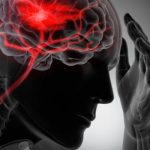



The buzz in your pocket. The banner lighting up your screen. The quiet pull to check “just one” alert. For millions of people, notifications have become a constant background presence — shaping attention, mood, and even behavior. While they seem harmless, neuroscience shows that checking notifications triggers powerful reactions in the brain, many of them tied to reward, anticipation, and stress. Understanding what happens inside your head can explain why notifications are so hard to ignore — and why they can quietly drain focus over time.
The Dopamine Loop: Why Notifications Feel So Compelling
When a notification arrives, the brain doesn’t simply register new information. Instead, it activates the dopamine system, the same neural pathway involved in motivation, learning, and reward. Dopamine is often misunderstood as a “pleasure chemical,” but neuroscientists emphasize that it is more accurately a prediction and anticipation signal.
When you see or hear a notification, your brain asks: Could this be something important? Something rewarding? That uncertainty — not knowing whether it’s good news, social validation, or irrelevant noise — creates a spike in dopamine. This anticipation is what makes checking feel urgent.
Over time, the brain learns to associate notification cues (sounds, vibrations, visual badges) with the possibility of reward. This conditioning means that even neutral alerts can trigger a strong urge to respond, reinforcing habitual checking behavior.
The Attention Switch: How Notifications Interrupt Focus
Each notification forces the brain to make a rapid decision: ignore it or engage. Neuroscience research shows that this context switching comes at a cognitive cost. Even brief glances at a notification can disrupt deep focus, because the brain doesn’t fully “switch off” the previous task before shifting attention.
What’s more, after checking a notification, the brain often remains partially alert for additional incoming alerts. This heightened state of vigilance makes it harder to return to sustained concentration. The result is a fragmented attention pattern — not because tasks are difficult, but because the brain is constantly resetting its focus.
Over a full day, these micro-interruptions accumulate, contributing to mental fatigue and reduced productivity, even if each individual check lasts only a few seconds.
What Happens in the Brain Within Seconds of a Notification
Neuroscientists note that a single notification can trigger several reactions almost simultaneously. When your phone lights up, the brain often experiences:
- A dopamine spike linked to anticipation and uncertainty
- A rapid attention shift away from the current task
- Activation of social-evaluation centers, especially for messages
- A mild stress response if the alert feels urgent or unexpected
- Increased vigilance for additional incoming notifications
These reactions happen quickly and largely outside conscious awareness, which is why notifications feel so disruptive even when we believe we are ignoring them.
Social Signals and the Brain’s Need for Belonging
Notifications tied to messages, likes, or comments activate more than attention systems — they engage the brain’s social processing networks. Humans are wired to monitor social cues, and digital notifications have effectively become modern social signals.
When a message arrives, areas of the brain involved in social evaluation and emotional response light up. Positive notifications can trigger feelings of connection or validation, while delayed or absent responses can activate anxiety or self-doubt. This explains why people often feel compelled to check notifications even without a sound or alert — the brain anticipates social feedback.
Over time, this can create a feedback loop where self-worth becomes subtly linked to digital responses, reinforcing frequent checking as a way to manage emotional uncertainty.
Stress Chemistry: Cortisol and Constant Alertness
Not all notification responses are rewarding. Many trigger stress hormones, particularly cortisol. Work emails, news alerts, or urgent messages can place the brain into a low-level fight-or-flight mode, especially when notifications arrive unpredictably.
The brain thrives on patterns. Random interruptions keep it in a state of alertness, scanning for potential threats or demands. When this happens repeatedly throughout the day, the nervous system doesn’t fully reset. Even when notifications aren’t actively checked, the expectation of interruption can increase baseline stress levels.
This helps explain why people often report feeling mentally “on edge” after long periods of screen engagement, even if nothing particularly stressful occurred.
Habit Formation: How Checking Becomes Automatic
Repeated notification checking gradually shifts from a conscious decision to an automatic habit. Brain regions involved in habit formation begin to take over, reducing the need for deliberate thought. At this stage, people may unlock their phones without knowing why, or open apps reflexively.
Crucially, habits driven by variable rewards — sometimes meaningful, sometimes not — are especially resistant to change. The brain keeps checking because occasionally there is something valuable. That unpredictability strengthens the habit more than consistent rewards ever could.
This is why simply “using willpower” often fails. The behavior is no longer fully under conscious control.
Can the Brain Recover Its Balance?
The brain is highly adaptable. Reducing notification frequency, batching alerts, or creating notification-free periods allows attention systems to recalibrate. When interruptions decrease, the brain gradually regains its ability to sustain focus and reduce baseline stress.
Studies suggest that even short breaks from constant alerts can improve working memory, emotional regulation, and perceived calm. Importantly, the goal isn’t eliminating notifications entirely, but restoring intentional control over when and how the brain engages with them.
7 years in the field, from local radio to digital newsrooms. Loves chasing the stories that matter to everyday Aussies – whether it’s climate, cost of living or the next big thing in tech.