A 69-year-old Sydney woman was left with serious spinal injuries after an alleged forceful interaction with police at a protest against Israeli President Isaac Herzog’s visit to Australia. The incident has reignited debates over policing tactics, civil liberties, and public safety in the wake of widespread demonstrations in the city.
Injury Details and Incident at Protest
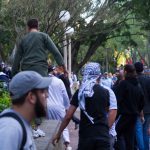
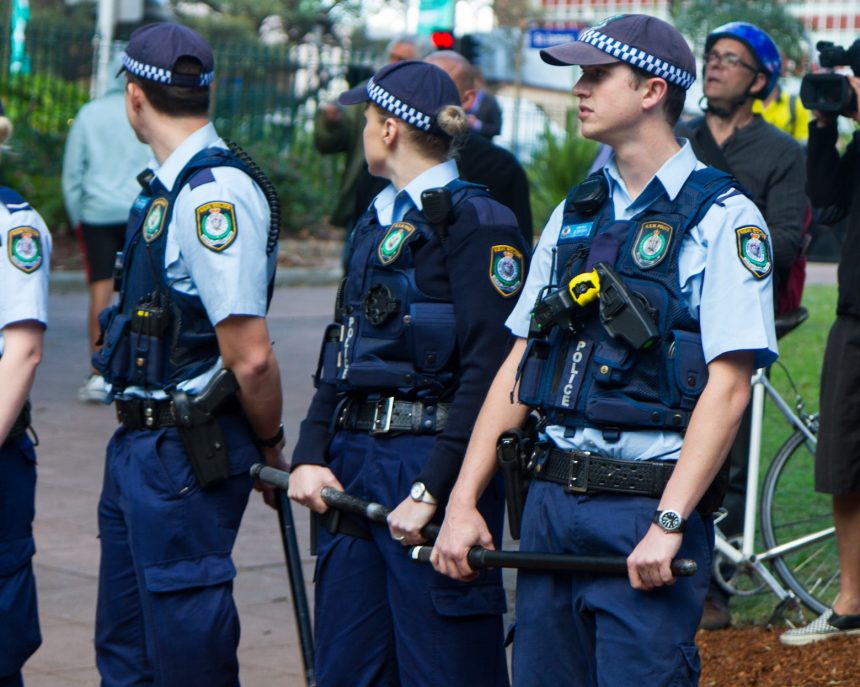
The woman, identified as Jann Alhafny, was hospitalised with four broken vertebrae after what she described as a “violent” push by a police officer during the demonstration in Sydney’s central business district. The injury occurred as she was allegedly trying to leave the protest when a riot squad advanced on the crowd. Videos shared on social media — and accounts from other participants — show chaotic scenes with police officers and protesters in close contact.
Alhafny recounted being pushed to the ground, suffering a severe back injury as she hit the concrete. According to witnesses, other protesters also fell on top of her in the commotion. She was later assisted by fellow demonstrators and transported to hospital, where scans confirmed multiple vertebral fractures.
Context of the Demonstration
The protest took place on 9 February 2026 in opposition to Herzog’s state visit, which was marked by heightened tensions following a recent terror attack at Bondi Beach and contentious political debates over Middle East policy in Australia. Tens of thousands of supporters and opponents gathered in multiple locations, with substantial police deployment to manage crowds.
Authorities had earlier invoked special “major event” policing powers and a court upheld police authority to limit marches and control movements during the protests — decisions that contributed to the confrontational atmosphere.
Police Response and Official Statements
NSW Police have acknowledged the broader unrest and made dozens of arrests at the demonstration, stating that officers used measures including pepper spray to prevent unauthorised marching and ensure public safety. While police confirmed 27 individuals were detained, including some who allegedly assaulted officers, they have not directly addressed Alhafny’s specific injury.
Assistant Commissioner Peter McKenna defended police action, asserting that officers faced “violent behaviour” and needed to react accordingly as crowds defied legal restrictions on movement. Police insist their conduct was aimed at maintaining order under challenging circumstances.
Reactions from Public Figures and Advocates
The injury to Alhafny has drawn sharp criticism from civil liberties advocates and political figures calling for accountability. Sydney Lord Mayor Clover Moore urged an independent investigation into the police response, stating that such serious injuries demand scrutiny and transparency. Opponents of the protest laws argue that broad powers granted to police have increased the risk of harm to ordinary demonstrators.
Labor MP Stephen Lawrence blamed recent anti-protest legislation for escalating tensions, suggesting that the mix of legal restrictions and aggressive policing tactics contributed to the confrontations.
Broader Debate on Policing and Protest Rights
The incident involving Alhafny comes amidst a wider national conversation about the right to demonstrate and how law enforcement balances civil liberties with public order. Critics say that the use of force and sweeping powers to suppress marches risk undermining democratic freedoms, particularly when peaceful protesters are caught up in crowd control actions.
At the same time, government leaders, including NSW Premier Chris Minns and Prime Minister Anthony Albanese, have defended police decisions as necessary under volatile conditions and pointed to broader security concerns during high-profile visits and events. They have called for calm and reiterated support for lawful protest, even as they justify stringent responses to unauthorised actions.
Impact and Ongoing Inquiries
Alhafny’s injuries have prompted calls from community groups for a broader review of how protests are policed in Australia’s largest city — particularly where large crowds and conflicting interests intersect with global political issues. Legal experts and rights advocates say that any independent inquiry should examine not just isolated incidents but the frameworks governing protest regulation and use of force.
As Alhafny continues her recovery in hospital and more demonstrations are planned, the public debate over protest rights and policing strategy is expected to remain a central theme in Sydney’s civic life.
7 years in the field, from local radio to digital newsrooms. Loves chasing the stories that matter to everyday Aussies – whether it’s climate, cost of living or the next big thing in tech.