

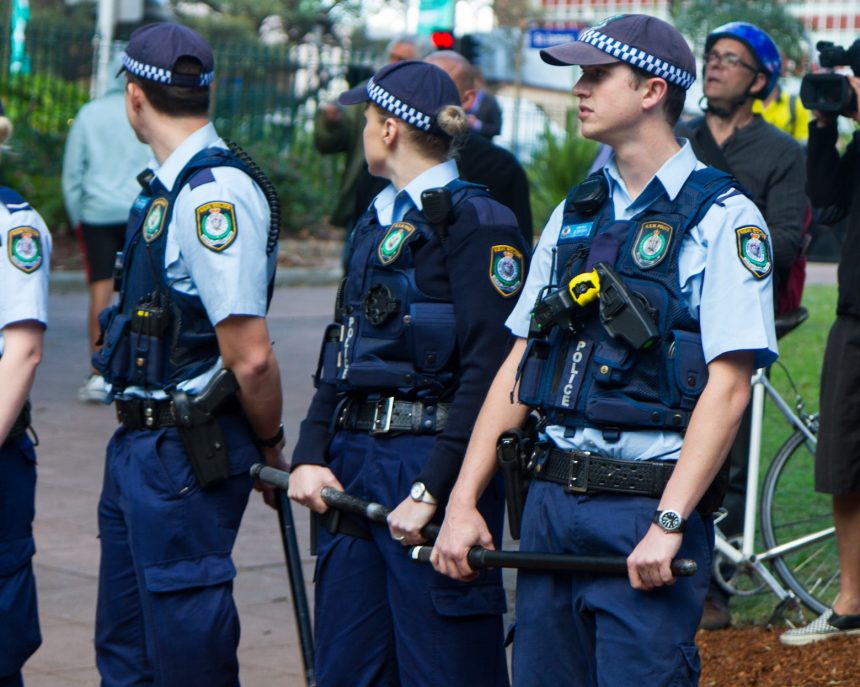
Sydney — An independent police watchdog will launch a formal investigation into the conduct of New South Wales (NSW) Police following violent clashes at a protest in Sydney on 9 February 2026 against the visit of Israeli President Isaac Herzog, authorities and civil liberties groups confirmed on 13 February. The move comes amid mounting public scrutiny of police tactics and widespread complaints alleging excessive force against demonstrators, including physical assaults and mishandling of a largely peaceful rally.
What Triggered the Investigation
The Law Enforcement Conduct Commission (LECC) — an independent body responsible for overseeing police behaviour in NSW — said it would investigate the Town Hall demonstration and how officers handled the protest, which was one of several held across Australia during Herzog’s visit. LECC announced the inquiry after receiving a significant number of complaints alleging misconduct, including the use of physical force, pepper spray and the disruption of prayer gatherings during the rally.
The commission said it would review all available material, including video footage, phone recordings and police documents, and planned to hold hearings as part of the investigative process. At the conclusion of the inquiry, LECC will present a public report to the NSW Parliament detailing its findings.
Context of the Anti-Herzog Protest
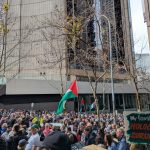
The protest in Sydney was organised by groups opposed to Herzog’s visit, which coincided with heightened tensions following recent violence in the Middle East and a deadly attack at Bondi Beach that became a focal point of community grief and political debate. Demonstrators — estimated in the thousands — gathered outside Town Hall to voice opposition to the president’s presence, chanting and carrying signs in support of Palestine.
Confrontations began after police, citing security concerns and court-imposed restrictions on public assemblies in parts of the central business district, sought to control movement and disperse the crowd. Video shared widely on social media later showed officers using pepper spray, restraining individuals and engaging in physical altercations as tensions escalated.
Allegations of Excessive Force and Public Reaction
Witnesses and advocacy organisations described scenes that many characterised as excessive and disproportionate. Footage captured officers physically restraining and, in some cases, punching protesters, including individuals lying on the ground, while others were pepper-sprayed as police moved to break up the gathering. Human Rights Watch and legal observers cited these actions as potentially beyond accepted policing standards and urged independent scrutiny of officers’ conduct.
Several protesters also accused police of disrupting Muslim prayer, alleging officers dragged individuals mid-prayer and did so despite prior instructions from supervising officers to wait until prayers concluded. The Islamophobia Register and community leaders said such incidents harmed trust and called for accountability.
Political and Public Debate
The clashes drew sharp political commentary. NSW Premier Chris Minns defended the police response, saying officers acted under “challenging” circumstances and did what was necessary to maintain public safety, noting that some demonstrators attempted a march that was unlawful under a Public Assembly Restriction Declaration. Other politicians, including members of the Greens and some Labor figures, voiced concern over police behaviour and the risks posed to civil liberties.
Calls grew for not only the LECC investigation but also for broader review of how police manage demonstrations, particularly those involving contentious international issues. Advocates for protest rights argued that police tactics and expanded powers in designated areas risked undermining freedom of assembly in a democratic society.
Role and Authority of the Law Enforcement Conduct Commission
The Law Enforcement Conduct Commission is the primary civilian oversight body in NSW charged with handling complaints of police misconduct. It holds statutory power to investigate allegations of serious breaches and systemic issues within law enforcement, and to monitor critical incidents involving police interactions with the public. The commission’s findings — while not always resulting in direct disciplinary action — can lead to recommendations for policy changes, accountability measures and greater transparency in policing practices.
Investigations by the LECC have previously scrutinised police conduct in other high-profile cases, including earlier protest policing controversies, reinforcing its role in reviewing contentious use of force and procedure.
What Comes Next
The watchdog investigation will unfold over the coming weeks as LECC gathers evidence, conducts interviews and convenes hearings. The outcome could have implications for NSW Police’s future handling of large demonstrations, especially as tensions over international and domestic political issues persist.
Premier Minns and Police Minister Yasmin Catley have urged patience and respect for the investigative process, stressing confidence in the LECC’s ability to conduct a thorough and impartial review. Community advocates, however, continue to demand accountability and, in some cases, a public apology for actions seen as unjustified or harmful to protest rights.
Broader Implications for Freedom of Assembly
The investigation arrives at a sensitive time for public discourse on freedom of expression and assembly in Australia. Legal experts and civil liberties groups will be closely watching how the LECC report frames police tactics and whether it calls for changes to protest management policies. The findings may influence future legislation, police training reforms and judicial interpretations of lawful protest rights.
As Sydney and other cities prepare for more demonstrations on a range of issues, law enforcement agencies may face renewed pressure to balance public order with the fundamental rights of citizens to protest peacefully — a balance that will be central to Australia’s democratic fabric in the years ahead.
7 years in the field, from local radio to digital newsrooms. Loves chasing the stories that matter to everyday Aussies – whether it’s climate, cost of living or the next big thing in tech.