


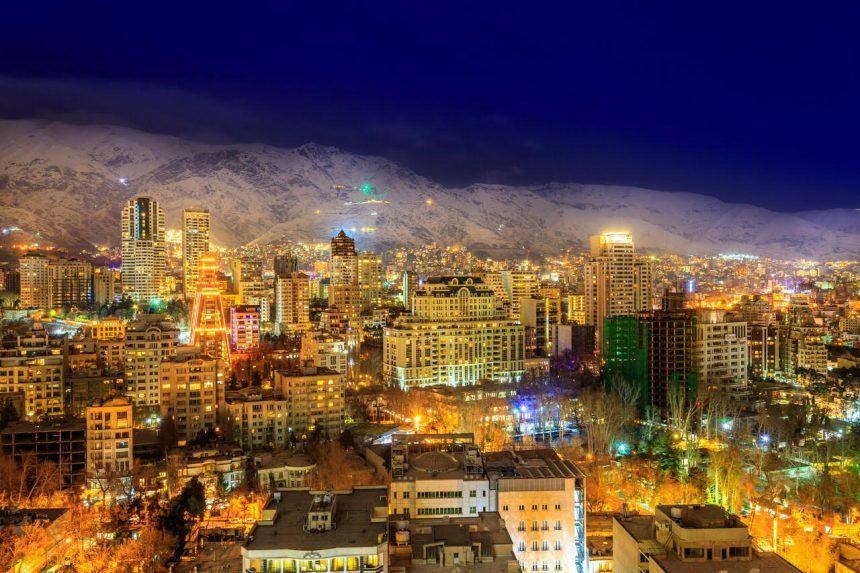
Tehran — Iran has signalled a notable shift in tone toward the United States, saying it is prepared to discuss compromises that could revive a nuclear agreement, provided Washington is willing to engage on sanctions relief. The comments from Tehran come as indirect talks between Iranian and U.S. envoys resume this week in Geneva under Omani mediation, opening a delicate window for diplomacy amid heightened regional tensions. Iran
Tehran’s offer: conditional flexibility on enrichment
In an interview broadcast by the BBC, Majid Takht‑Ravanchi — Iran’s deputy foreign minister — said Tehran is willing to consider “compromises” on its nuclear programme if the United States shows seriousness about lifting economic sanctions. He cited concrete steps Tehran might take, including diluting its most highly enriched uranium, but reiterated that Iran would not accept a demand for zero enrichment. The remarks mark the clearest public indication yet that Tehran could trade verifiable nuclear constraints for meaningful sanctions relief.
The diplomatic calendar: Geneva talks under way
Swiss and Omani officials have confirmed a new round of indirect U.S.–Iran talks in Geneva this week, following preliminary contacts in Muscat and earlier meetings in Oman. The U.S. delegation — reported to include envoys tasked with Middle East and nuclear diplomacy — is expected to press Tehran on reductions in enrichment and verification measures, while Iran will push for the unfreezing of assets and lifting of financial and oil-related sanctions. Observers say the parallel scheduling of talks and public statements from both capitals suggests negotiators are attempting to manage expectations while preserving negotiating leverage on each side. Geneva
What Iran appears willing to offer — and resist
Iranian officials have floated specific concessions as bargaining chips. Among them is the possibility of diluting uranium enriched to near-weapons levels and allowing more intrusive monitoring by the International Atomic Energy Agency (IAEA) — steps that would roll back parts of Tehran’s rapid post-2018 expansion of enrichment capacity. Yet Tehran has repeatedly drawn a red line around the demand for zero enrichment, arguing that peaceful enrichment is a sovereign technological right. Iranian statements also make clear that ballistic missiles and regional security activities remain outside the scope of these talks, a stance that complicates the preferences of some regional actors, notably Israel. IAEA
U.S. posture and the leverage question
Washington’s public posture has been mixed. U.S. officials say they are willing to return to diplomacy but insist Iran must demonstrate verifiable rollbacks of its nuclear activities. The Trump administration — which oversaw the U.S. withdrawal from the 2015 nuclear accord and re-imposed sweeping sanctions — has signalled both a desire for a deal and a readiness to apply military pressure if diplomacy fails. Analysts note that the central bargaining tension remains classic: Tehran demands sanctions relief that restores economic breathing room; Washington seeks guarantees against a rapid re-emergence of a nuclear weapons pathway. Donald Trump
Regional actors and the missile question
Even if Tehran and Washington find common ground on enrichment, the negotiations face another politicised dimension: regional states — particularly Israel and some Arab Gulf countries — insist any comprehensive arrangement should address Iran’s ballistic missile programme and support for armed groups across the Middle East. Tehran has firmly rejected linking those issues to the nuclear talks, and some regional foreign ministers have warned that expanding the agenda could risk derailing the process or even provoke wider conflict. Turkey’s foreign minister and other regional figures have urged restraint, arguing expansion of the talks to include missiles could “risk nothing but another war.” Recep Tayyip Erdoğan
Domestic politics in Tehran and Washington
Internal politics will shape how far each side can move. In Tehran, the leadership must balance nationalist currents and hardline scepticism about U.S. intentions against a population battered by inflation and constrained oil revenues — pressures that make sanctions relief politically attractive. In Washington, officials must persuade domestic constituencies and congressional actors skeptical of concessions to Iran that safeguards and verification are robust enough to protect U.S. security interests. Both capitals are acutely aware that any breakthrough will be politically delicate and require careful sequencing.
The technical mechanics: verification, dilution and monitoring
Negotiators will confront hard technical and legal questions: how to verify dilution of highly enriched uranium, what inspections regime will be acceptable to both sides, and how to sequence sanctions relief against verified nuclear commitments. The IAEA’s role will be crucial; the agency would need access and capabilities to monitor stockpiles, centrifuge configurations and facility activities. Legal instruments — from short-term confidence-building measures to a more durable framework reminiscent of the Joint Comprehensive Plan of Action (JCPOA) — will be debated. Experts caution that achieving durable verification in a politically fraught environment is challenging but not impossible if both sides accept clear, enforceable benchmarks. JCPOA
Risks: timing, spoilers and the shadow of conflict
The talks occur amid an elevated risk environment. Military preparations and threats of strikes have been reported by open sources, and hardline actors on both sides or among regional partners could attempt to sabotage progress. Moreover, if either side inflates expectations and a deal fails to materialise, the political fallout could be severe — eroding diplomatic credibility and increasing the odds of escalation. International observers stress that patient, technical diplomacy accompanied by discreet confidence-building steps offers the best chance of preventing a return to kinetic confrontation.
What to watch this week
Diplomats and analysts will be watching several indicators in the immediate term: whether teams in Geneva can agree a short, practical roadmap; whether Tehran specifies the legal form of sanctions relief (temporary vs. comprehensive); whether the IAEA’s access demands are accommodated; and how regional capitals react publicly. A modest, verifiable first-step deal — such as temporary limits on certain enrichment activities in exchange for staged sanctions relief and enhanced inspections — could create momentum for a broader accord. Failure to agree on sequencing or verification, by contrast, could see negotiations stall quickly.
Conclusion: cautious hope amid fraught diplomacy
Iran’s public readiness to discuss compromises is a significant diplomatic signal — but it is only the start of a difficult process. For a sustainable agreement, both Tehran and Washington will need to reconcile divergent red lines, manage hardline domestic constituencies, and build a verification architecture that judges the other side’s commitments as credible. The coming days in Geneva will test whether recent public pronouncements translate into the technical give-and-take required to avert another regional crisis.
7 years in the field, from local radio to digital newsrooms. Loves chasing the stories that matter to everyday Aussies – whether it’s climate, cost of living or the next big thing in tech.