




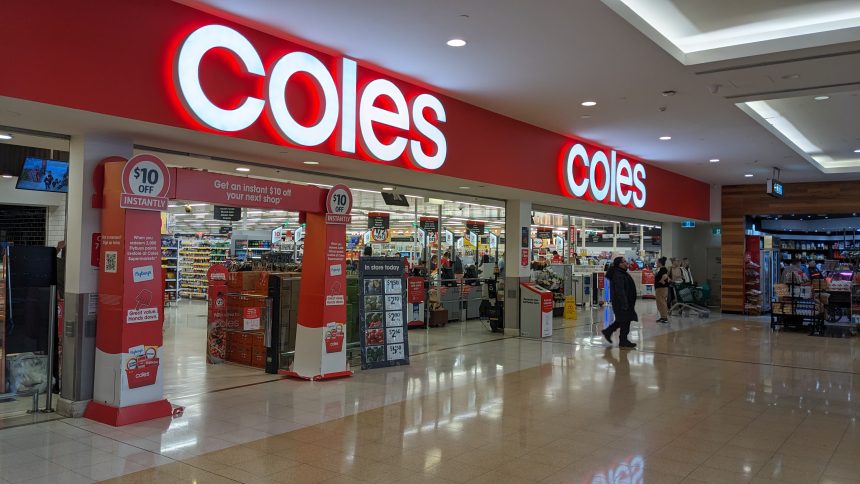
Supermarket Giant Under Fire in Federal Court Over Pricing and Supplier Conduct
Australia’s second-largest supermarket chain Coles has admitted in federal court that it used coercive negotiation tactics with at least one supplier, threatening to remove products from its shelves unless the supplier acceded to its pricing demands as part of its long-running “Down Down” discount campaign. The admission came during a high-profile legal battle orchestrated by the Australian Competition and Consumer Commission (ACCC), which accuses the retailer of misleading consumers and manipulating pricing to create the appearance of savings.
The case, heard in the Federal Court in Melbourne, has spotlighted Coles’ commercial practices and sparked debate about the ethics and legality of supermarket discounting in an era of high inflation and consumer cost-of-living pressures.
Admission of Pressure Tactics in Supplier Negotiations
During testimony, Coles acknowledged that it had put pressure on a supplier — identified in court documents as Real Pet Food Company, maker of Nature’s Gift pet food — by threatening to delist products if the supplier did not agree to rebate and pricing terms that would support Coles’ promotional strategy.
Internal emails read to the court revealed that Coles personnel offered the supplier a “steer” on what investment the supermarket wanted in exchange for accepting a cost-price increase request — a negotiation tactic the ACCC characterised as veiled coercion.
Coles acknowledged writing those emails in the course of attempting to manage costs and promotional pricing. However, when pressed, a Coles representative conceded that the primary driver behind many pricing decisions was boosting sales volumes rather than purely passing benefits to customers.
ACCC Targets ‘Down Down’ Promotions as Misleading
The supermarket brand’s “Down Down” price-cutting campaign — first launched more than a decade ago — is at the centre of the ACCC’s case, which alleges that Coles deliberately inflated prices before slashing them to create the impression of dramatic discounting. The watchdog argues this misled consumers about the true value of the offers.
Under questioning, Coles defended the policy, saying it was designed to communicate long-term value to customers and to help households manage grocery costs in a volatile inflationary environment. The company claimed that shoppers largely interpreted the “Down Down” tags as genuine price reductions.
Court filings also revealed that Coles received rebates from suppliers when products were included in such promotional campaigns — a commercial arrangement that, according to the ACCC, further complicates whether the discounts were in customers’ interests or primarily benefited the retailer.
Examples Presented as Evidence
The ACCC cited numerous examples of allegedly misleading pricing during the hearing. One involved a Nature’s Gift pet food product originally sold at $4 for nearly a year, briefly increased to $6, and then listed at a “Down Down” discounted price of $4.50 — still above the product’s prior long-term price, according to the evidence presented.
Such examples have been used by the regulator to argue that the discount labels created an illusion of savings that did not exist in reality. The ACCC asserts that hundreds of everyday items, including snacks, pet products and household goods, were promoted in this way between February 2022 and May 2023.
Industry Context and Regulatory Pressure
The litigation against Coles is part of a broader move by the ACCC to scrutinise supermarket pricing practices in Australia. A similar lawsuit has been launched against rival retailer Woolworths over its own discounting campaigns, suggesting growing regulatory scepticism about major chains’ promotional strategies.
Consumer advocates say the case could have wide-ranging implications for retail pricing transparency and supermarket competitiveness, especially as Australians grapple with cost-of-living challenges. If the court rules in favour of the ACCC, Coles could face significant penalties and remedial orders, including possible community service obligations.
Coles’ Defence and Future Legal Strategy
Coles’ legal counsel has argued that pricing fluctuations during the promotional period were influenced by inflationary cost pressures and supply-chain challenges that supermarkets and suppliers alike faced during the post-COVID years. They have maintained that the promotional prices offered genuine value relative to prevailing market conditions.
Senior executives for the company have been called to testify about internal pricing “guardrails” — rules intended to avoid misleading discounting — although some witnesses acknowledged that those guardrails were not always followed precisely.
Coles says that it cares about customers and believes the court will ultimately determine that its pricing strategies were lawful and not deceptive. The proceedings are ongoing, and a full judgment is not expected until later in the year.
Consumer Impact and Broader Market Implications
For shoppers, the case raises questions about how discounting campaigns are marketed and whether they reflect genuine savings or strategic pricing gamesmanship. Industry analysts say the outcome could influence how retailers disclose price histories and design promotions in future — potentially setting new standards for transparency in Australian retail.
Economists and consumer groups have also suggested that greater regulatory clarity may be needed to ensure everyday buyers can make informed choices and not be misled by promotional rhetoric in an already cost-sensitive market.
7 years in the field, from local radio to digital newsrooms. Loves chasing the stories that matter to everyday Aussies – whether it’s climate, cost of living or the next big thing in tech.