



United Nations Report Identifies Genocidal Patterns in al-Fashir Assault
The United Nations has concluded that atrocities committed during the Rapid Support Forces’ (RSF) capture of al-Fashir, a major city in Sudan’s Darfur region, bear the “hallmarks of genocide,” in an alarm-raising new independent investigation. The finding, released on 19 February 2026, implicates systematic crimes against non-Arab communities — especially the Zaghawa and Fur ethnic groups — in actions that may meet core legal criteria for genocide under international law.
The Independent International Fact-Finding Mission for Sudan, appointed by the UN Human Rights Council, documented a pattern of ethnically targeted mass killings, widespread rape and sexual violence, torture, arbitrary detention, enforced disappearance and deliberate deprivation of life-sustaining conditions that together indicate an intent to destroy protected groups “in whole or in part.” The report’s authors emphasised that the atrocities were coordinated and not random by-products of armed conflict.
Attack on al-Fashir: Siege and Surge of Violence
The city of al-Fashir, which had been one of the last strongholds of the Sudanese Armed Forces (SAF) in Darfur, fell to the RSF at the end of October 2025 after an 18-month siege. Researchers say the conditions imposed during the siege and the subsequent offensive culminated in a campaign of destruction targeted at ethnic communities residing in and around the city.
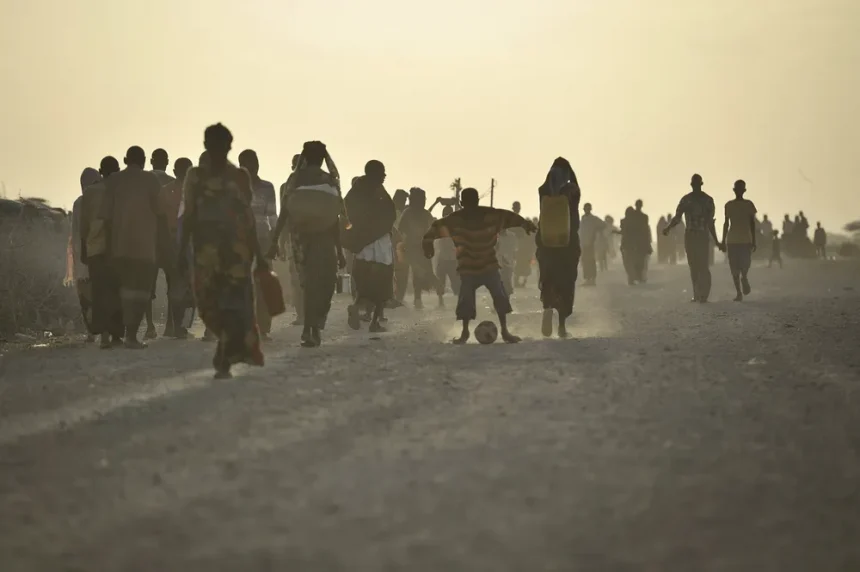
According to the fact-finding team, life-threatening conditions — including starvation, relentless bombardment and denial of humanitarian aid — followed by mass violence left thousands of civilians unable to flee or survive. Survivors described executions, looting, beatings and sexual violence that were inflicted in a coordinated and dehumanising manner.
Genocide Indicators and Legal Framework
Under the 1948 Genocide Convention, genocide is defined as acts committed with the intent to destroy, in whole or in part, a national, ethnical, racial or religious group. The UN mission found that RSF actions met at least three of the convention’s core indicators: intentional killing, causing serious bodily or mental harm, and deliberately imposing conditions of life aimed at bringing about physical destruction.
Mission Chair Mohamed Chande Othman noted that the explicit targeting and repeated violent acts were not random abuses but part of a planned and organised operation. Survivors recounted RSF members making exterminatory statements such as “If we find Zaghawa, we will kill them all,” an assertion underscoring genocidal intent.
Scope of Atrocities and Human Toll
While precise casualty figures remain contested, the mission reported that thousands of civilians — including men, women and children — were killed, raped or disappeared during the RSF’s assault on al-Fashir. Only about 40 % of the city’s estimated 260,000 residents managed to escape the offensive, many of them wounded or traumatised.
The fact-finding team also raised alarm about the widespread sexual violence committed against women and girls from targeted groups, and the deliberate undermining of essential services and shelter — a strategy that left survivors exposed and vulnerable.
Wider Conflict and Humanitarian Implications
Sudan’s brutal civil war — which erupted in April 2023 between the SAF and RSF — has triggered one of the world’s largest humanitarian crises. According to United Nations estimates, the conflict has left tens of thousands dead and displaced millions, with vulnerable communities bearing the brunt of violence and deprivation.
The broader context of the conflict includes reports of atrocities in multiple regions, with rights groups documenting widespread abuses by various armed actors. The new findings reinforce longstanding concerns about ethnically motivated violence in Darfur, a region with a tragic history of conflict and mass suffering.
International Response and Calls for Accountability
The UN mission’s report underscores the urgent need for international action to protect civilians, prevent further genocidal acts and hold perpetrators accountable. It calls on states and international bodies to take effective measures to halt violence and ensure justice for victims.
Foreign governments and rights advocates have condemned the RSF’s actions, reiterating that crimes of such scale and intent demand robust global responses. British Foreign Secretary Yvette Cooper, for example, described the situation as horrific and called for intensification of diplomatic and humanitarian efforts.
Challenges to Prevention and Future Risks
Despite early warnings of escalating atrocities in Darfur, effective preventative measures have so far failed to stop the violence. Experts warn that without decisive global intervention, the risk of further genocidal acts remains serious as the conflict expands into other areas. The report also highlights the need for accountability mechanisms that can pursue justice against those responsible for the most egregious violations.
Conclusion: A Grim Milestone in Sudan’s War
The United Nations’ determination that RSF actions during the capture of al-Fashir display features consistent with genocide marks a pivotal and troubling moment in Sudan’s protracted conflict. With documented evidence of systematic targeting of ethnic groups and large-scale violence, the report amplifies global urgency to address violations that have devastated civilian populations and defied longstanding norms of international humanitarian law.
As the world watches, the international community faces growing pressure to act — whether through diplomatic leverage, humanitarian assistance or legal accountability — to protect lives and uphold global commitments against genocide and mass atrocity.
7 years in the field, from local radio to digital newsrooms. Loves chasing the stories that matter to everyday Aussies – whether it’s climate, cost of living or the next big thing in tech.