




Canberra Signals Strong Response to U.S. Trade Move
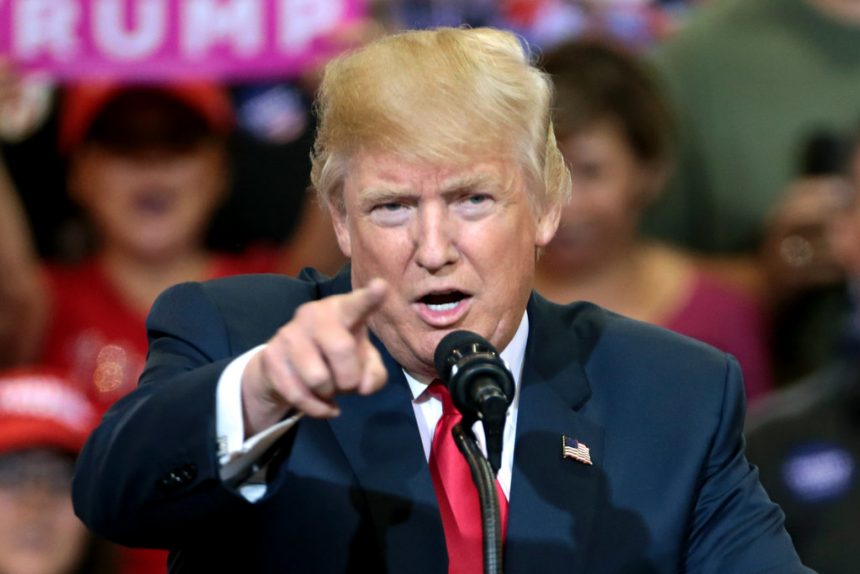
The Australian government has pledged to explore all possible responses after United States President Donald Trump announced a new 15 per cent tariff on imports from countries around the world — a significant escalation that could affect Australian exports and fray relations between Canberra and Washington. Trade Minister Don Farrell said Australia would work with its embassy in Washington and other partners to assess the implications and identify options to protect national economic interests.
The announcement follows a U.S. Supreme Court ruling that struck down much of Trump’s earlier tariff program, prompting the president to quickly adopt an alternative tariff structure under U.S. law. The new 15 per cent levy is slated to apply generally to foreign imports for 150 days, heightening uncertainty for global markets and exporters.
Tariff Change Follows Court Decision and Legal Shifts
Earlier this week, the U.S. Supreme Court invalidated tariffs imposed by President Trump under the International Emergency Economic Powers Act (IEEPA), a ruling welcomed by Australia and other trading partners who had challenged the legality of the measures. That decision effectively rolled back much of the previous tariff regime, including the 10 per cent baseline tariff applied to many Australian exports.
Trump responded by quickly unveiling a new global 15 per cent tariff under a separate statutory authority — triggering concern among trading partners about unpredictability in U.S. trade policy. Australia, which had been spared higher duties under the IEEPA regime, now risks having its exports hit at the higher tariff rate.
Trade Minister Farrell noted that the Australian government has “consistently advocated against these unjustified tariffs” and said officials are in active discussions with Australia’s embassy in Washington and engaging with U.S. counterparts to evaluate the path forward.
Economic Stakes for Australia’s Export Sector
Australian exporters faced a patchwork of U.S. tariffs even before the new 15 per cent levy was introduced. Under existing measures, a baseline 10 per cent tariff had been applied to Australian goods, alongside higher duties on specific products such as certain steel and vehicle parts categories. The increase to a uniform 15 per cent rate could further dampen Australia’s competitiveness in the U.S. market.
Economists say the move may have a modest direct impact on trade volumes initially, but it adds to ongoing uncertainty that could ripple through investment, supply chains and business planning. The United States remains one of Australia’s larger export markets, and any sustained tariff barriers could prompt strategic shifts by exporters seeking alternative markets in Asia, Europe and beyond.
Industries likely to feel pressure include sectors such as machinery, medical equipment, beef, dairy and specialised manufactured goods, all of which compete in price-sensitive markets. Analysts also point out the chill effect that unpredictable trade policy can have on business confidence.
Diplomatic Dimensions and Trade Relations
Canberra’s response reflects broader strategic concerns about predictability in international trade, particularly with long-standing partners. Australia and the United States enjoy a long history of cooperation under the Australia–United States Free Trade Agreement (AUSFTA), but recent tariff actions have tested confidence in bilateral economic relations.
Government officials have underscored their support for free and fair trade principles, saying that unilateral tariffs run counter to the rules-based international trade system — a pillar of Australia’s economic diplomacy. Farrell’s comments also suggested Australia is considering not just diplomatic engagement but legal and multilateral avenues through forums such as the World Trade Organization to challenge what Canberra views as discriminatory measures.
Opposition Voices and Industry Reaction
Political reactions within Australia have ranged from caution to criticism. Some opposition figures have called on the government to pursue stronger retaliatory options or to seek exemptions, arguing that Australia’s overall trade surplus with the U.S. and depth of economic ties merit special treatment. Others caution against escalation, stressing the risks of a broader trade standoff.
Trade lobby groups and industry associations have also weighed in, with many urging swift clarification of the tariff regime’s scope and duration. Businesses that operate on thin margins and depend heavily on cross-border supply chains say swift government action is needed to reduce compliance costs and avoid disruption.
Next Steps and Uncertain Outlook
Australia’s examination of “all options” is expected to cover diplomatic negotiations, engagement with U.S. authorities during upcoming bilateral meetings — including at events such as G’Day USA — and potential legal challenges in global trade bodies. A full assessment of economic impacts will likely continue as more details emerge about how the tariff will be implemented and for how long.
In the meantime, Canberra has reiterated that it remains committed to a stable, rules-based trading system and will seek solutions that protect the interests of Australian producers, workers and consumers even as it navigates an increasingly uncertain global trade environment.
7 years in the field, from local radio to digital newsrooms. Loves chasing the stories that matter to everyday Aussies – whether it’s climate, cost of living or the next big thing in tech.