


On weekends in Melbourne, Queen Victoria Market is rarely treated as a place to quickly buy groceries. Instead, it functions as a shared ritual — a recurring social experience that blends food, culture, and identity. While still operating as a working market, its role has evolved far beyond commerce. For many locals, visiting the market is not about necessity but about continuity, atmosphere, and belonging.
This transformation did not happen by accident. It reflects broader shifts in urban life, leisure habits, and how Melburnians define community.
From Utility to Experience
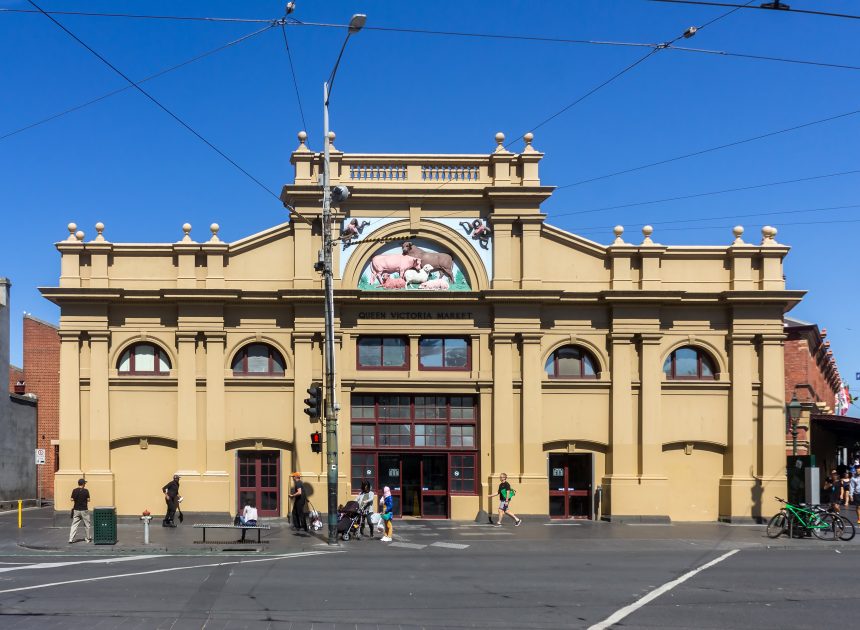
Established in the 19th century, Queen Victoria Market was originally designed to serve practical needs: fresh produce, meat, and dry goods for a growing city. For much of its history, efficiency mattered more than ambience.
As Melbourne modernized and supermarkets absorbed everyday shopping, the market’s functional role diminished. What replaced it was not obsolescence, but reinvention. The market began to offer something supermarkets could not replicate — an experience rooted in place and human interaction.
The Market as a Social Anchor
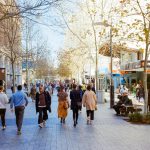
On weekends, Queen Victoria Market becomes a social landscape rather than a retail one. Friends meet without fixed plans, families wander without urgency, and solo visitors linger without purpose beyond being there.
The absence of pressure to buy is central to its appeal. People come to browse, taste, listen, and observe. The market allows for unstructured time in a city where most activity is scheduled and transactional.
For many regulars, the ritual includes:
- Walking the same loose route each weekend without a checklist
- Returning to familiar vendors not out of loyalty, but comfort
Food as a Cultural Connector
Food remains the market’s foundation, but it now functions more as a cultural medium than a commodity. Ready-to-eat meals, coffee, and small indulgences encourage grazing rather than stocking up.
This shift mirrors how food culture itself has changed. Eating is increasingly social and experiential, especially on weekends. The market provides a setting where eating feels communal and spontaneous rather than planned.
Just as importantly, it showcases Melbourne’s multicultural identity. Languages overlap, cuisines coexist, and traditions are displayed openly. The market becomes a living map of the city’s diversity.
Time Slows Down by Design
One of the market’s defining qualities is its resistance to speed. Narrow aisles, crowded walkways, and unpredictable encounters make rushing impractical. This slowness is not a flaw — it is the point.
In contrast to optimized retail environments, the market encourages drifting. People pause for conversations, samples, music, or simply to watch others. The experience rewards presence rather than productivity.
This temporal shift is why many visitors describe the market as restorative. It offers a rare space where doing less feels acceptable, even expected.
The Role of Tradition in Modern Urban Life
Weekend rituals provide psychological stability in fast-changing cities. Returning to the same place, at the same time, creates a sense of rhythm that modern work and digital life often lack.
Queen Victoria Market fulfills this role without formal structure. There is no prescribed way to participate, no entry fee, and no obligation to consume. The ritual is self-defined, which makes it enduring.
Over time, these repeated visits accumulate meaning. The market becomes associated with stages of life — childhood outings, student years, early careers, parenthood — reinforcing emotional attachment beyond function.
Why It Endures While Others Fade
Many historic markets struggle to remain relevant once daily shopping moves elsewhere. Queen Victoria Market survives because it did not attempt to compete on convenience. Instead, it leaned into what cannot be scaled or digitized: atmosphere, unpredictability, and human presence.
Rather than branding itself as an attraction, it remains embedded in ordinary life. That ordinariness is precisely what makes it special.
More Than a Market
Queen Victoria Market is no longer defined by what people buy there. It is defined by what people feel while being there — connection, familiarity, and a temporary release from efficiency.
As a weekend ritual, it reflects how modern urban residents seek meaning not through grand events, but through repeated, shared experiences. The market endures not because it sells things, but because it offers something increasingly rare: a place to simply show up, again and again.
7 years in the field, from local radio to digital newsrooms. Loves chasing the stories that matter to everyday Aussies – whether it’s climate, cost of living or the next big thing in tech.