




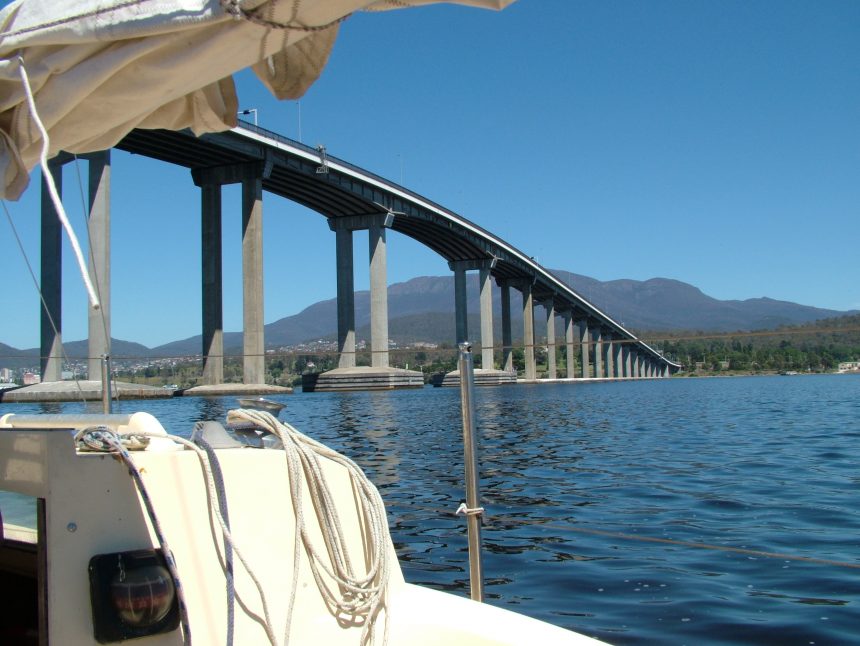
Dramatic Rescues as Severe Gusts Hit River Derwent
Dozens of small boats were overturned and young sailors thrown into the water after strong winds gusting up to 95 km/h struck Hobart’s River Derwent on Saturday afternoon, prompting a major emergency response involving police, rescue helicopters and bystander vessels. At least eight boats capsized during what organisers described as unusually fierce conditions on the water, but all participants were safely rescued and treated for shock and exposure.
The Bureau of Meteorology recorded the powerful wind gusts shortly before 1.20 pm AEDT, when the incident unfolded near Sandy Bay and Long Point. The sudden weather shift took many sailors by surprise during a local racing event, with the Westpac Rescue Helicopter and Tasmania Police leading the search and recovery efforts.
Youth Sailors in the Water but Uninjured
Authorities confirmed that 25 young sailors, aged between 10 and 18, were thrown overboard when their keelboats capsized in the conditions. Thanks to mandatory lifejackets and prompt intervention, all participants were brought safely to shore by about 2.36 pm. Ambulance Tasmania assessed the young sailors at the scene and found no serious injuries, with many shaken and soaked but otherwise unharmed.
Tasmania Police Acting Commander Andrew Keane praised the quick reactions of marine rescue teams and members of the local sailing community, noting that the safety gear and careful participant tracking were key to the positive outcome. “Everyone had their approved lifejacket on — that’s what saved them,” he said.
Event Chaos: Race Abandoned and Rescue Mobilisation
The incident occurred as part of a weekend racing schedule on the Derwent, which had attracted a fleet of small yachts to compete. Organisers reported strong gusts earlier in the day, but the intensity of the winds exceeded expectations and forced a near–immediate abandonment of racing activities.
Rescue operations were swift and multi-faceted: police boats, volunteer vessels and the air rescue helicopter combed the river from Opossum Bay to Blackmans Bay, ensuring all participants were accounted for. Race officials cooperated closely with emergency services, reflecting a coordinated response to sudden and dangerous conditions on the Derwent.
Severe Conditions Contribute to Chaos
The strength and sudden onset of the gusts were notable even by Hobart’s maritime standards. With winds reaching near gale force — around 40 knots (74 km/h) and peaking near 95 km/h — the Derwent became treacherous for small vessels that afternoon. Many of the boats involved were small dinghies and racing yachts that struggled to remain upright in the choppy water and powerful wind pressure.
Local officials have warned of volatile conditions in the Derwent during strong weather events, noting that even experienced sailors can be challenged when conditions deteriorate quickly. While the region regularly sees strong winds owing to its unique geography and proximity to Southern Ocean weather systems, the intensity that struck on Saturday was unexpected for many participants.
Community and Official Praise for Rescue Response
Following the drama on the water, voices from both authorities and the local sailing community expressed gratitude for the swift and effective rescue efforts. Commodore of the Bellerive Yacht Club, Hughie Lewis, highlighted that race officials and rescue crews acted decisively to secure participants, ensuring no injuries occurred despite capsize after capsize.
Emergency services also used the occasion to remind sailors and recreational water users of the importance of wearing lifejackets, filing trip plans and maintaining communication when on the water — measures that undoubtedly contributed to the safe outcome in this event.
Weather Warnings and Future Precautions
The Bureau of Meteorology had issued general warnings about strong winds and unstable conditions across parts of Tasmania that day, but the scale of the gusts on the Derwent exceeded many forecasts, emphasising the challenge of predicting micro-weather events on inland waterways.
In response, sailing clubs and authorities are reviewing safety protocols and communication about weather conditions for future races and community events. This may include stricter cut-offs for races when meteorological data suggests the possibility of dangerous wind gusts, as well as enhanced real-time monitoring during events.
Looking Ahead: Sailing Season Review
While Saturday’s incident concluded without serious injury, it has reignited conversations within Hobart’s maritime community about weather risks, safety training and preparedness. With Tasmania’s spring and summer months traditionally bringing variable winds and shifting weather patterns, race organisers have promised renewed emphasis on sailor education and real-time safety readiness.
Officials also encouraged families and community members using local waterways to stay alert to weather warnings and to equip young sailors with not just lifejackets but also training and judgement skills for variable conditions.
7 years in the field, from local radio to digital newsrooms. Loves chasing the stories that matter to everyday Aussies – whether it’s climate, cost of living or the next big thing in tech.