



Melbourne rewards curiosity. Often described as Australia’s cultural capital, the city blends European-style streetscapes with a distinctly modern energy shaped by food, sport, art, and coffee. Two days is enough to experience its character — not by rushing through landmarks, but by moving deliberately through neighborhoods, institutions, and everyday rituals that define local life.
This itinerary balances culture, history, food, and atmosphere, offering a realistic and immersive way to understand Melbourne in a short stay.
Day One: The City’s Cultural Core
Your first day is best spent in and around central Melbourne, where the city’s layers are most visible.
Explore the Laneways and Arcades
Melbourne’s laneways are not shortcuts — they are destinations. Narrow streets such as Hosier Lane, Degraves Street, and Centre Place showcase the city’s love for street art, independent cafés, and small-scale creativity. What makes them special is not just aesthetics, but density: food, art, and people compressed into walkable spaces.
Historic arcades like the Block Arcade and Royal Arcade add contrast, revealing the city’s 19th-century ambition and architectural confidence.
Visit the National Gallery of Victoria
The National Gallery of Victoria is Australia’s most significant art institution and a natural anchor for any cultural itinerary. Its collections range from international masterworks to Indigenous Australian art, offering essential context for understanding the country’s history and contemporary identity.
The building itself is part of the experience, particularly the Great Hall, where visitors often pause simply to absorb the space.
Lunch and Coffee, Melbourne-Style
Coffee is not a beverage in Melbourne; it is a standard. Avoid large chains and opt for an independent café in the CBD or nearby suburbs. Lunch is similarly informal — expect seasonal menus, strong influences from Mediterranean and Asian cuisines, and an emphasis on quality over presentation.
Eating well here does not require planning, only attentiveness.
Afternoon Along the Yarra River
The Yarra River cuts through the city and offers a slower counterpoint to the urban grid. Walking from Federation Square toward Southbank provides views of skyline, public art, and performance spaces.
This stretch illustrates Melbourne’s approach to urban life: functional, cultural, and social spaces overlapping rather than separated.
Evening Dining and Atmosphere
Melbourne’s dining scene is globally respected, but it remains accessible. Dinner can range from casual neighborhood restaurants to refined dining rooms. What matters most is atmosphere — places that feel lived-in rather than staged.
After dinner, a low-key bar or live music venue reflects the city’s understated nightlife, where conversation often matters more than spectacle.
Day Two: Neighborhoods, Markets, and Local Rituals
The second day is about moving outward, experiencing how Melburnians live beyond the city center.
Morning at Queen Victoria Market
A visit to Queen Victoria Market is less about shopping and more about observation. On weekends, it becomes a social ritual — a place to eat, wander, and meet.
Food stalls, fresh produce, and multicultural specialties reflect Melbourne’s diversity. Even a short visit offers insight into how the city eats and socializes.
Tram to Fitzroy or Carlton
Melbourne’s tram system makes neighborhood exploration easy. Fitzroy offers independent shops, bookstores, and street art, while Carlton reflects the city’s Italian heritage, particularly along Lygon Street.
These areas show Melbourne at a human scale — residential, creative, and unpolished in a way that feels intentional rather than neglected.
Afternoon Gardens and Reflection
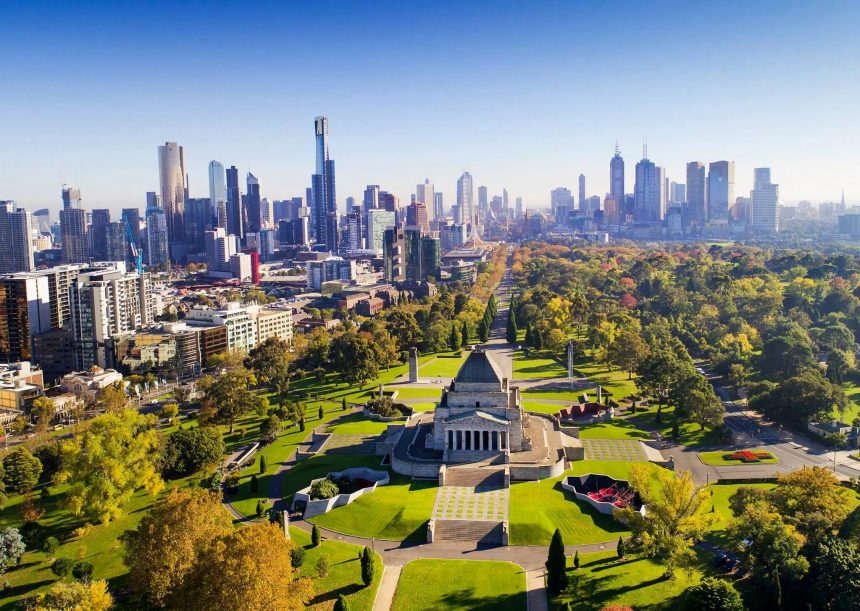
The Royal Botanic Gardens provide a quiet contrast to the city’s intensity. Expansive lawns, curated landscapes, and views back toward the skyline make it an ideal place to pause.
This is where Melbourne’s reputation for livability becomes tangible: green space integrated seamlessly into urban life.
Optional Sports or History Stop
Depending on interests, the afternoon can include a visit to the Melbourne Cricket Ground for insight into Australia’s sporting culture, or the Immigration Museum for historical context on how the city became what it is today.
Both experiences highlight values that shape Melbourne’s identity: collective experience and multiculturalism.
Why Two Days Works in Melbourne
Melbourne does not demand exhaustive sightseeing. Its appeal lies in rhythm rather than spectacle. Two days allows visitors to understand how culture, food, public space, and everyday habits intersect.
Rather than checking off attractions, the most rewarding approach is to observe how people move through the city — lingering over coffee, gathering at markets, and prioritizing conversation over convenience.
A City That Rewards Attention
Melbourne reveals itself gradually. In two days, you may not see everything, but you will feel the city’s logic — thoughtful, layered, and quietly confident. That understanding, more than any landmark, is what lingers long after you leave.
7 years in the field, from local radio to digital newsrooms. Loves chasing the stories that matter to everyday Aussies – whether it’s climate, cost of living or the next big thing in tech.