



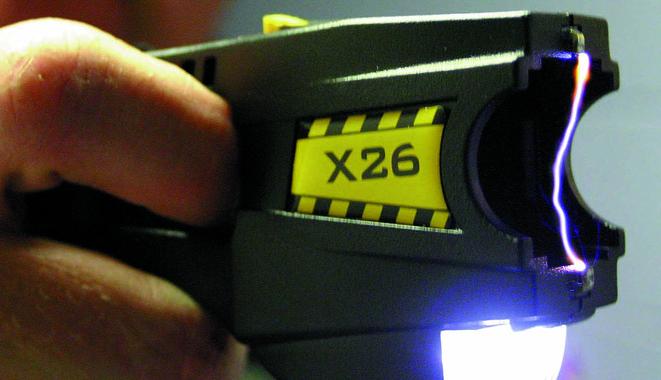
Australian courts are now examining the use of “less lethal” police weapons amid a series of high-profile deaths linked to projectiles such as Tasers and bean-bag rounds. The scrutiny follows the deaths of three Australians in incidents involving these controversial tools, raising questions about police practices, oversight, accountability and the appropriateness of their deployment in high-risk situations.
The legal processes — including coronial inquests and civil litigation — are probing not just what happened in each case, but whether the expanding use of less lethal weapons by police is matched by effective training, clear reporting and sufficient safeguards to protect vulnerable members of the public.
Three Tragic Deaths Spark Legal and Public Scrutiny
Between July and November 2023, at least three Australians died after being subjected to so-called less lethal tactics by police, triggering widespread concern and a series of legal actions and coronial inquests.
The fatalities under examination include:
- Mark Smith — In July 2023, Smith was shot multiple times with “less lethal” projectiles and Tasered 14 times by Victoria Police’s Critical Incident Response Team before dying.
- Krista Kach — Two months later, Kach died in Newcastle, NSW, after being Tasered and struck in the chest by a bean-bag round fired from a “Super-Sock” shotgun during a mental health crisis.
- Steven Woodhouse — In November 2023, Woodhouse was similarly shot with bean-bag rounds and Tasered in Melbourne’s north. His family has since filed a civil lawsuit alleging catastrophic injury and wrongful death.
These cases have exposed the lethal potential of weapons often marketed as less harmful alternatives to firearms — and cast doubt on whether their use is sufficiently regulated or justified in the circumstances in which they were deployed.
What Are “Less Lethal” Weapons — and Why Are They Controversial?
“Less lethal” weapons — including bean-bag and foam baton rounds fired from launchers, and conducted energy devices like Tasers — are intended to incapacitate a suspect without causing the fatal injuries associated with firearms. Police agencies across Australia and internationally argue that these tools provide officers with options in volatile situations where lethal force might otherwise be used.
However, critics say that in practice these weapons have caused serious injury and death, especially when used inappropriately or without adequate oversight. Family members of the deceased have questioned why such weapons are deployed during situations involving mental health crises or non-violent subjects — contexts where better de-escalation tactics and specialised support could be more appropriate.
Investigations into these deaths have also revealed gaps in police reporting. Official use-of-force statistics have not always accounted for projectile rounds, complicating efforts to analyse patterns and accountability — an omission highlighted by civil rights advocates.
Coronial Inquests and Civil Litigation Underway
The response from the legal system has been multifaceted:
Coronial Inquests:
Coroners in both Victoria and NSW have begun or scheduled inquests into the deaths of Smith and Kach. These hearings aim to determine how and why the deaths occurred, and whether policy or training deficiencies contributed to the outcomes.
Civil Litigation:
In Victoria, Shaye Woodhouse — the sister of Steven Woodhouse — has initiated a Supreme Court case alleging that her brother’s fatal injuries were caused by catastrophic force inflicted by police. This civil action seeks accountability and compensation beyond the coronial process.
Lawyers representing victims and families have described the scrutiny as overdue, arguing that the continued proliferation of less lethal weapons in police arsenals must be paired with robust oversight, transparent reporting and clear criteria for deployment.
Police Response and Official Defences
Police forces in NSW and Victoria have acknowledged the tragic outcomes but defend the use of less lethal tools as part of modern policing. Some official statements have noted that bean-bag rounds and Tasers are designed to reduce the need for firearms and were deployed in scenarios officers considered dangerous.
After Kach’s death, NSW police temporarily suspended bean-bag rounds, but later reintroduced them, reflecting the contentious balance between operational necessity and public safety.
Victoria Police have previously stated that certain projectiles — including some less lethal rounds — have not been used since 2020, though the force still deploys other baton and projectile systems in tactical operations.
Broader Debates on Police Use of Force
The examination of these deaths comes amid broader discussions about policing practices in Australia, particularly in situations involving vulnerable people such as those in mental health crisis, the elderly, or persons with disabilities. Critics argue that traditional and less lethal weaponry sometimes supplants alternatives focused on communication, negotiation and specialist intervention.
Experts have noted that effective oversight mechanisms — including comprehensive data recording and independent review — are essential to evaluate the safety and necessity of less lethal tools, to ensure they do not inadvertently cause more harm than good.
The ongoing legal proceedings — from coronial inquests to civil suits — may prompt important policy reviews and legislative scrutiny about how police are equipped, trained and accountable, particularly as debates continue about appropriate responses to complex and high-risk encounters with the public.
What Comes Next
The coming months are expected to see further legal developments:
- Coroners inquests will continue to unfold, potentially delivering findings and recommendations that could influence policing practices.
- Civil litigation, including the Woodhouse case, may set legal precedents for accountability and compensation related to less lethal force.
- Public debate and advocacy for reform of use-of-force policies are likely to intensify as more details emerge from court proceedings and official investigations.
Taken together, these legal examinations reflect a pivotal moment in Australia’s approach to policing, force and the protection of life — and underscore the complex questions raised when tools intended to reduce harm end with fatal consequences.
7 years in the field, from local radio to digital newsrooms. Loves chasing the stories that matter to everyday Aussies – whether it’s climate, cost of living or the next big thing in tech.