



Australia saw wide-ranging travel disruption this week after airspace closures and security alerts across the Middle East prompted major carriers to cancel or suspend services. The moves — announced as fighters, missiles and defensive measures triggered temporary no-fly zones over key Gulf hubs — left thousands of passengers stranded, forced abrupt rerouting of long-haul services and produced knock-on delays across connecting networks from Asia to Europe.
What happened: a sudden network shutdown
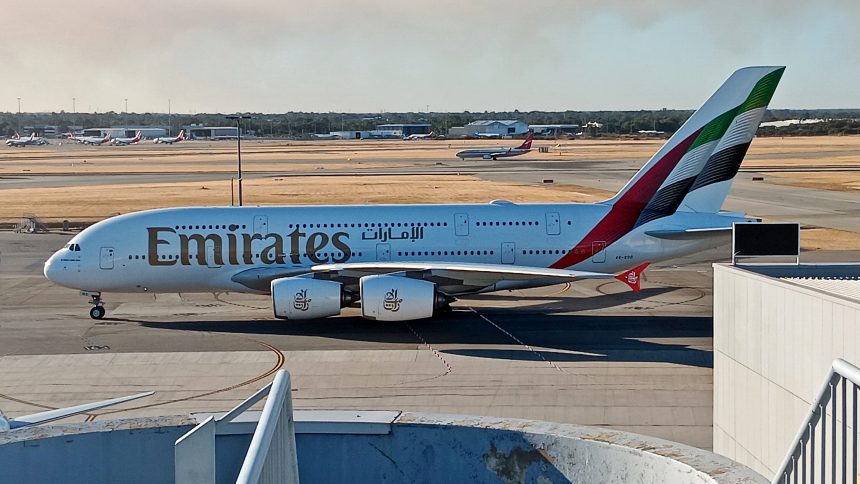
The disruption followed a rapid escalation of hostilities in the Middle East that led civil aviation authorities in several Gulf states to close or restrict national airspace. The immediate effect was the suspension of scheduled operations by major Gulf carriers and the diversion or cancellation of services that use Doha, Dubai and Abu Dhabi as transit hubs. Qatar Airways issued an operations update confirming a temporary suspension pending the Qatar Civil Aviation Authority’s announcement that airspace is safe to reopen, while Dubai and Abu Dhabi airport authorities also announced temporary halts to flights.
International airlines quickly adjusted: some flights were turned back mid-flight to Australian airports, others were diverted to Asian or European gateways, and a significant number were cancelled outright. Reuters reported that thousands of flights worldwide were affected, with large numbers of cancellations and reroutings concentrated on routes that normally rely on Gulf transit.
Airlines and routes directly hit — who cancelled what
Major carriers that serve Australia-Gulf routes publicly suspended or altered schedules. Gulf operators temporarily halted operations into the region; carriers operating codeshare or long-haul flights with Gulf partners — including services that depend on those hubs to connect Australia with Europe and the Middle East — either cancelled or rebooked passengers onto alternative routings. Several Virgin Australia services bound for Doha were among those reported to have returned to Australian airports. The cancellations affected both direct flights and networked itineraries that depend on quick connections through Doha and Dubai.
Domestic and international booking systems reflected the changes almost immediately, with affected passengers receiving automated notifications and airline customer-service portals displaying advisories about refunds, rebooking and airport procedures.
Australian government response: travel advice and consular support
Australia’s foreign ministry reiterated and updated travel guidance in the wake of the airspace closures. The government’s official travel advisory platform, Smartraveller, warned Australians not to travel to several Middle Eastern countries and urged those already in affected areas to leave if it is safe to do so. Canberra also activated consular support mechanisms and urged travellers to check with airlines before going to airports.
Authorities cautioned passengers not to cancel flights independently without confirming options with their carriers, noting that airlines were offering rebooking and refund channels under extraordinary circumstances.
Stranded passengers: scenes at Australian airports
Across major Australian airports, passengers reported chaotic scenes as flights were cancelled at short notice. Some long-haul services were forced to turn back mid-flight after airspace decisions were taken, leaving crews and passengers to disembark and replan. Local reporting and television footage showed crowded terminals, queues at airline helpdesks and passengers scrambling to find alternative routes via Asia or the United States. Airports and airlines opened assistance counters and provided information about accommodation and onward connections where possible.
Travel agents, tour operators and corporate travel desks were pressed into service to reroute business travellers and tourists; many customers faced longer journeys, additional overnight stays and higher incidental costs despite airlines’ waivers for rebooking fees in light of the security situation.
Human and economic impacts beyond the terminal
The cancellations created immediate economic pain for passengers and broader commercial effects for Australia’s air-freight and tourism sectors. Cargo services that traverse Gulf hubs experienced delays; perishable goods and time-sensitive freight required reallocation to longer routings, increasing costs and complicating supply chains. Tourism operators lamented last-minute cancellations and the loss of inbound business from Europe and the Middle East. Industry analysts warned that continued airspace disruption would have a multi-week effect on schedules and capacity as aircraft and crews are repositioned.
Insurance and consumer-rights groups urged passengers to understand their entitlements. Financial disruption was a growing concern for families and businesses dependent on timely travel or cargo movement.
Airlines’ customer-service, refunds and rebooking policies
Airlines operating on the impacted routes activated emergency policies: carriers offering transits through Gulf hubs provided refunds or alternate routings, while some international airlines rebooked passengers via Asia or Europe. Official airline statements emphasised passenger safety as the driving rationale for cancellations and promised ongoing updates as civil authorities assessed airspace safety. Passengers were advised to contact carriers directly and to check official airline mobile apps or websites for the latest operational bulletins.
Travel-industry bodies encouraged travellers to retain receipts for additional costs, as many insurers require documentation to substantiate claims relating to accommodation, meals and transport incurred because of cancellations.
Who is most affected — transit passengers and priority cases
Passengers on multi-leg itineraries — especially those with tight connections through Doha or Dubai — bore the brunt of the disruption. Students, workers on temporary assignments, and people travelling for urgent medical or family reasons faced acute difficulties. Governments, including Australia’s, advised families and employers to be flexible and stressed consular channels for Australians abroad in need of urgent assistance.
Airlines and governments also prioritised evacuations or special travel arrangements for vulnerable passengers where logistically feasible.
How airlines and airports are planning to stabilise operations
Operational recovery depends on coordinated decisions by civil aviation authorities in the region and the reopening of key air routes. Airlines said they would resume normal services once the relevant aviation authorities deemed flights safe. That requires not only a cessation of hostilities but also verification of airway safety, air-defence deconfliction measures and restoration of airport operations in affected hubs. Industry experts noted it will take days — and in some cases longer — to fully normalise schedules because of aircraft and crew positioning constraints.
Airlines are working with partners to prioritise passengers on the earliest available alternative services and to reposition aircraft from secondary hubs where possible.
Broader geopolitical knock-on effects and risk to connectivity
The incident underlines how geopolitical crises can rapidly reconfigure global air networks: Gulf hubs are linchpins of connectivity between Australia and Europe, Africa and large parts of Asia. Prolonged disruption risks redirecting traffic flows through alternative points such as Southeast Asia or the U.S. west coast, raising costs and lengthening journey times. Analysts warn that insurers, freight forwarders and carriers will reassess risk models for routes over volatile regions, potentially altering commercial decisions about fleet deployment and long-term scheduling.
Practical advice for travellers right now
- Confirm the status of your flight with your airline before going to the airport and monitor official airline updates.
- Consult the government travel advisory on Smartraveller for country-specific guidance and consular information.
- Keep receipts for any additional expenses if you need to file insurance claims or seek refunds.
- Consider delaying non-essential travel to the region until airspace status and travel advice stabilise.
Looking ahead
Restoration of normal air services hinges on a diplomatic and security de-escalation in the Middle East and formal reopening of Gulf airspace by national aviation authorities. Even after airspace reopens, airlines will face a complex recovery process as they re-establish schedules, reposition aircraft and absorb financial losses from the cancellations. For travellers and businesses in Australia, the disruption is a stark reminder of how quickly geopolitical events can ripple across global networks — and why contingency planning, travel insurance and timely government guidance matter in an interconnected world.
7 years in the field, from local radio to digital newsrooms. Loves chasing the stories that matter to everyday Aussies – whether it’s climate, cost of living or the next big thing in tech.