



Australia is home to some of the world’s most distinctive and diverse wildlife, from iconic marsupials to ancient reptiles and rare bird species found nowhere else on Earth. Across the continent, leading zoos and wildlife parks serve not only as major tourism attractions but also as critical hubs for conservation, scientific research, and wildlife rehabilitation. Below is a comprehensive look at the best zoos and wildlife parks in Australia, presented in a professional journalistic format.
Taronga Zoo, Sydney
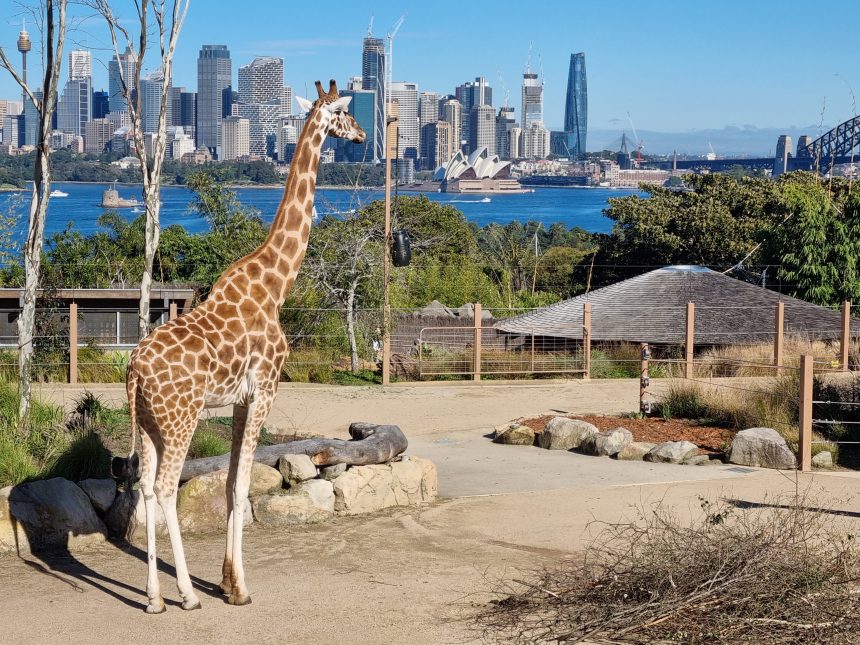
Located on the shores of Sydney Harbour, Taronga Zoo is widely regarded as one of the most scenic zoos in the world. Overlooking the Sydney Opera House and Harbour Bridge, it combines panoramic city views with cutting-edge wildlife exhibits.
Taronga Zoo houses more than 4,000 animals representing over 350 species. The zoo’s immersive precincts include the African Savannah, home to giraffes and zebras, and the Australian Walkabout, where kangaroos and emus roam in open-style habitats. The institution is deeply involved in breeding programs for endangered species, including Sumatran tigers and threatened native amphibians.
In addition to public exhibitions, Taronga runs education programs, conservation initiatives across the Asia-Pacific region, and operates an on-site eco-retreat for overnight stays.
Australia Zoo, Queensland
Founded by the late wildlife conservationist Steve Irwin, Australia Zoo has become one of the most internationally recognized wildlife parks in the country. Located on Queensland’s Sunshine Coast, the zoo reflects Irwin’s dynamic approach to wildlife education and conservation.
Covering more than 700 acres, Australia Zoo offers expansive enclosures and daily wildlife demonstrations at the Crocoseum, where crocodile shows remain a signature attraction. The zoo’s Wildlife Hospital treats thousands of injured native animals annually, reinforcing its reputation as a leader in hands-on conservation.
Interactive experiences, including close encounters with koalas, cheetahs, and rhinos, continue to draw visitors from around the globe.
Melbourne Zoo, Victoria
Established in 1862, Melbourne Zoo is Australia’s oldest zoo and a pioneer in habitat-based exhibit design. Located near Melbourne’s city centre, it balances historic architecture with modern animal welfare standards.
Among its standout attractions is the Trail of the Elephants, a spacious and culturally themed habitat for Asian elephants. The Orangutan Sanctuary features elevated pathways that allow the primates to travel above visitors, replicating their natural arboreal movement.
As part of Zoos Victoria, Melbourne Zoo plays a major role in breeding and recovery programs for threatened species such as the helmeted honeyeater and the critically endangered Lord Howe Island stick insect.
Adelaide Zoo, South Australia
Nestled within landscaped gardens near the city centre, Adelaide Zoo offers a more intimate wildlife experience. The zoo gained global attention as the former home of Australia’s only giant pandas.
Housing over 2,500 animals, Adelaide Zoo focuses heavily on Asian and rainforest habitats while maintaining strong involvement in native species conservation. Its manageable size and botanical surroundings make it particularly appealing to families and urban visitors seeking a relaxed environment.
Perth Zoo, Western Australia
Founded in 1898, Perth Zoo has developed into one of the country’s leading conservation-focused zoological institutions. Located close to central Perth, it combines accessibility with international research impact.
The zoo is known for its successful breeding programs, particularly for Sumatran orangutans and endangered Australian marsupials such as the numbat. Visitors can explore themed areas including the Australian Bushwalk, African Savannah, and Asian Rainforest.
Perth Zoo’s commitment to sustainability and global conservation partnerships underscores its international standing.
Featherdale Sydney Wildlife Park, New South Wales
For visitors seeking exclusively native species, Featherdale Sydney Wildlife Park provides one of Australia’s most comprehensive collections of indigenous wildlife.
Located in Western Sydney, the park specializes in close encounters with kangaroos, wallabies, wombats, and quokkas, alongside an extensive reptile collection. Its compact layout allows for efficient exploration, making it ideal for travellers with limited time.
Featherdale also participates in breeding and rehabilitation programs for endangered Australian animals.
Healesville Sanctuary, Victoria
Situated in the Yarra Valley, Healesville Sanctuary focuses exclusively on Australian fauna within expansive bushland settings. Unlike traditional zoos, it presents species in habitats designed to closely replicate natural ecosystems.
The sanctuary is particularly renowned for its platypus breeding program and its Birds of Prey presentations, which highlight native raptors in free-flight displays. It also operates the Australian Wildlife Health Centre, a major veterinary facility dedicated to treating injured and endangered wildlife.
Why Australia’s Zoos Matter Globally
Australia’s top zoos and wildlife parks share several defining characteristics:
- Strong emphasis on conservation science and endangered species recovery
- Habitat-based exhibit design prioritizing animal welfare
- Active wildlife rescue and veterinary programs
- Public education initiatives focused on biodiversity protection
As climate change, habitat loss, and biodiversity decline continue to challenge ecosystems worldwide, Australia’s zoological institutions play an increasingly vital role. They are not merely attractions but essential conservation organizations safeguarding some of the planet’s most unique species.
From harbourfront city zoos to expansive bushland sanctuaries, Australia offers wildlife experiences that combine education, sustainability, and unforgettable encounters with nature.
7 years in the field, from local radio to digital newsrooms. Loves chasing the stories that matter to everyday Aussies – whether it’s climate, cost of living or the next big thing in tech.