





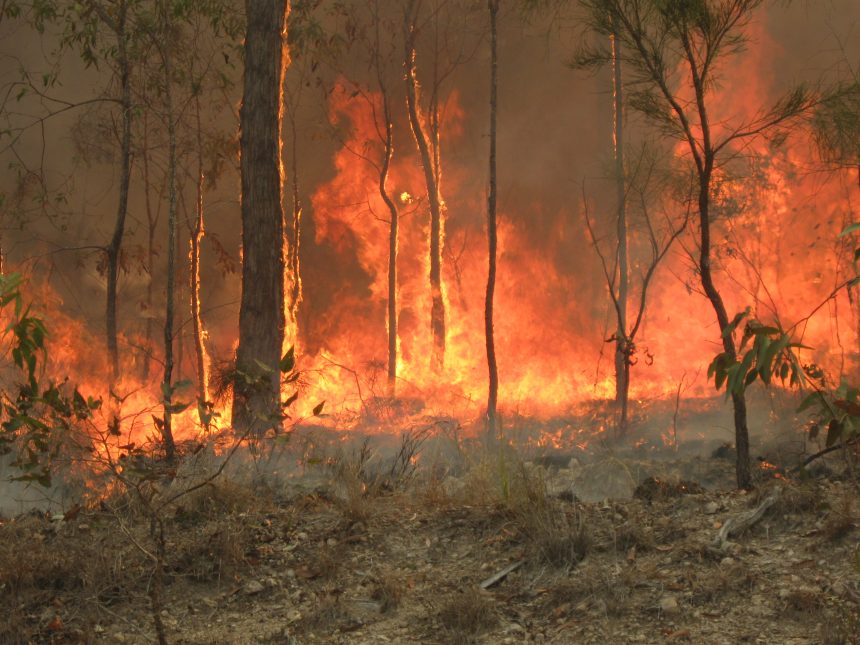
Australia is bracing for what experts are warning could be one of the most dangerous bushfire seasons in years, with conditions of extreme heat, dry vegetation and abundant fuel in forests and grasslands creating the potential for fire behaviour not seen since the catastrophic Black Summer of 2019–2020. Authorities and scientists say that although the exact replication of 2019 conditions isn’t certain, a combination of climatic shifts, accumulated dry fuel and escalating risk factors means this coming fire season could pose grave dangers for communities across multiple states.
Fires already burning and danger signs emerging
More than 50 active bushfires are currently burning in New South Wales (NSW), some of them out of control, with scorching temperatures above 41 °C and erratic winds fanning flames. At least one firefighter has been killed during operations when a tree fell while crews were attempting to reduce fire threat, and multiple homes have already been destroyed or damaged in NSW and Tasmania, underlining the immediacy of the threat.
The Central Coast, Hunter and other densely populated regions north of Sydney have seen mandatory evacuations and emergency warnings as fires spread toward residential areas. Tasmania’s east coast has also witnessed destructive fires, consuming hundreds of hectares and obliterating dozens of homes.
Why experts are ringing alarm bells
Dry fuels and pre‑season moisture patterns
After above‑average rainfall in recent years — particularly during La Niña episodes — vegetation across large swathes of southern and eastern Australia has grown more lush than usual. While this seems positive, it also means massive amounts of grass and bush have now dried out as spring turned to summer, creating an unprecedented fuel load ready to burn.
Bushfire authorities caution that landscapes once held in check by wetter conditions are now shifting quickly into highly flammable states, especially in NSW, Victoria and parts of Western Australia and Tasmania, where drought conditions and hotter spells persist.
High temperatures and shifting weather drivers
The Bureau of Meteorology (BoM) has forecast warmer‑than‑average summer temperatures nationwide, with many regions experiencing high heat and low humidity — essential ingredients for fast‑moving fires. Even areas typically at “normal” risk could rapidly transition into dangerous fire conditions with just the right combination of heat, wind and dry fuel.
While a weak La Niña continues in the Pacific — usually associated with wetter conditions — other climate drivers are offsetting rainfall gains, leaving much of Australia drier than expected and enhancing the potential for fire ignition and spread.
A season likened to Black Summer — but still unique
The Black Summer bushfires of 2019–2020 remain the benchmark for catastrophic fire in modern Australian memory — burning nearly 20 million hectares, destroying thousands of homes and killing 33 people across the southeastern states.
Some experts warn that a repeat of those exact conditions depends on the convergence of multiple climatic drivers — something not assured this year — but fire danger is still exceptionally high and increasing, driven by long‑term drying and temperature patterns shaped by climate change.
Forecasters highlight that while not every region will see disaster, the frequency of “high‑danger” fire conditions is climbing, and areas once buffered by local weather may shift into extreme or catastrophic fire danger with little notice.
Government and emergency response: preparation and warnings
Fire and emergency authorities have already classified much of NSW, Victoria and southern WA as being at heightened risk, with plans underway for pre‑positioning aircraft, additional crews, and enhanced interagency coordination across the bushfire season.
The Australasian Fire Authorities Council (AFAC) and local services are urging residents across potentially affected regions to:
- Prepare and familiarise themselves with bushfire survival plans
- Clear property of combustible debris and vegetation
- Monitor official fire danger ratings on hot, windy days
- Follow evacuation orders swiftly when issued
Authorities stress that even communities not traditionally seen as high‑risk could face severe fire behaviour if conditions deteriorate.
The human and ecological stakes
While there have been relatively few recorded human fatalities so far this season, the loss of homes and property has already occurred, and the psychological toll on communities living with repeated alarms and evacuations is significant.
Ecologically, fire seasons of this magnitude can devastate wildlife habitats, contribute to landscape fragmentation and increase carbon emissions — complicating long‑term climate resilience efforts.
Community in the hot seat
Australians in both bushland and urban fringe areas are being urged not to underestimate fire risk. Planning and preparation efforts — from local councils to individual households — are being tested under increasingly severe conditions.
Despite occasional relief from cooler spells or isolated rains, the bushfire season’s peak is yet to come, and the overarching message from forecasters is clear: this summer’s fires could rival those of the past decade in danger and scale, even if they unfold differently from Black Summer.
In summary:
Australia’s current fire outlook is shaped by a “ready to burn” landscape of dry fuels, high heat forecasts, active fires already burning, and shifting climate dynamics. While exact replication of the devastating Black Summer conditions isn’t guaranteed this year, the danger level is among the highest for many regions, underscoring the need for urgent readiness and community resilience.
7 years in the field, from local radio to digital newsrooms. Loves chasing the stories that matter to everyday Aussies – whether it’s climate, cost of living or the next big thing in tech.