






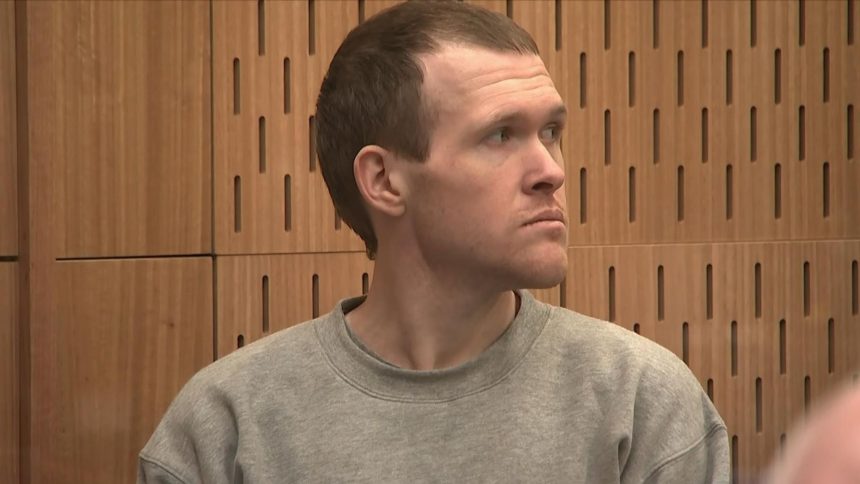
WELLINGTON — Brenton Tarrant, the Australian white supremacist responsible for the 2019 Christchurch mosque attacks that killed 51 Muslim worshippers and injured dozens, has launched a bid to overturn his guilty pleas and life sentence in a case that has reopened traumatic wounds for survivors and victims’ families. The appeal — heard before New Zealand’s Court of Appeal — centres on claims that harsh detention conditions rendered him mentally unfit when he pleaded guilty to terrorism, murder and attempted murder charges.
From Conviction to Appeal: Revisiting a Tragic Case
Tarrant’s attack on the Al Noor Mosque and Linwood Islamic Centre in March 2019 was the deadliest mass shooting in New Zealand’s history, shocking the nation and prompting sweeping changes to national gun laws. He was arrested the same day after livestreaming the massacre online and, in March 2020, pleaded guilty to 51 murders, 40 attempted murders and one terrorism charge. He was subsequently sentenced to life imprisonment without parole — the first time such a sentence had been imposed in New Zealand.
However, on 9 February 2026, a three-judge panel at the Court of Appeal in Wellington began a five-day hearing to consider whether Tarrant’s convictions should be revisited. Through a video link from Auckland Prison, the 35-year-old argued that his guilty plea was not voluntary or rational due to deteriorating mental health caused by solitary confinement and limited stimulation during his pre-trial detention.
Claims of Harsh Prison Conditions and Mental Impact
In his testimony, Tarrant maintained that the “torturous and inhumane” conditions he endured while awaiting trial undermined his ability to make informed decisions, leaving him “irrational” and unfit to plead guilty. He described prolonged isolation, minimal access to reading material and social contact, and a sense of “nervous exhaustion” that he says influenced his decision more than any rational legal strategy.
Tarrant also conveyed to the court that his mental state was “wildly fluctuating” at the time, saying he struggled to distinguish between rational and irrational thoughts. He contended that his legal representatives did not pursue alternative options — such as seeking a delay on mental health grounds or proceeding to a full trial — due to his impaired capacity.
Crown lawyers forcefully contested these assertions, arguing that there was no convincing evidence of serious mental illness at the time of the plea and that Tarrant had access to qualified legal counsel who discussed all available options with him. Prosecutors also noted that other procedural avenues — such as adjournments — were available but not pursued.
Legal Hurdles: Delay and Court Process
Tarrant’s appeal faces an additional legal complication: his application was filed well outside the standard timeframe for lodging an appeal. Legal experts say the court must first decide whether to grant leave to proceed given the delay, and whether the conditions of his detention genuinely impaired his decision-making when entering the guilty plea.
If the Court of Appeal accepts the argument that the plea was invalid, the case would be returned to the High Court for a fresh trial — a scenario that has deeply unsettled many affected by the 2019 shootings. Victims and survivors have already expressed distress over the reopening of proceedings, with some describing the appeal as a painful reminder of a tragic chapter in New Zealand’s history.
Emotional Reactions from Survivors and Families
Many relatives of the 51 victims have voiced frustration and anger at Tarrant’s bid, viewing it as a tactic to delay accountability and reopen old wounds rather than a legitimate legal concern. Some survivors — including those injured in the attacks — were present in court via livestream of the Wellington hearing, underscoring the emotional weight of the proceedings.
Community leaders and advocacy groups have highlighted the broader context of the Christchurch attacks, emphasising the enduring impact on New Zealand’s Muslim community and the country’s ongoing efforts to combat extremism and support healing and reconciliation.
Possible Outcomes and Broader Implications
The Court of Appeal’s deliberations are expected to continue over several days, with a decision likely to take weeks or months. Should Tarrant’s appeal succeed, it would mark a rare legal reversal in a case that has been emblematic of New Zealand’s justice system’s response to terrorism and mass violence.
Even if the appeal fails, Tarrant is also seeking to contest the severity of his life sentence without parole, aiming to have that aspect reviewed once the guilty pleas are addressed. Regardless of the outcome, the case raises significant questions about mental fitness standards, prison conditions, and the legal safeguards surrounding guilty pleas in high-profile criminal cases.
7 years in the field, from local radio to digital newsrooms. Loves chasing the stories that matter to everyday Aussies – whether it’s climate, cost of living or the next big thing in tech.