






As Australia’s major cities grow denser, faster, and more expensive, a quiet counter-movement has been gathering momentum. Increasingly, Australians are not chasing bigger skylines or brighter lights—they are looking for space, silence, and a slower rhythm of life.
From former holiday towns turned semi-permanent refuges to inland hubs rediscovered after decades of decline, these destinations share a common appeal: they offer relief from urban noise without cutting ties to modern life. When Sydney, Melbourne, or Brisbane begin to feel overwhelming, these are the towns many Australians escape to—not to disappear, but to recalibrate.
Why Australians Are Looking Beyond the Big Cities
The motivations behind this shift are structural as much as emotional. Rising housing costs, longer commutes, and digital saturation have changed how people define livability. Remote and hybrid work has removed the need to be physically present in city centres, while lifestyle priorities have shifted toward wellbeing and time autonomy.
For many, leaving the city is not about rejecting ambition—it is about rebalancing it.
Byron Bay: The Early Symbol of Escape
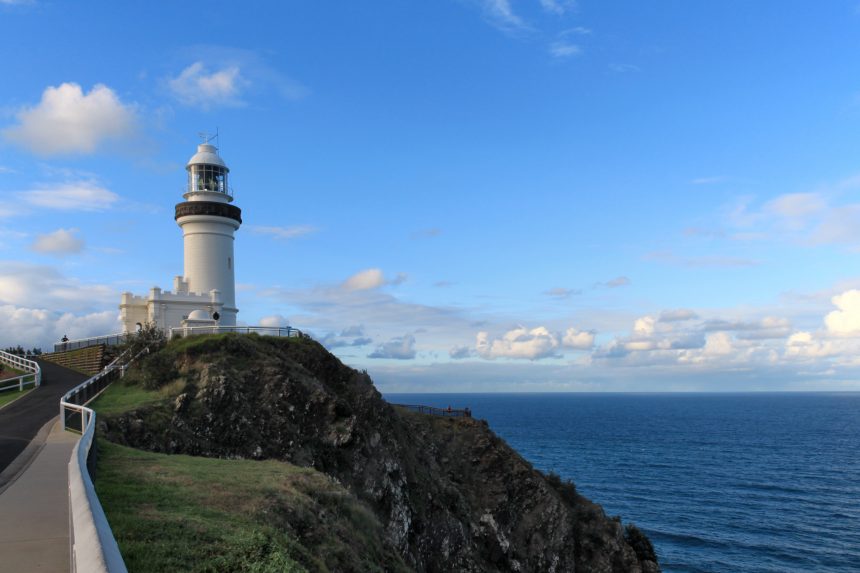
Once a low-key surf town, Byron Bay became one of the first places Australians fled to in search of a gentler pace. Its transformation is now well documented: creative professionals, wellness entrepreneurs, and remote workers reshaped the town into a lifestyle hub.
Despite rising costs and growing popularity, Byron Bay still represents the archetype of escape—where nature, community, and flexible work converged earlier than most. For many Australians, it was proof that leaving the city was not only possible, but desirable.
Daylesford: Quiet Luxury Without the Noise
In regional Victoria, Daylesford has long attracted those seeking calm rather than spectacle. Known for its mineral springs, spa culture, and understated food scene, Daylesford appeals to Australians who want refinement without intensity.
Unlike coastal towns driven by seasonal tourism, Daylesford’s draw is consistency. Its pace is unhurried year-round, making it especially attractive to people escaping high-pressure city careers while still valuing cultural depth.
Berry: Small-Town Calm Near the City
For Sydneysiders unwilling to go completely off-grid, Berry offers a middle ground. Located a few hours south of Sydney, Berry combines farmland, heritage streetscapes, and strong community life with relative accessibility.
Berry’s appeal lies in its scale. Life moves slower, but essential services, cafés, and social connection remain close at hand. It has become a common destination for those seeking to downshift without disconnecting entirely.
Castlemaine: Creativity After the Rush
Once associated with post-gold-rush decline, Castlemaine has re-emerged as a magnet for artists, writers, and craftspeople leaving Melbourne. Its affordability, heritage architecture, and strong creative networks have transformed it into a quiet cultural centre.
Castlemaine demonstrates how escape does not always mean retreat. Many who move there remain professionally active, but on their own terms—trading urgency for intentionality.
Margaret River: Nature as Antidote
In Western Australia, Margaret River offers a different kind of refuge. Surrounded by vineyards, forests, and coastline, it attracts Australians seeking immersion in landscape rather than town life alone.
Margaret River appeals particularly to those escaping overstimulation. Its distance from major cities reinforces a sense of psychological separation, making it a destination for deeper resets rather than incremental change.
What These Towns Have in Common
Despite differences in geography and culture, Australia’s escape towns tend to share a few defining characteristics:
- Strong connection to nature
- Slower, more predictable daily rhythms
They offer relief without isolation—places where life feels quieter, but not empty.
Escape Is No Longer About Dropping Out
Historically, leaving the city implied compromise: fewer opportunities, limited networks, slower careers. Today, that assumption is eroding. Technology has decoupled work from place, allowing Australians to choose environments that support mental clarity rather than constant stimulation.
For many, escaping the city is not about abandoning ambition, but about redefining success—placing health, autonomy, and time back at the centre.
Final Thoughts: Choosing Quiet as a Form of Agency
The towns Australians escape to are not accidental choices. They reflect a broader cultural shift toward intentional living and selective engagement with modern life. As cities grow louder, faster, and more demanding, these places offer something increasingly valuable: permission to live at a human pace.
In choosing quiet towns over noisy centres, Australians are not opting out of life. They are choosing how—and where—they want to live it.
7 years in the field, from local radio to digital newsrooms. Loves chasing the stories that matter to everyday Aussies – whether it’s climate, cost of living or the next big thing in tech.