






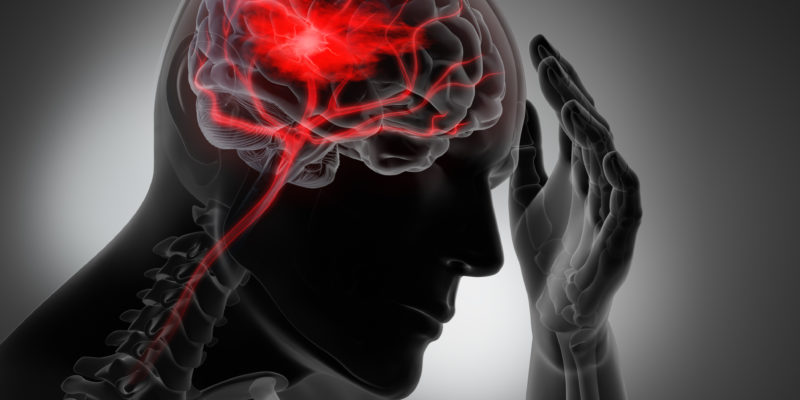
Why do certain moments stay vividly in our memory while others quickly fade away? A sudden compliment, an unexpected plot twist, or an unplanned discovery during travel can remain memorable for years. Neuroscience suggests that this is not a coincidence. The human brain is wired to prioritize unexpected events.
Surprises activate powerful neurological processes that strengthen memory formation and emotional engagement. Researchers have found that when something unexpected happens, the brain shifts its attention and chemistry in ways that make the experience more likely to be remembered. This “brain trick” helps explain why surprises often stand out so clearly in our personal stories.
Understanding how the brain processes surprise reveals fascinating insights into memory, learning, and human attention.
Why the Brain Pays Special Attention to the Unexpected
The brain constantly attempts to predict what will happen next. This predictive system allows humans to navigate daily life efficiently, from understanding conversations to anticipating routine events.
When reality matches expectations, the brain processes information quickly and often without deep attention. However, when something unexpected occurs, the brain detects what scientists call a “prediction error.” This mismatch between expectation and reality signals that the situation may require closer evaluation.
As a result, the brain immediately shifts its resources toward the surprising event. Attention increases, perception sharpens, and neural systems involved in learning become more active.
In evolutionary terms, this response served an important purpose. Unexpected events could signal opportunities or threats in the environment, making it essential for early humans to remember them.
The Role of Dopamine in Surprise and Memory
A key chemical involved in memorable surprises is dopamine, a neurotransmitter associated with motivation, reward, and learning.
When the brain encounters something unexpected, dopamine levels can increase in certain neural pathways. This chemical surge helps strengthen connections between neurons, making it easier for the brain to encode and store the experience.
In practical terms, dopamine acts like a signal telling the brain: “This moment is important—remember it.”
Because of this process, surprising events often become stronger and more durable memories compared with routine experiences. The brain essentially highlights the event as significant.
Emotional Intensity and Memory Formation
Surprises are rarely neutral. They often carry emotional reactions such as excitement, curiosity, relief, or even shock. Emotional intensity further strengthens the brain’s memory mechanisms.
When emotions are involved, the amygdala—an important brain structure related to emotional processing—works closely with memory centers such as the hippocampus. This interaction increases the likelihood that the experience will be encoded deeply into long-term memory.
Events that combine both surprise and emotional impact tend to become particularly memorable. This is why unexpected celebrations, sudden good news, or dramatic discoveries can remain vivid long after they occur.
Surprise as a Learning Tool
The brain’s response to surprise does more than create strong memories—it also improves learning. When expectations are violated, the brain becomes more receptive to new information.
Surprise signals that existing assumptions may need updating. As a result, the brain enters a heightened learning mode, actively seeking to understand what happened and why.
Researchers have identified several ways surprise supports learning:
- Increasing attention to new information
- Strengthening neural connections related to the event
- Encouraging curiosity and exploration
- Updating mental models about how the world works
In educational settings, teachers sometimes use surprising facts or unexpected demonstrations to capture attention and improve knowledge retention.
Why Routine Experiences Are Often Forgotten
If surprises enhance memory, the opposite is often true for routine events. When daily experiences follow predictable patterns, the brain processes them efficiently but without strong emotional or chemical reinforcement.
For example, many people struggle to remember what they ate for lunch two days ago or the details of an ordinary commute. These experiences lack novelty, emotional impact, and unexpected elements.
The brain prioritizes efficiency by filtering out repetitive information that does not appear to require further attention.
While this filtering helps conserve mental energy, it also explains why time can seem to pass quickly during repetitive routines.
How Surprise Shapes Personal Memories
Memories that stand out in people’s lives often contain an element of surprise. Major life milestones, unexpected encounters, or sudden changes in circumstances create vivid mental snapshots.
These moments become anchors in personal narratives because the brain encoded them with heightened attention and emotion.
Even small surprises—such as discovering a hidden café while traveling or hearing unexpected praise—can become cherished memories. The brain tends to attach significance to these experiences because they disrupted normal expectations.
Creating More Memorable Experiences
Understanding the brain’s response to surprise offers practical insights into how people can create richer and more memorable experiences.
Simple strategies can introduce novelty into everyday life:
- Trying unfamiliar activities or hobbies
- Exploring new places rather than repeating routine environments
- Learning unexpected facts or perspectives
- Breaking predictable routines with small changes
These actions stimulate curiosity and activate the brain’s learning systems, increasing the chances that experiences will become memorable.
The Power of the Unexpected
The brain’s sensitivity to surprise is not merely a psychological curiosity—it is a fundamental part of how humans learn and remember. By highlighting unexpected events, the brain ensures that important information stands out from the background of daily life.
Surprises capture attention, trigger dopamine release, and engage emotional memory systems, making them powerful tools for learning and storytelling alike.
In a world filled with routines and predictable patterns, moments of surprise offer something rare: experiences that truly imprint themselves on memory. Whether in education, travel, relationships, or creativity, the unexpected often leaves the deepest mark on the human mind.
7 years in the field, from local radio to digital newsrooms. Loves chasing the stories that matter to everyday Aussies – whether it’s climate, cost of living or the next big thing in tech.