





Australia’s vast and varied landscapes make it one of the world’s premier destinations for hiking. From coastal cliffs and alpine peaks to ancient rainforests and desert outback, the country offers trails suited to every level of experience. Whether seeking multi-day treks or scenic day walks, hikers will find extraordinary natural beauty and biodiversity across the continent.
Here is a comprehensive guide to the best hiking destinations in Australia, highlighting iconic trails and regions that showcase the country’s unique environments.
Blue Mountains National Park, New South Wales
Located just west of Sydney, Blue Mountains National Park is one of Australia’s most accessible and rewarding hiking regions.
Famous for its dramatic sandstone cliffs, eucalyptus forests, and deep valleys, the park offers a wide range of trails. The iconic Three Sisters rock formation provides a striking backdrop for hikes such as the Giant Stairway and the National Pass.
Well-marked tracks, scenic lookouts, and proximity to Sydney make the Blue Mountains ideal for both beginners and experienced hikers.
Cradle Mountain-Lake St Clair National Park, Tasmania
In the heart of Tasmania, Cradle Mountain-Lake St Clair National Park offers some of the country’s most pristine wilderness.
The park is home to the famous Overland Track, a multi-day trek that traverses alpine meadows, glacial lakes, and rugged mountain terrain. Shorter walks around Cradle Mountain and Dove Lake also provide spectacular views for those with limited time.
Wildlife sightings are common, including wombats and wallabies, particularly at dawn and dusk.
Grampians National Park, Victoria
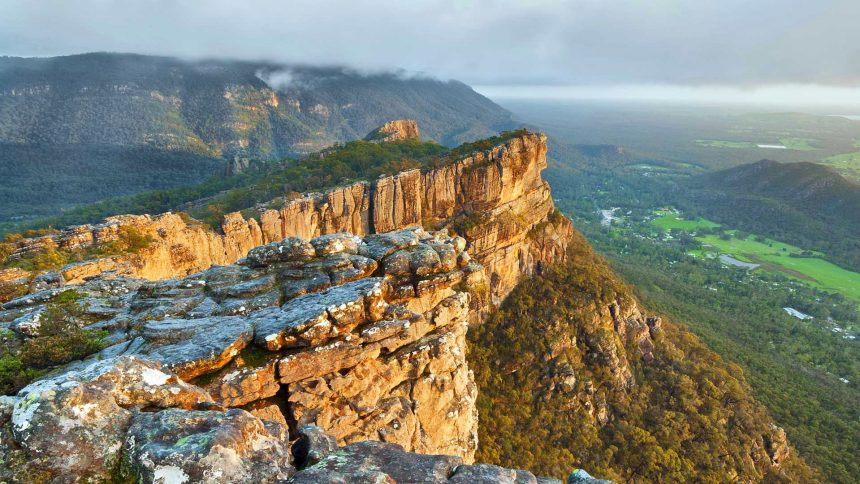
The rugged landscapes of Grampians National Park make it one of the top hiking destinations in southeastern Australia.
Located near Melbourne, the Grampians feature sandstone mountain ranges, waterfalls, and panoramic viewpoints. Popular hikes include the Pinnacle Walk, which offers sweeping views over the surrounding valleys.
The region is also rich in Aboriginal cultural heritage, with ancient rock art sites that provide insight into Australia’s Indigenous history.
Kakadu National Park, Northern Territory
For hikers seeking a combination of nature and culture, Kakadu National Park offers a unique experience.
As one of Australia’s largest national parks, Kakadu features wetlands, escarpments, and tropical savannah landscapes. Walking trails lead to waterfalls, rock pools, and ancient Aboriginal rock art sites.
The park’s diversity makes it suitable for a range of hiking experiences, from short scenic walks to more challenging routes across remote terrain.
Freycinet National Park, Tasmania
Another standout destination in Tasmania is Freycinet National Park, known for its coastal beauty and distinctive pink granite peaks.
The park’s most famous hike leads to Wineglass Bay, often ranked among the world’s most beautiful beaches. The trail offers panoramic views of turquoise waters and white sand framed by forested hills.
Longer routes, such as the Freycinet Peninsula Circuit, provide multi-day trekking opportunities through diverse coastal and bush landscapes.
Uluru-Kata Tjuta National Park, Northern Territory
One of Australia’s most iconic landscapes, Uluru-Kata Tjuta National Park offers a deeply cultural and spiritual hiking experience.
Visitors can walk around Uluru, the massive sandstone monolith sacred to the Anangu people. The base walk provides close views of rock formations, waterholes, and ancient markings.
Nearby, the domed rock formations of Kata Tjuta offer trails such as the Valley of the Winds, which winds through dramatic desert landscapes.
Great Ocean Walk, Victoria
Stretching along the southern coast, the Great Ocean Walk is one of Australia’s premier long-distance coastal hikes.
Running alongside the famous Great Ocean Road, the trail takes hikers through forests, beaches, and rugged cliffs with views of the Southern Ocean.
The route passes iconic landmarks such as the Twelve Apostles, providing unforgettable coastal scenery along the journey.
What Makes Australia Ideal for Hiking
Australia’s hiking destinations stand out for their diversity and accessibility. Key advantages include:
- A wide range of landscapes, from rainforests to deserts and alpine regions
- Well-maintained trails and national park infrastructure
- Opportunities to encounter unique wildlife in natural habitats
- Strong conservation efforts preserving pristine environments
These factors make Australia suitable for both casual walkers and serious trekkers.
Tips for Planning a Hiking Trip in Australia
Preparation is essential to ensure a safe and enjoyable hiking experience.
Important considerations include:
- Checking weather conditions and seasonal variations
- Carrying sufficient water, especially in remote or arid regions
- Following park guidelines and respecting cultural sites
- Wearing appropriate footwear and sun protection
Being well-prepared allows hikers to fully appreciate Australia’s landscapes while staying safe.
Australia’s hiking destinations offer more than physical activity—they provide immersive journeys through some of the world’s most unique natural environments. From the alpine trails of Tasmania to the red deserts of the Northern Territory and the coastal cliffs of Victoria, each region presents a distinct experience.
For travelers seeking adventure, solitude, and unforgettable scenery, Australia remains one of the most rewarding countries for hiking exploration.
7 years in the field, from local radio to digital newsrooms. Loves chasing the stories that matter to everyday Aussies – whether it’s climate, cost of living or the next big thing in tech.