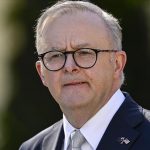



In response to mounting public concern over the use of taxpayer funds for parliamentarians’ family travel, Prime Minister Anthony Albanese has recommended significant changes to the existing entitlements. The proposed reforms aim to enhance transparency and align parliamentary privileges with community expectations.
Background: Public Outcry Over Travel Expenses
Recent revelations have brought to light instances where federal politicians utilized public funds for family travel to attend major sporting events and personal holidays. Notably, Communications Minister Anika Wells faced criticism for charging taxpayers over $8,500 for her husband’s travel to events such as the AFL Grand Final and Formula 1 races. Similarly, Attorney-General Michelle Rowland reimbursed approximately $10,000 after it was disclosed that she expensed more than $20,000 for a family trip to Perth in 2023.
Prime Minister’s Response and Recommendations
Addressing the controversy, Prime Minister Albanese announced that he had sought advice from the Independent Parliamentary Expenses Authority (IPEA) and subsequently recommended changes to the Remuneration Tribunal, which oversees parliamentary entitlements. The key recommendations include:
- Economy-Class Travel for Family Members: Spouses and partners of MPs and senators would be restricted to economy-class flights, eliminating the current provision for business-class travel.
- Limiting Travel Scope: Family travel entitlements would be confined to journeys between Canberra and the MP’s electorate or a senator’s home state. The existing allowance for three annual “Australia-wide” return trips would be abolished.
- Exceptions for Senior Office Holders: For senior politicians, such as ministers and the opposition leader, their spouses or partners could claim travel expenses for events outside Canberra, provided they receive a formal invitation directly related to the politician’s portfolio or parliamentary duties.
- Consideration for Parents: The Prime Minister emphasized the need for the Remuneration Tribunal to consider the circumstances of new parents and dependent children to ensure that parliamentary duties do not disadvantage family life.
Implementation and Oversight
The Remuneration Tribunal is expected to review these recommendations in early January. While the Prime Minister does not possess the authority to unilaterally alter entitlements, his recommendations carry significant weight. Albanese stated, “I do not have the power at the stroke of a pen to change entitlements; the Remuneration Tribunal has the power.”
Broader Implications and Public Sentiment
The proposed reforms reflect a broader effort to restore public trust in the political system by ensuring that parliamentary privileges are commensurate with community standards. The scrutiny of MPs’ travel expenses has underscored the necessity for a transparent and accountable approach to the use of public funds.
Conclusion
Prime Minister Albanese’s recommendations mark a proactive step toward reforming parliamentary travel entitlements in response to public concern. By advocating for more stringent guidelines and enhanced oversight, the government aims to align parliamentary practices with the expectations of the Australian public, fostering greater trust and accountability within the political sphere.
7 years in the field, from local radio to digital newsrooms. Loves chasing the stories that matter to everyday Aussies – whether it’s climate, cost of living or the next big thing in tech.