




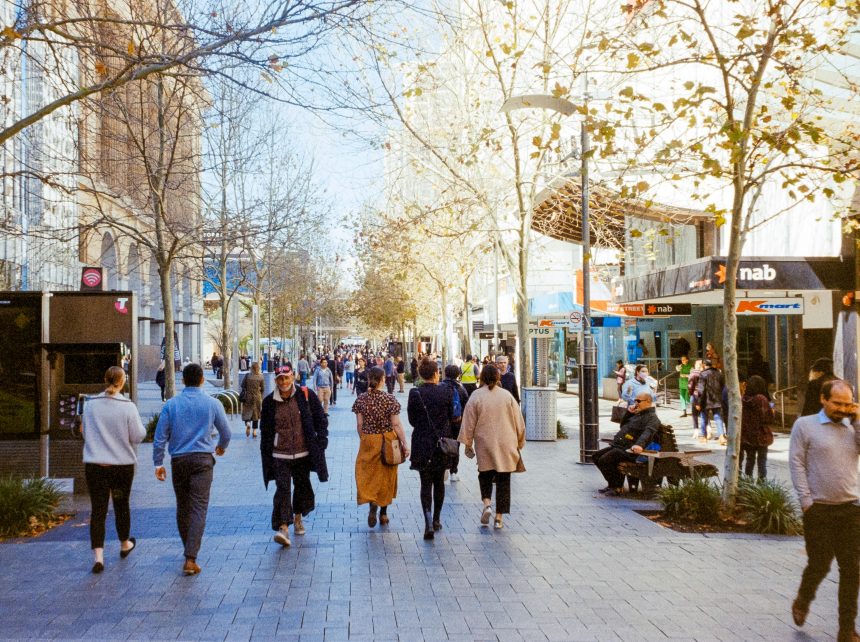
Australia has long fascinated visitors with a social code that feels refreshingly relaxed, even in places where formality is often expected elsewhere. One of the most striking examples appears in high-end dining. In restaurants where menus rival those of Michelin-starred venues abroad and wine lists run into the thousands, Australians may still arrive in sneakers, linen shirts, or simple dresses. This is not indifference to quality or respect, but rather a deeply rooted cultural choice. Comfort, practicality, and authenticity consistently outrank strict dress codes.
A Cultural Legacy of Practicality
Australia’s approach to clothing is inseparable from its history. From early settlers and rural workers to coastal communities shaped by the outdoors, practicality has always mattered more than appearance for appearance’s sake. Harsh climates, physical labor, and long distances fostered an ethos where clothing needed to work, not impress.
This pragmatic mindset did not disappear as cities modernized. Instead, it evolved. In contemporary Australia, dressing comfortably is seen as sensible and grounded rather than careless. That mindset naturally carries into social spaces, including expensive restaurants, where patrons feel no obligation to adopt European-style formality.
Climate Shapes the Wardrobe
The Australian climate plays a decisive role in shaping dining attire. Much of the country experiences warm temperatures for significant parts of the year, particularly in coastal cities where premium restaurants cluster. Heavy suits, structured dresses, and restrictive footwear simply do not align with daily life in such conditions.
Rather than changing clothes specifically for dinner, many Australians move fluidly from work, beach, or social gatherings into restaurants. Light fabrics, relaxed silhouettes, and breathable footwear are logical responses to heat and humidity, even in refined settings.
Egalitarian Values and Social Identity
Australia prides itself on being an egalitarian society. Displays of hierarchy or status are often viewed with skepticism, and this extends to clothing. Dressing too formally in a public setting can be interpreted as performative or distancing rather than sophisticated.
In expensive restaurants, the absence of rigid dress codes reinforces a sense of social equality. Diners may range from executives to creatives to tourists, all sharing the same space without visual markers of rank. Comfort-driven attire supports the idea that everyone belongs, regardless of income or background.
The Restaurant Industry’s Role
Australian restaurateurs have actively embraced this cultural norm. Many fine dining establishments deliberately avoid enforcing strict dress codes, focusing instead on food, service, and atmosphere. The priority is how guests feel, not how they look.
In cities such as Sydney and Melbourne, some of the country’s most acclaimed restaurants openly state that guests should “dress comfortably.” This approach reflects confidence: the dining experience is strong enough that it does not require formal attire to elevate it.
Comfort as a Marker of Confidence
Paradoxically, dressing casually in an expensive restaurant can signal confidence rather than informality. Australians often interpret ease of dress as a sign that a person is secure and unpretentious. There is little pressure to signal wealth or sophistication through clothing when social approval is not tied to outward displays.
This cultural reading contrasts with societies where luxury spaces demand visual conformity. In Australia, comfort communicates authenticity, which is valued more highly than polished appearances.
Global Influences and Modern Lifestyles
Australia’s global outlook has also shaped its dining culture. While European fine dining traditions influenced early restaurant models, modern Australian cuisine developed its own identity — lighter, seasonal, and less formal. The relaxed dress culture complements this culinary philosophy.
Contemporary lifestyles further reinforce the trend. Flexible work arrangements, creative industries, and blended social-professional lives mean fewer occasions where formal clothing feels natural or necessary. Dining out, even at a high price point, is seen as an extension of everyday life rather than a ceremonial event.
What Australians Prioritize When Dining Out
Rather than focusing on dress, Australians tend to prioritize elements they see as more meaningful to the experience:
- Quality and originality of the food
- Attentive but relaxed service
- Atmosphere that encourages conversation and enjoyment
These values explain why clothing remains a personal choice rather than a social obligation, even in prestigious venues.
7 years in the field, from local radio to digital newsrooms. Loves chasing the stories that matter to everyday Aussies – whether it’s climate, cost of living or the next big thing in tech.