




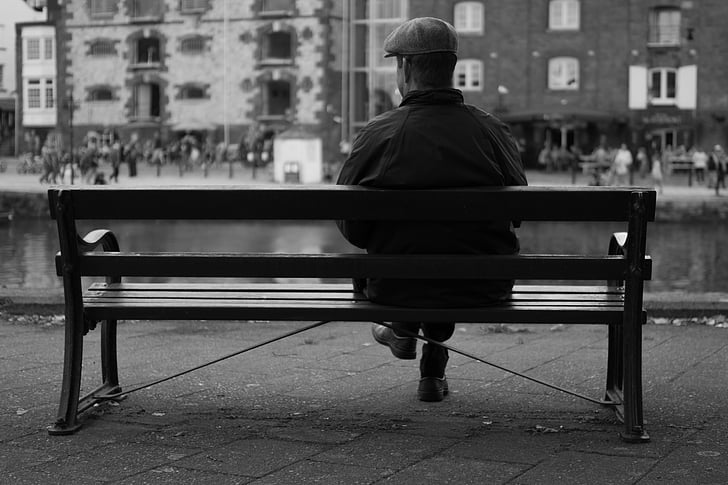
Few human experiences are as universally frustrating as waiting. Whether standing in a queue, sitting in a doctor’s office, or watching a progress bar crawl forward, time seems to stretch far beyond its objective measure. Minutes feel like hours, and impatience quickly replaces calm. Yet research consistently shows that our perception of waiting rarely aligns with clock time. The discrepancy lies not in the minutes themselves, but in how the human mind experiences them.
The Psychology of Time Perception
Time is not experienced directly. Instead, the brain constructs a sense of duration based on attention, emotion, and expectation. When people are engaged, time appears to pass quickly; when attention is focused on the passage of time itself, it slows dramatically.
Waiting forces awareness onto time. With no meaningful task to absorb attention, the mind repeatedly checks how long it has been waiting, amplifying the sense of delay. This mental monitoring creates the illusion that time itself has slowed, even though it continues at a constant pace.
Uncertainty Makes Waiting Worse
One of the most powerful factors that lengthens perceived waiting time is uncertainty. When people do not know how long they will be waiting or what will happen next, anxiety fills the gap. The brain treats uncertainty as a potential threat, heightening vigilance and discomfort.
By contrast, waits with clear endpoints — such as a visible countdown or a precise appointment time — feel shorter, even when they are objectively longer. Knowing when waiting will end allows the mind to relax and stop constantly measuring the passing minutes.
Emotion and the Weight of Time
Emotional state has a direct impact on how time is felt. Negative emotions such as boredom, frustration, or irritation slow perceived time, while positive or absorbing emotions speed it up. Waiting often combines boredom with mild stress, a particularly potent combination for distorting time perception.
The emotional “weight” of waiting also matters. Waiting for something important, such as medical results or a job interview, tends to feel longer than waiting for something trivial. The higher the emotional stakes, the more attention the brain devotes to the passage of time.
The Role of Attention and Distraction
Attention functions like a spotlight. When it shines on time, waiting feels long; when it shines elsewhere, time seems to disappear. This explains why distractions — magazines, music, phones, or conversation — are so effective at reducing the pain of waiting.
People often underestimate how strongly attention shapes time perception. Two waits of equal length can feel drastically different depending on whether the mind is occupied or idle.
Common elements that make waiting feel longer include:
- Lack of stimulation or meaningful activity
- Repeatedly checking the time
- Physical discomfort or environmental stress
Expectations and the Violation Effect
Waiting feels especially long when it exceeds expectations. If someone expects a five-minute wait and ends up waiting ten minutes, the experience feels disproportionately frustrating. Conversely, a wait that ends sooner than expected can feel surprisingly short and even pleasant.
This “violation effect” explains why missed deadlines, delayed flights, and slow service provoke such strong reactions. The frustration comes not only from the wait itself, but from the broken expectation of how long the wait should have been.
Social and Environmental Influences
The environment in which waiting occurs subtly shapes how time is perceived. Bright lighting, noise, crowding, and lack of seating all increase discomfort and heighten awareness of time. Conversely, calm, aesthetically pleasing environments can make waiting feel shorter without changing its actual duration.
Social context matters as well. Waiting alone often feels longer than waiting with others. Conversation and shared experience divide attention, reducing the mental focus on time and easing impatience.
Why the Brain Misjudges Waiting
From an evolutionary perspective, heightened sensitivity to waiting and uncertainty once served a purpose. Being alert during periods of inactivity helped early humans detect danger. In modern life, however, this same mechanism works against us, making harmless delays feel disproportionately stressful.
The brain is not designed to measure time accurately; it is designed to prioritize survival, emotion, and meaning. Waiting, devoid of immediate purpose, conflicts with these priorities, resulting in distorted time perception.
Rethinking the Experience of Waiting
Understanding why waiting feels longer than it actually is offers practical insight for everyday life and for institutions that manage queues and services. Transparency, clear expectations, and thoughtful distractions can dramatically improve how waiting is experienced, even when total wait time remains unchanged.
Ultimately, waiting is less about minutes ticking by and more about what the mind does in their absence. When attention, emotion, and expectation align against us, time stretches. When they are gently redirected, waiting shrinks — reminding us that time, as we experience it, is as psychological as it is physical.
7 years in the field, from local radio to digital newsrooms. Loves chasing the stories that matter to everyday Aussies – whether it’s climate, cost of living or the next big thing in tech.