


Australia is one of the world’s most distinctive wildlife destinations. Isolated for millions of years, the continent evolved species found nowhere else — from kangaroos and koalas to marine life thriving along vast coral systems. For travelers, wildlife encounters in Australia are not limited to zoos or guided safaris; many of the country’s most iconic animals can be seen in natural habitats with careful planning and respect for conservation rules.
From tropical wetlands to temperate coastlines, Australia offers diverse ecosystems that support extraordinary biodiversity.
Kangaroo Island, South Australia: Wildlife in One Destination
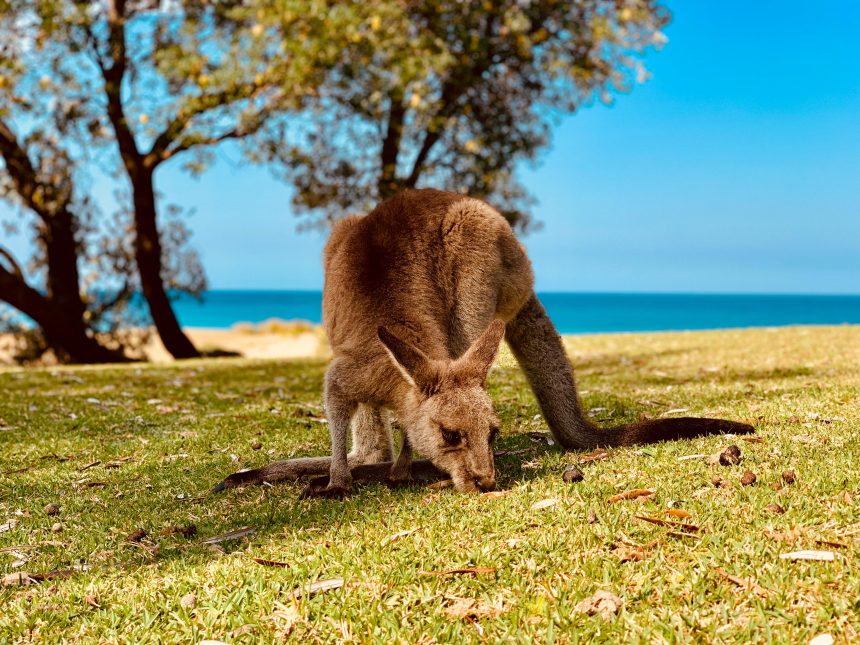
Kangaroo Island is often described as a condensed version of Australia’s wildlife. Located off the coast of South Australia, the island provides habitat for kangaroos, koalas, echidnas, sea lions, and diverse bird species.
Large areas of protected land allow animals to roam freely, and sightings are common even along roadways at dawn and dusk. Seal Bay Conservation Park offers close observation of Australian sea lions in their natural environment under regulated conditions.
For travelers seeking variety without traveling across multiple states, Kangaroo Island delivers concentrated biodiversity.
Kakadu National Park, Northern Territory: Wetland and Crocodile Country
Kakadu National Park is one of Australia’s largest and most ecologically complex national parks. Its wetlands, floodplains, and escarpments support saltwater crocodiles, wallabies, wild buffalo, and hundreds of bird species.
Boat cruises along the Yellow Water Billabong provide safe and reliable wildlife viewing, particularly for crocodiles and migratory birds. Beyond fauna, the park’s Indigenous rock art sites add cultural context to the landscape, making wildlife viewing part of a broader environmental narrative.
Kakadu is best visited during the dry season, when access roads are open and animals concentrate around water sources.
Great Barrier Reef, Queensland: Marine Biodiversity at Scale
Great Barrier Reef is the world’s largest coral reef system and one of the most significant marine ecosystems on the planet. Snorkeling and diving reveal coral formations, reef fish, sea turtles, rays, and occasionally reef sharks.
Responsible tour operators follow strict environmental guidelines, ensuring minimal impact on fragile coral systems. For travelers unable to dive, glass-bottom boat tours offer accessible alternatives.
The reef’s biodiversity makes it one of Australia’s most globally recognized wildlife experiences.
Phillip Island, Victoria: Penguin Encounters
Phillip Island is internationally known for its nightly Penguin Parade, where little penguins return from the sea to their burrows at sunset. Managed viewing platforms allow visitors to observe this natural behavior without disturbing the colony.
Beyond penguins, the island also supports seals, wallabies, and migratory seabirds. Its proximity to Melbourne makes it one of the most accessible wildlife experiences in southeastern Australia.
Daintree Rainforest, Queensland: Ancient Ecosystems
Daintree Rainforest is one of the oldest tropical rainforests in the world. Its dense canopy shelters cassowaries, tree kangaroos, reptiles, and a vast range of insects and birds.
Guided walks increase the likelihood of sightings and provide ecological context. The rainforest’s age and isolation make it a critical habitat for species found nowhere else.
For those interested in biodiversity beyond iconic mammals, Daintree offers depth and complexity.
Tasmania: Temperate Wilderness and Unique Species
Tasmania stands apart for its cooler climate and preserved wilderness areas. The island state is home to Tasmanian devils, wombats, and diverse marine life along its rugged coastlines.
National parks such as Cradle Mountain-Lake St Clair provide opportunities to encounter wildlife while hiking. Tasmania’s relative isolation has helped protect species that have declined on the mainland.
Best Wildlife Experiences by Habitat
Australia’s diversity means wildlife experiences vary dramatically by region. Travelers often choose destinations based on preferred environments:
- Coastal and marine ecosystems for turtles, whales, and reef life
- Inland and bushland areas for marsupials and reptiles
This geographic range allows multiple wildlife encounters within a single itinerary.
Responsible Wildlife Viewing
Wildlife tourism in Australia is guided by strong conservation principles. Visitors are encouraged to observe animals at a distance, avoid feeding, and follow park regulations. Many protected areas operate under strict guidelines designed to balance tourism with ecological preservation.
The most rewarding wildlife experiences often come from patience rather than pursuit — observing natural behavior without interference.
A Continent Defined by Biodiversity
Australia’s wildlife is not confined to remote safaris; it is embedded in landscapes accessible to travelers willing to explore responsibly. From coral reefs to rainforest canopies and windswept islands, the country offers encounters shaped by millions of years of isolation and adaptation.
7 years in the field, from local radio to digital newsrooms. Loves chasing the stories that matter to everyday Aussies – whether it’s climate, cost of living or the next big thing in tech.