




Albanese Offers Qualified Apology Over Controversial Remark
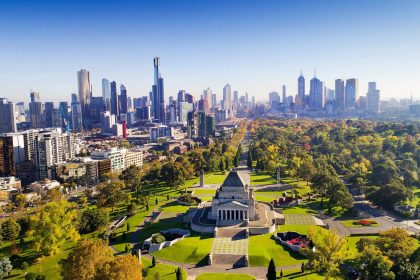
Australia’s Prime Minister Anthony Albanese has issued an apology after describing Grace Tame — a prominent child sexual abuse survivor and advocate — as “difficult” during a public event this week. The remark, made during a rapid-fire word association exercise at the Future Victoria Summit in Melbourne, drew swift criticism from political figures, advocates and members of the public, prompting the prime minister to clarify and apologise for his choice of words.
Albanese said he had intended to refer to the challenges Tame has faced in her life rather than comment on her character, and expressed regret “if there was any misinterpretation of my words.” He added that Tame had turned personal hardship into advocacy that had helped others — a contribution he said was worthy of recognition.
Who Is Grace Tame and Why the Reaction?
Grace Tame, 31, came to national prominence as Australian of the Year in 2021 for her work empowering survivors of child sexual abuse and pushing for legal reforms that allowed survivors to speak publicly about their experiences. Her advocacy has placed her at the forefront of discussions on sexual abuse, trauma and institutional responses in Australia.
However, her outspoken style and recent participation in political demonstrations have made her a polarising figure in some circles. Tame’s work has touched on broader issues of gender, justice and societal treatment of survivors, making her a key voice in Australian debates on these topics.
Public and Political Backlash Intensifies
The PM’s description of Tame as “difficult” was widely criticised as dismissive and insensitive, particularly given her history and advocacy. Tame herself rejected the apology on social media, calling it “a patronising cop-out from a total coward” and arguing that the term carried negative connotations often applied to outspoken women.
Greens leader Larissa Waters condemned the remark as unnecessary, stating on X (formerly Twitter) that “labelling women as difficult won’t silence us” and suggesting more empowering terms such as “unbreakable” or “fierce.” Other commentators also highlighted the broader issue of how women leaders and advocates are perceived when they challenge established power structures.
The controversy has spilled into political debate, with some opposition figures using the incident to question the prime minister’s messaging and sensitivity on gender issues, while others say the episode underscores persistent problems in how women in public life are talked about and treated.
Albanese’s Clarification and Wider Context
In his subsequent remarks to reporters following the backlash, Albanese reiterated that his choice of the word “difficult” was meant to reflect the hardships Tame has endured and her resilience, rather than a comment on her personality or advocacy. He also acknowledged disagreements he has had with Tame on other issues, including her comments at political rallies, highlighting the challenge of summarising complex individuals in a single word.
Senior government sources said the prime minister recognised the strength of feeling around the remark and was keen to address it promptly to avoid detracting from broader policy and social issues his government is tackling.
Implications for Political Discourse and Survivor Advocacy
The incident has reignited discussions in Australia about how language is used by political leaders, particularly when referring to individuals with lived experience of trauma and advocacy roles. Commentators have noted that the backlash taps into deeper sensitivities about gendered language and respect for survivors of abuse, and about the expectations held for politicians when engaging with advocacy figures.
Several legal and community groups specialising in survivors’ support called for more thoughtful dialogue around sexual abuse issues, emphasising that casual or off-hand commentary from national leaders can have real impacts on public perception and survivor wellbeing. Advocacy groups reiterated the need for leadership that “uplifts and honours survivor voices” rather than inadvertently diminishing them.
Looking Ahead: Political and Social Repercussions
As the debate continues, political analysts suggest the episode could have lingering effects on Albanese’s relationship with feminist and survivor advocacy communities, especially given Tame’s prominence and influence. Some have framed the backlash as part of a broader conversation about accountability, cultural perceptions of assertive women, and the role of language in shaping public discourse.
For her part, Tame has embraced the criticism as indicative of her role in challenging power dynamics, describing the “difficult” label as a misunderstood but defensible reflection of her refusal to comply with traditional expectations of deference. As debate over the remark unfolds, it has become a flashpoint for larger national discussions on gender, politics and respect for survivors of sexual violence.
7 years in the field, from local radio to digital newsrooms. Loves chasing the stories that matter to everyday Aussies – whether it’s climate, cost of living or the next big thing in tech.