




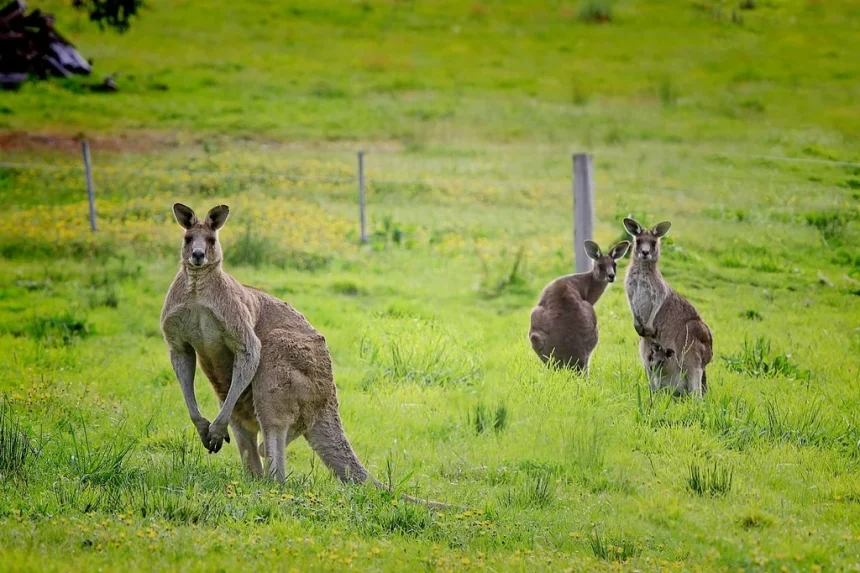
Australia is renowned for its extraordinary wildlife, much of which cannot be found anywhere else on Earth. From iconic marsupials such as kangaroos and koalas to rare marine life and colorful bird species, the country’s diverse ecosystems provide unparalleled opportunities for wildlife observation.
Across the continent, national parks, marine reserves, and remote islands protect habitats that support thousands of native species. For travelers interested in nature and biodiversity, Australia offers countless destinations where animals can be observed in their natural environments. Below are some of the best places to see wildlife across the country.
Kangaroo Island, South Australia
Located off the coast of South Australia, Kangaroo Island is widely considered one of the country’s premier wildlife destinations. Often referred to as a “natural zoo without fences,” the island supports a remarkable concentration of native animals.
Visitors can observe kangaroos, wallabies, koalas, echidnas, and a wide range of bird species across the island’s diverse landscapes. The island’s protected reserves, including Flinders Chase National Park, are home to dramatic coastal cliffs and important seal colonies.
At Seal Bay Conservation Park, travelers can walk along the beach among Australian sea lions under the supervision of experienced guides, offering a rare opportunity to observe these animals up close in the wild.
Phillip Island, Victoria
Just a short distance from Melbourne, Phillip Island is internationally famous for its nightly penguin parade. Each evening, hundreds of little penguins return from the ocean and waddle across the beach to their burrows.
The spectacle takes place at the Phillip Island Penguin Parade, one of Australia’s most beloved wildlife experiences.
Beyond penguins, the island also supports colonies of fur seals, coastal birdlife, and native marsupials. Scenic walking trails along the island’s cliffs provide excellent opportunities for wildlife photography and nature observation.
Daintree Rainforest, Queensland
One of the oldest tropical rainforests in the world, the Daintree Rainforest is a biodiversity hotspot located in tropical North Queensland. The rainforest forms part of the Wet Tropics of Queensland, recognized for its ecological significance.
The region is home to extraordinary species including cassowaries, tree kangaroos, and a wide variety of reptiles and amphibians. Guided walks and river cruises along the Daintree River allow visitors to spot saltwater crocodiles and numerous bird species.
Where the rainforest meets the sea near Cape Tribulation, travelers can experience the unique intersection of two UNESCO World Heritage environments: the rainforest and the Great Barrier Reef.
Kakadu National Park, Northern Territory
Spanning nearly 20,000 square kilometers, Kakadu National Park is Australia’s largest national park and one of its most important wildlife habitats.
Located within the Northern Territory, the park features wetlands, floodplains, rivers, and sandstone escarpments that support an extraordinary variety of wildlife.
Visitors frequently encounter saltwater crocodiles, wallabies, dingoes, and hundreds of bird species. During the wet season, vast wetlands attract thousands of migratory birds, making Kakadu a paradise for birdwatchers.
Boat cruises through the park’s waterways provide particularly rewarding opportunities to observe wildlife in its natural environment.
Great Barrier Reef, Queensland
Australia’s wildlife is not limited to land-based species. The Great Barrier Reef is the world’s largest coral reef system and one of the most diverse marine ecosystems on the planet.
Stretching along the coast of Queensland, the reef supports thousands of marine species including sea turtles, reef sharks, dolphins, and vibrant coral fish.
Snorkeling and diving excursions departing from coastal cities such as Cairns and Port Douglas allow visitors to explore coral gardens and observe marine life up close.
The reef’s ecological importance has led to extensive conservation efforts aimed at protecting this fragile environment.
Tasmania’s Wilderness Areas
The island state of Tasmania offers some of the country’s most pristine wilderness and unique wildlife species.
Many animals found here are endemic to the island, including the famous Tasmanian Devil. Visitors can also encounter wombats, pademelons, and a variety of birdlife across the island’s national parks.
Areas such as Cradle Mountain-Lake St Clair National Park provide excellent opportunities for wildlife sightings, particularly during dawn and dusk when many animals are most active.
Tasmania’s cool climate and protected landscapes make it an ideal destination for nature enthusiasts.
Why Australia Is a Global Wildlife Destination
Australia’s wildlife experiences stand out for several reasons:
- A high percentage of species found nowhere else in the world
- Large protected national parks and marine reserves
- Opportunities to observe animals in their natural habitats
- Strong conservation programs supporting endangered species
These factors make Australia one of the most rewarding destinations for wildlife tourism.
Tips for Responsible Wildlife Viewing
Observing animals in the wild is an unforgettable experience, but it should always be done responsibly.
Visitors should remember to:
- Maintain a safe distance from animals
- Avoid feeding or disturbing wildlife
- Follow guidelines provided by park rangers and guides
- Respect protected habitats and conservation rules
Responsible tourism helps protect fragile ecosystems and ensures wildlife can continue to thrive.
Australia’s remarkable biodiversity reflects millions of years of geographic isolation and ecological evolution. From the tropical rainforests of Queensland to the rugged landscapes of Tasmania and the coral ecosystems of the Great Barrier Reef, the country offers extraordinary opportunities to witness wildlife in its natural habitat.
For travelers seeking unforgettable encounters with nature, Australia remains one of the world’s most extraordinary destinations for wildlife exploration.
7 years in the field, from local radio to digital newsrooms. Loves chasing the stories that matter to everyday Aussies – whether it’s climate, cost of living or the next big thing in tech.