


Often perceived primarily as Australia’s political center, Canberra is equally defined by its open space. Designed as a garden city, Canberra integrates bushland, lakes, and nature reserves directly into its urban layout. The result is a capital where outdoor recreation is not an escape from the city — it is part of daily life.
For visitors and residents alike, Canberra’s parks and outdoor activities offer accessibility, variety, and a level of tranquility uncommon in major cities.
Lake Burley Griffin: The City’s Outdoor Heart
At the center of Canberra’s outdoor culture lies Lake Burley Griffin. Encircled by walking and cycling paths, the lake functions as both recreational space and visual anchor.
Kayaking, paddleboarding, and sailing are common during warmer months, while joggers and cyclists use the flat, scenic loops year-round. Picnic areas and shaded lawns encourage unstructured time outdoors, particularly on weekends.
The lake’s integration with cultural landmarks — including national institutions and parliamentary buildings — creates a rare combination of civic architecture and natural calm.
Australian National Botanic Gardens: Native Landscapes
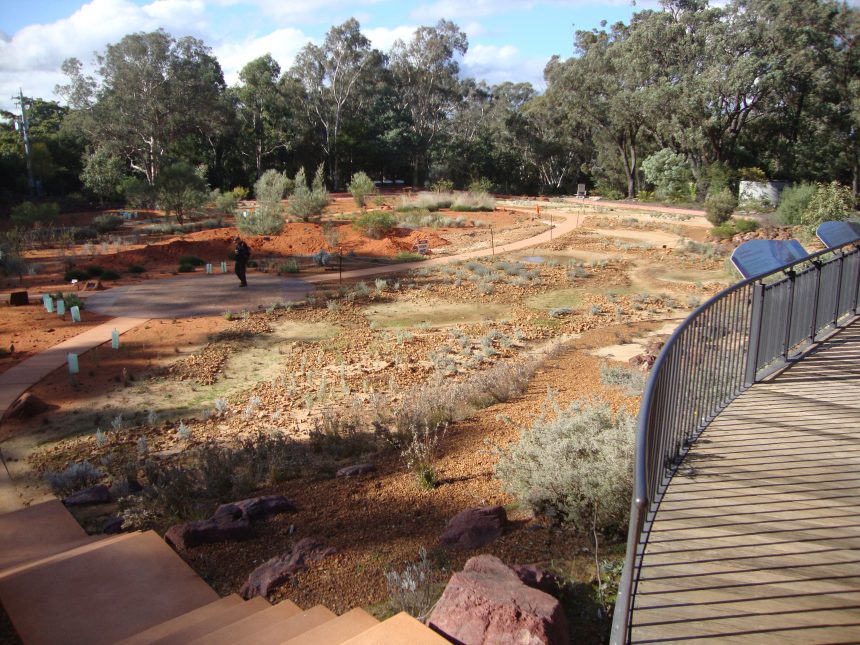
The Australian National Botanic Gardens offers a curated introduction to Australia’s native plant life. Unlike ornamental gardens focused on symmetry, this space emphasizes ecological authenticity.
Walking trails wind through eucalyptus forests, rainforest gullies, and arid-zone plantings. Informational signage adds educational depth, while shaded paths make it accessible even during warmer seasons.
For visitors seeking quiet reflection within walking distance of the city center, the gardens provide both biodiversity and serenity.
Mount Ainslie: Panoramic Perspective
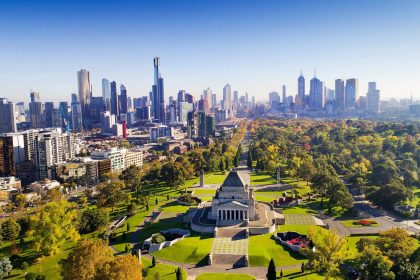
Rising behind the Australian War Memorial, Mount Ainslie offers one of the most iconic views in Canberra. The summit lookout aligns directly with Anzac Parade and Parliament House, illustrating the city’s deliberate design.
Hiking trails to the top are moderately challenging but short, making them suitable for most fitness levels. Sunrise and sunset visits are particularly popular, as the light enhances both the landscape and architectural symmetry.
Mount Ainslie exemplifies how Canberra combines urban planning with natural elevation.
Tidbinbilla Nature Reserve: Wildlife and Wilderness
Located on the outskirts of the city, Tidbinbilla Nature Reserve provides a more immersive bushland experience. The reserve is known for its walking tracks, wetlands, and opportunities to observe kangaroos, emus, and occasionally koalas in natural habitat.
Marked trails range from easy strolls to more demanding hikes, allowing flexibility for families and experienced walkers alike. Interpretive centers add context, making the reserve suitable for educational visits as well as recreation.
Namadgi National Park: High Country Exploration
For travelers seeking deeper wilderness, Namadgi National Park covers nearly half of the Australian Capital Territory. The park features rugged mountains, Aboriginal rock art sites, and expansive bushland.
Hiking options vary from short heritage trails to multi-day backcountry routes. The park’s relative quietness compared to other Australian national parks makes it particularly appealing for solitude.
Namadgi highlights Canberra’s proximity to genuine alpine and subalpine environments.
Commonwealth Park and Floriade
Commonwealth Park, situated along Lake Burley Griffin, is a central venue for outdoor events. It is best known for hosting Floriade, Australia’s largest flower festival, which transforms the park into a seasonal display of color.
Even outside festival periods, the park’s lawns and shaded areas provide accessible green space for relaxation and informal gatherings.
Popular Outdoor Activities in Canberra
Canberra’s layout encourages year-round outdoor engagement. Among the most popular activities are:
- Cycling along dedicated lake and suburban paths
- Bushwalking in surrounding nature reserves
The city’s extensive trail networks make these activities practical rather than occasional.
Why Canberra Excels as an Outdoor City
Canberra’s outdoor appeal lies in integration. Parks are not peripheral; they are central to the city’s structure. Green corridors connect neighborhoods, and national institutions are framed by open landscapes rather than dense development.
The absence of heavy congestion enhances the experience. Outdoor activities feel accessible, not logistically complicated.
A Capital Defined by Space
While Canberra’s museums and political institutions attract attention, its parks and natural reserves define daily life. The city’s design encourages movement, reflection, and engagement with landscape.
For travelers seeking balance between cultural exploration and outdoor activity, Canberra offers a rare combination: a capital city where stepping outside feels less like escape and more like continuation.
7 years in the field, from local radio to digital newsrooms. Loves chasing the stories that matter to everyday Aussies – whether it’s climate, cost of living or the next big thing in tech.