



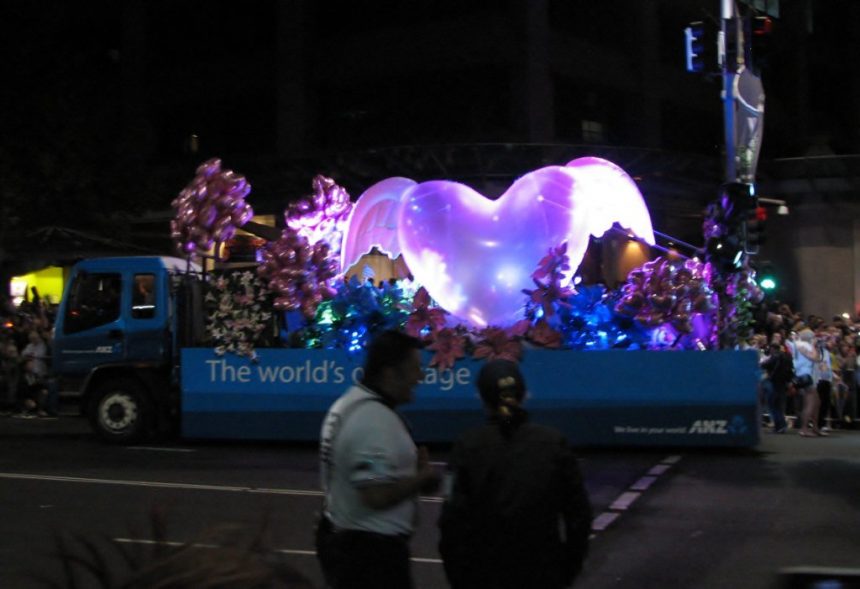
The 2026 Sydney Gay and Lesbian Mardi Gras parade, held on 28 February 2026 through the heart of Sydney’s CBD, was one of the most anticipated cultural events of the year. As the flagship celebration of the annual Mardi Gras festival — a tradition that began in 1978 as a protest for LGBTQIA+ rights — the 48th parade brought together tens of thousands of marchers and spectators in a vibrant expression of pride, diversity and political engagement.
Against a backdrop of heightened security, community debate and logistical changes, the 2026 Mardi Gras parade encapsulated both the joy of public celebration and the complex social conversations shaping contemporary Australia.
“Ecstatica”: Theme and Significance of the 2026 Parade
The 2026 parade was presented under the theme “Ecstatica” — a concept organisers described as embodying collective joy, community connection and the freedom to be one’s authentic self. With more than 200 floats and approximately 12,000 marchers participating, the procession set off from Oxford Street in Darlinghurst, moved through Flinders Street, and concluded near Anzac Parade in Surry Hills — routes that are deeply rooted in the Mardi Gras tradition and recognised on the National Heritage List for their cultural significance.
Parade entries included community organisations, advocacy groups, arts collectives, emergency services and corporate participants, reflecting how Mardi Gras has evolved from a grassroots protest to a broad civic event while maintaining its activist roots.
Massive Crowds and Community Atmosphere
Despite earlier heavy rain in Sydney, weather conditions were favorable for the evening parade, which drew hundreds of thousands of spectators to witness the spectacle of colour, costumes and choreography. Reports from the event estimated that up to 300,000 people lined the street routes, cheering and celebrating as floats and performers paraded past.
Many attendees described the atmosphere as both affirming and electrifying, with families, allies and visitors from across Australia and overseas joining local LGBTQIA+ communities in marking a night of visibility and pride. Organisers emphasised that Mardi Gras remains a space where people can feel seen, supported and connected.
Security, Public Safety and Policing
High-visibility policing was a notable presence at the 2026 parade, organised in coordination with parade officials to ensure public safety. Officers from various units, including public order and highway patrol commands, were deployed along the route and surrounding precincts. Police praised the conduct of crowds, stating that the vast majority of participants and spectators contributed to a peaceful and well-managed event.
Authorities also worked with transport operators to manage the large influx of people, extending public transport service hours and coordinating crowd movement before and after the event.
Controversy and Exclusions
The 2026 parade was not without its points of contention. In the final hours before the march, organisers excluded the activist collective Pride in Protest from participating after determining that the group’s recent social media commentary contravened the event’s code of conduct. Mardi Gras leadership said that language deemed offensive or harmful to other participating groups could not be condoned.
The issue centered on posts by Pride in Protest regarding another LGBTQIA+ organisation, Dayenu, which had drawn criticism and safety concerns. The decision prompted debate within and beyond the LGBTQIA+ community about free speech, safety, inclusion and the boundaries of acceptable protest within Mardi Gras itself. Some critics described the move as censorship, while others supported organisers’ emphasis on respect and community cohesion.
Cultural Legacy and Ongoing Relevance
More than four decades after its inception, the Sydney Gay and Lesbian Mardi Gras parade continues to hold deep cultural and historical importance. From its early role in advocating for decriminalisation of homosexuality and visibility for queer Australians, the event has grown into one of the Southern Hemisphere’s largest pride celebrations.
The inclusion of many community groups — from long-standing activist organisations to newer affinity networks — demonstrates how Mardi Gras remains both a celebration and a forum for social discourse. The parade’s National Heritage List status underscores how the physical route, community memory and cultural significance are now recognised as part of Australia’s broader historical tapestry.
Broader Festival and Future Outlook
The parade marked the culmination of a multi-week festival that encompassed debates, performances, parties, exhibitions, community events and cultural programming across Sydney. While some traditional elements, such as the large post-parade party, were scaled back this year due to financial and sponsorship challenges, alternative celebrations and community gatherings continued to offer spaces for connection and celebration.
Looking ahead, the Sydney Mardi Gras festival — anchored by this parade — is expected to maintain its dual character as both an expression of pride and a venue for political and social engagement, fostering community resilience and visibility for LGBTQIA+ Australians and their allies.
7 years in the field, from local radio to digital newsrooms. Loves chasing the stories that matter to everyday Aussies – whether it’s climate, cost of living or the next big thing in tech.